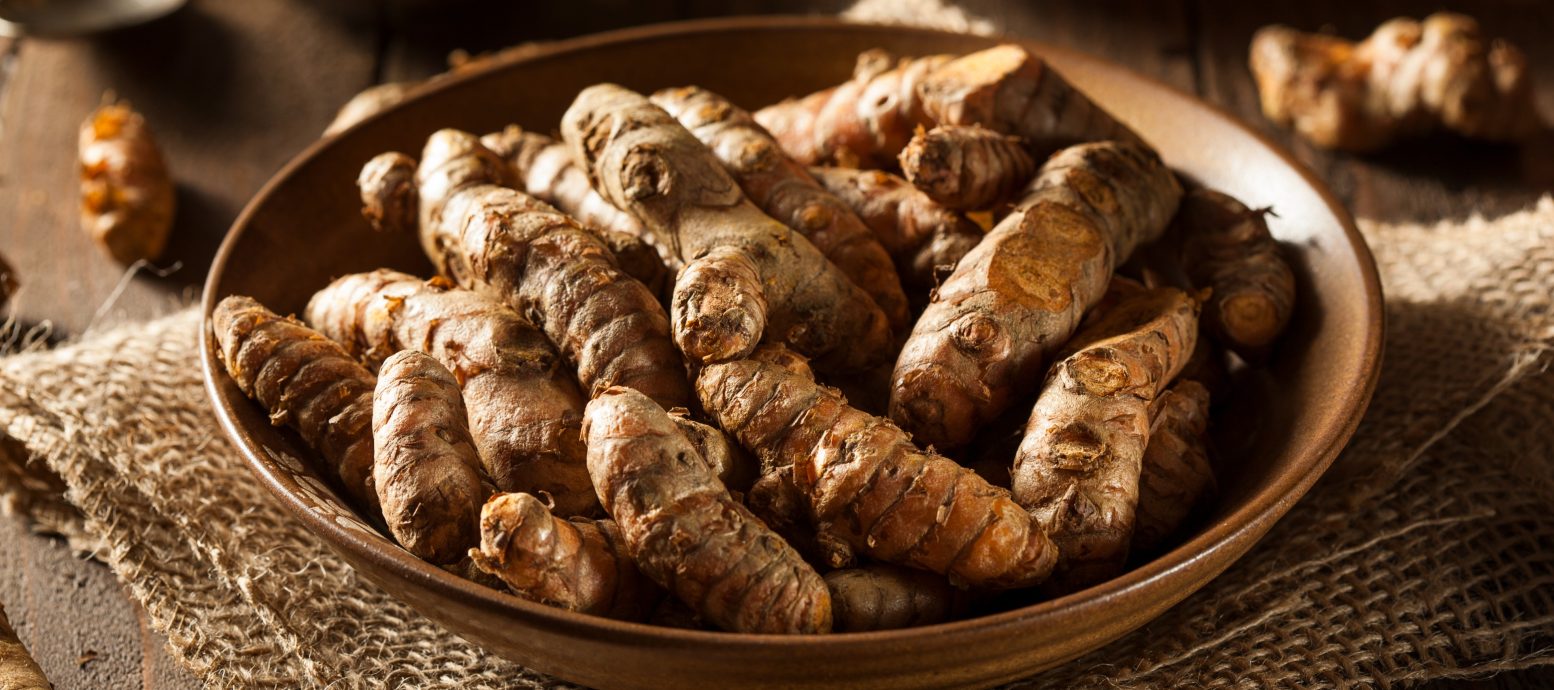
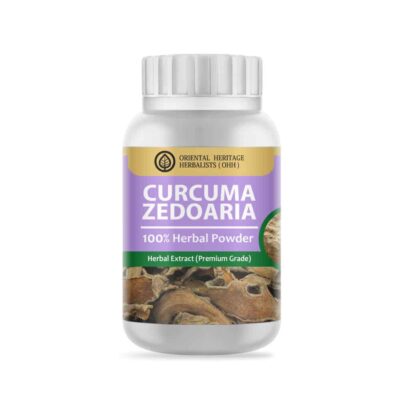
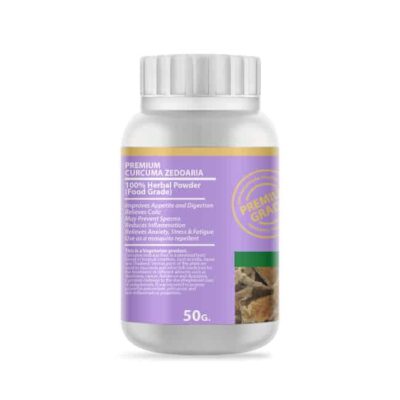
Curcuma zedoaria, commonly known as White Turmeric or Zedoary, is a fragrant rhizome belonging to the ginger family (Zingiberaceae). Traditionally found across India and Southeast Asia, including Thailand, this botanical has long been used in Ayurvedic, Unani, and Thai folk practices.
Today, the extract from Curcuma zedoaria is gaining renewed interest across the cosmetic, nutraceutical, and functional food sectors due to its aromatic properties, natural bioactive compounds, and versatile industrial applications.
What Is Curcuma Zedoaria?
While similar to yellow turmeric, Curcuma zedoaria has a distinct white interior, a warm camphor-like aroma, and a unique chemical profile. The rhizome contains several bioactive constituents such as:
- Curcuminoids
- Essential oils (curzerenone, furanodiene, curdione)
- Terpenoids
- Phenolic compounds
These compounds contribute to its antioxidant and aromatic properties, making it valuable for multiple industries.
Key Benefits of Curcuma Zedoaria
1. Rich Natural Antioxidant Source
Extracts of Curcuma zedoaria contain phenolic compounds that help neutralize oxidative stress. This antioxidant potential makes it beneficial as an active ingredient in anti-aging, skin-soothing, and pollution-protection cosmetics.
2. Supports General Wellness in Supplements
In nutraceutical formulations, white turmeric is used for:
- overall vitality support
- digestive comfort (traditional use)
- antioxidant supplementation
- general wellness blends
Its essential oils and curcuminoid-like compounds are valued for supporting the body’s natural balance.
3. Aromatic and Functional Ingredient in Food & Beverages
In many Asian cuisines, Curcuma zedoaria is used as:
- a natural flavoring
- a pickled condiment
- a botanical infusion ingredient
Its mild bitterness and ginger-like aroma bring depth to health beverages, herbal teas, and tonics.
4. Natural Active for Cosmetic Formulations
Due to its bioactive compounds, Curcuma zedoaria is used in cosmetics for:
- skin-soothing creams
- brightening formulas
- anti-pollution and antioxidant products
- herbal cleansers and toners
The essential oil also serves as a natural fragrance ingredient.
Industrial Applications
Cosmetic Industry
Its extract is increasingly valued for:
- Anti-oxidation
- Natural fragrance
- Skin-conditioning properties
- Use in herbal and botanical beauty formulations
Common product types:
- facial serums
- herbal soaps
- body lotions
- skin repair creams
- natural deodorants
Supplement and Nutraceutical Industry
Standardized its extract is applied in:
- traditional herbal supplements
- digestive-support formulas
- antioxidant capsules
- vitality tonics
- liquid herbal extracts
Manufacturers often blend zedoary with other roots for synergistic wellness applications.
Food & Beverage Industry
The rhizome and extract are used as:
- natural flavor agents
- herbal tea ingredients
- fermented beverages
- functional drink additives
It also fits perfectly in clean-label products due to its traditional food use.
Why Industries Choose Curcuma Zedoaria Today
With growing demand for botanical, natural, and traditional ingredients, white turmeric offers:
- Sustainable sourcing across Southeast Asia
- A long history of safe traditional use
- A unique aromatic profile
- Versatility across multiple product categories
- Compatibility with modern extraction technologies (water, ethanol, CO₂)
Conclusion
Curcuma zedoaria is a powerful heritage botanical making its way into modern formulations. Whether in cosmetics, supplements, or natural foods, its antioxidant activity, aromatic compounds, and traditional roots make it a valuable ingredient for brands seeking authentic, plant-based innovation.
References
- Cheng, S.S., et al. “Chemical Composition and Antioxidant Activity of Curcuma zedoaria Essential Oils.” Journal of Agricultural and Food Chemistry, 2004.
- Singh, G., et al. “Chemical constituents and antimicrobial activity of Zedoary (Curcuma zedoaria Roscoe) essential oil.” Journal of Essential Oil Research, 2002.
- Amalraj, A., et al. “Biological Activities of Curcuma Species: A Review.” Journal of Traditional and Complementary Medicine, 2017.
- Rahman, M. M., et al. “Traditional Uses of Zedoary and Its Phytochemical Profile.” Asian Pacific Journal of Tropical Biomedicine, 2014.
Explore our website to learn more: Click Here
Related Products
Related Post
Enkleia thorelii: Beyond Male Vitality, Nature’s Hidden Wellness Treasure
Curcuma zedoaria, commonly known as White Turmeric or Zedoary, is a fragrant.
- 15 October 2025
- 0 Comments
The Power of Antioxidants in Thai Herbs: Nature’s Secret to
Curcuma zedoaria, commonly known as White Turmeric or Zedoary, is a fragrant.
- 10 October 2025
- 0 Comments
Turmeric and Its Role in the Cosmetics & Beauty Industry
Curcuma zedoaria, commonly known as White Turmeric or Zedoary, is a fragrant.

- 9 September 2025
- 0 Comments
Tongkat Ali in the Cosmetics Industry: A New Era of
Curcuma zedoaria, commonly known as White Turmeric or Zedoary, is a fragrant.
- 28 August 2025
- 0 Comments
How to Use Butea Superba for Men’s Vitality
Curcuma zedoaria, commonly known as White Turmeric or Zedoary, is a fragrant.
- 25 August 2025
- 0 Comments


