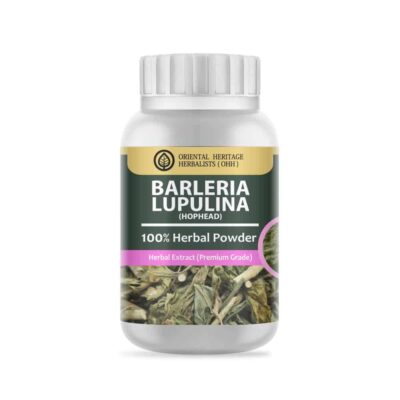
As consumers move away from harsh synthetic chemicals in oral-care products, brands are exploring botanical alternatives that provide both functionality and clean-label appeal. Among emerging plant-based ingredients, Barleria lupulina is gaining attention for its potential role in gum comfort, oral hygiene support, and botanical oral-care innovation. Traditionally used in Southeast Asia, it is now being re-evaluated for modern formulations targeting gum health and oral wellness.
Why Botanical Ingredients Are Rising in Oral Care
Today’s oral-care market is shifting toward:
- Alcohol-free mouthwashes
- Herbal toothpastes
- Natural breath-support sprays
- Clean-label oral gels
Consumers increasingly associate botanical ingredients with gentleness, safety, and long-term compatibility. As a result, formulators seek herbs that support oral hygiene without disrupting the delicate balance of the oral microbiome. Barleria lupulina fits this direction due to its traditional use in preparations aimed at maintaining oral comfort.
Botanical Profile of Barleria lupulina
Barleria lupulina is a flowering plant native to tropical regions of Asia. Its leaves and stems contain various phytochemicals, including flavonoids and phenolic compounds, which contribute to its functional profile.
From a formulation standpoint, it offers:
- Antioxidant-rich composition
- Compatibility with water-based extracts
- Suitability for combination herbal systems
These characteristics make it adaptable for both cosmetic and wellness-oriented oral products.
Applications in Gum and Oral Health Formulas
1. Supporting Gum Comfort
Gum health plays a central role in overall oral wellness. Modern gum-care formulations aim to support:
- Healthy gum appearance
- Oral tissue comfort
- Balanced microbial environment
Barleria lupulina integrates well into these systems as a supportive botanical, especially in herbal toothpaste and mouthwash blends.
2. Botanical Mouthwash Formulations
Alcohol-based rinses can cause dryness and irritation. Herbal mouthwashes, by contrast, emphasize balance and comfort.
Barleria lupulina works effectively in:
- Alcohol-free mouth rinses
- Herbal oral sprays
- Post-meal oral refresh products
Its mild sensory profile allows it to blend easily with mint, clove, or citrus essential oils.
3. Toothpaste and Oral Gel Applications
In toothpaste and oral gels, botanical extracts must remain stable and compatible with surfactants and humectants.
Its extracts can be incorporated into:
- Herbal whitening toothpaste
- Gum-support toothpaste formulas
- Sensitive oral-care products
Its antioxidant properties support overall formulation stability while aligning with natural product positioning.
Formulation Considerations for Manufacturers
When incorporating Barleria lupulina into oral-care products, formulators should consider:
- Extraction type: Aqueous or hydroalcoholic extracts for optimal compatibility
- Concentration levels: Balancing efficacy with taste neutrality
- Synergistic herbs: Pairing with clove, licorice root, or Centella asiatica
- Stability testing: Ensuring performance across pH ranges typical in oral-care systems
Careful development ensures a pleasant sensory experience while maintaining botanical integrity.
Market Trends Supporting Barleria lupulina
Several industry trends favor botanical ingredients like Barleria lupulina:
- Growth of herbal and Ayurvedic-inspired oral-care brands
- Increased consumer awareness of gum health importance
- Demand for multi-functional plant-based ingredients
- Expansion of clean-label oral hygiene categories
These dynamics create opportunities for manufacturers to innovate beyond conventional synthetic actives.
Conclusion
Barleria lupulina represents a promising botanical ingredient for the evolving oral-care market. With its traditional background and compatibility in modern formulations, it supports the development of gum-friendly, plant-based oral products. As oral care continues to move toward gentle, natural, and holistic solutions. This herb offers brands a valuable opportunity to differentiate their products while meeting growing consumer demand for botanical integrity.
Explore our website to learn more: Click Here
Related Products
Related Post
Lesser-Known Cinnamon Species in Metabolic Formulas: Beyond Ceylon and Cassia
As consumers move away from harsh synthetic chemicals in oral-care products, brands.
- 17 February 2026
- 0 Comments
Caesalpinia sappan in Blood and Antioxidant Formulas: A Botanical Ingredient
As consumers move away from harsh synthetic chemicals in oral-care products, brands.
- 16 February 2026
- 0 Comments
Boesenbergia rotunda in Digestive and Enzyme Blends: A Functional Botanical
As consumers move away from harsh synthetic chemicals in oral-care products, brands.
- 13 February 2026
- 0 Comments
Betula alnoides in Circulatory and Warming Formulas: A Botanical Strategy
As consumers move away from harsh synthetic chemicals in oral-care products, brands.

- 12 February 2026
- 0 Comments
Angelica sinensis Beyond Women’s Health: Expanding Applications in Modern Herbal
As consumers move away from harsh synthetic chemicals in oral-care products, brands.
- 9 February 2026
- 0 Comments


