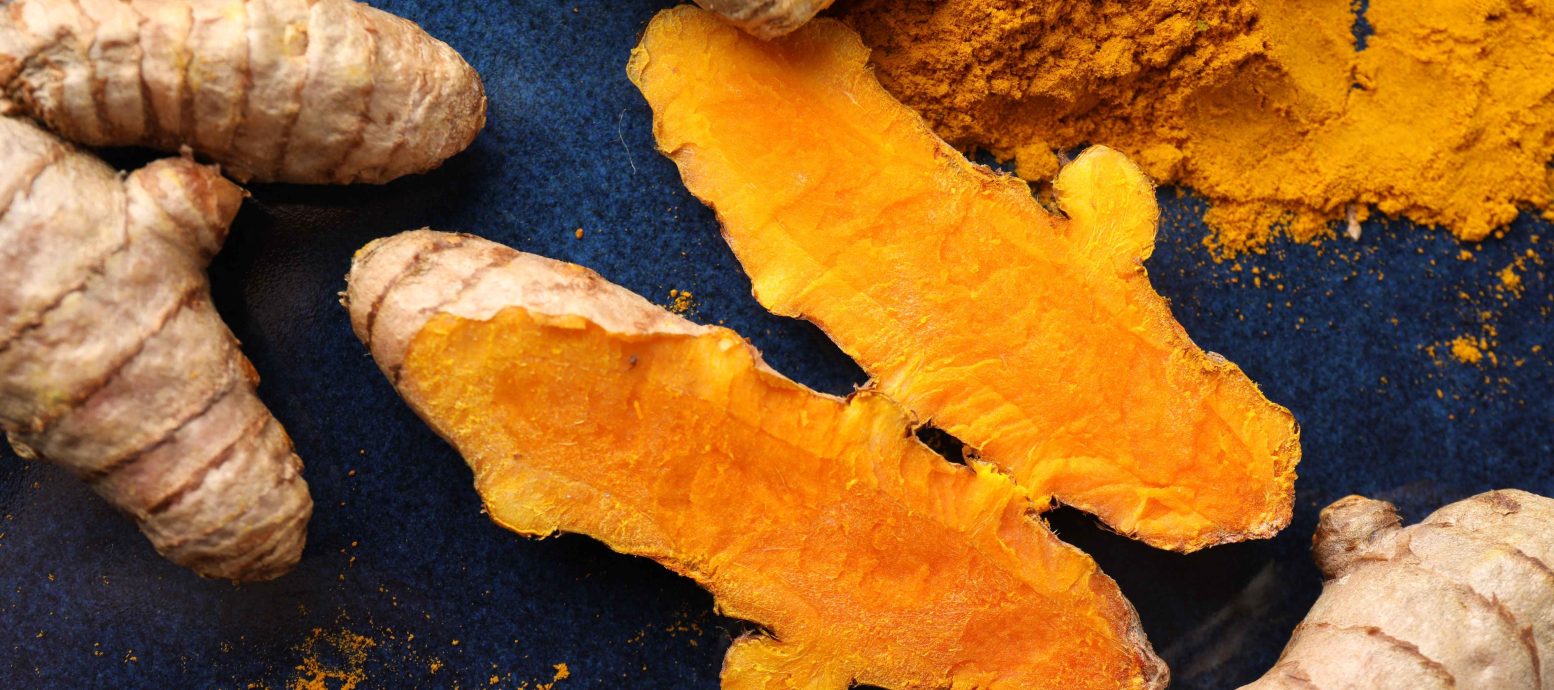
Turmeric (Curcuma longa) continues to be one of the most commercially significant botanicals in the global wellness, supplement, and functional food industries. As consumer demand grows for plant-based products that support everyday health, turmeric extracts are increasingly used across capsules, beverages, nutrition bars, gummies, and fortified foods. However, not all turmeric extracts are the same. Selecting the right extract depends on formulation goals, processing requirements, target markets, and product positioning. This guide explores the key considerations for choosing turmeric extract suitable for both dietary supplements and functional food applications.
Turmeric’s Transition from Traditional Spice to Functional Ingredient
Traditionally used in Asian herbal systems and cuisine, turmeric has evolved into a high-value functional ingredient. Modern extraction and standardization technologies allow manufacturers to concentrate naturally occurring compounds and develop turmeric ingredients with consistent quality, color, and performance.
This transformation enables turmeric to move beyond culinary use into:
- Daily wellness supplements
- Immune and metabolic support products
- Functional beverages and powders
- Beauty-from-within formulations
- Fortified foods and snacks
As applications expand, so do the types of turmeric extracts available.
Common Types of Turmeric Extracts
1. Whole turmeric extracts
These extracts preserve a broad range of turmeric’s naturally occurring compounds. They are often used when brands seek a “full-spectrum” or traditional positioning.
Common applications:
Functional foods, herbal drinks, general wellness supplements, culinary-nutrition blends.
2. Standardized turmeric extracts
Standardized extracts offer consistent levels of naturally occurring curcuminoids. These are widely used in supplement manufacturing due to batch-to-batch uniformity.
Common applications:
Capsules, tablets, stick packs, immune and lifestyle formulations.
3. Water-dispersible and functional-grade extracts
These extracts are processed for better solubility, improved dispersion, or flavor compatibility. They are particularly valuable in beverage systems and food matrices.
Common applications:
Ready-to-drink beverages, functional shots, nutrition bars, dairy alternatives, gummies.
Key Factors When Choosing a Turmeric Extract
Extraction method
The extraction process influences compound profile, solubility, taste, and stability. Manufacturers typically evaluate whether the extract is produced using water, alcohol, or combined extraction systems, depending on the desired application.
Standardization and quality consistency
For supplements, standardized extracts are preferred to ensure formulation reliability and regulatory compliance. Functional food developers may prioritize color stability, sensory compatibility, and dispersion performance.
Formulation compatibility
Turmeric extracts behave differently depending on product format.
- Capsules and tablets require flowability and stability
- Beverages need dispersibility and sediment resistance
- Nutrition bars demand heat and processing tolerance
- Gummies require pH and flavor compatibility
Selecting the correct extract form reduces reformulation challenges later in product development.
Sensory impact
Turmeric’s natural bitterness and strong aroma can influence final product taste. Many functional food manufacturers select deodorized or specially processed extracts to support consumer acceptance.
Regulatory and documentation support
Ingredient suppliers increasingly provide certificates of analysis, origin traceability, and quality documentation to support global market access.
Turmeric in Supplement Formulation
In dietary supplements, turmeric extracts are used in:
- Daily wellness capsules
- Joint and mobility formulas
- Beauty-from-within blends
- Immune-support combinations
- Metabolic and lifestyle products
Here, extract consistency, microbiological quality, and long-term stability are major priorities. Suppliers offering scalable production and technical formulation support are often favored.
Turmeric in Functional Foods and Beverages
Functional food applications demand different technical considerations. Turmeric extracts for foods must withstand:
- Thermal processing
- pH variation
- Mechanical shear
- Extended shelf life
Common functional food uses include:
- Turmeric lattes and beverage concentrates
- Fortified juices and herbal drinks
- Protein powders and wellness blends
- Snack bars and confectionery
- Dairy and plant-based functional foods
In these products, dispersibility, color control, and flavor integration are critical selection factors.
Sustainability and Supply Chain Considerations
As turmeric demand rises, responsible sourcing has become a competitive advantage. Ethical suppliers emphasize:
- Controlled agricultural cultivation
- Soil and biodiversity management
- Traceable harvest systems
- Post-harvest quality control
Sustainable supply chains help brands maintain ingredient consistency while aligning with global environmental standards.
Aligning Extract Choice with Brand Positioning
Choosing a turmeric extract is not purely technical. It is also strategic.
- Premium wellness brands may emphasize extract standardization and traceability
- Functional food brands may focus on sensory performance and process stability
- Traditional herbal brands may prioritize whole-plant extracts
- Sports and lifestyle brands may seek formulation versatility
Matching extract selection with brand values improves long-term product coherence.
Conclusion
Turmeric’s versatility makes it a cornerstone ingredient in both supplement and functional food innovation. However, successful product development depends on selecting the right turmeric extract for the intended application.
By evaluating extraction methods, standardization, formulation compatibility, sensory impact, and supply chain integrity, manufacturers can develop turmeric-based products that meet both technical requirements and evolving consumer expectations.
As functional nutrition continues to expand, turmeric remains one of the most adaptable and strategically valuable botanical ingredients available.
Explore our website to learn more: Click Here
Related Products
Related Post
Ginkgo biloba in Brain-Health Supplements: What Buyers Should Look For
Turmeric (Curcuma longa) continues to be one of the most commercially significant.
- 23 January 2026
- 0 Comments
Garcinia atroviridis as a Natural Acidulant and Slimming Ingredient for
Turmeric (Curcuma longa) continues to be one of the most commercially significant.
- 21 January 2026
- 0 Comments
Momordica charantia: A Plant for Metabolic and Wellness Support
Turmeric (Curcuma longa) continues to be one of the most commercially significant.
- 7 January 2026
- 0 Comments
Senna siamea: A Traditional Medicinal Plant with Wellness Potential
Turmeric (Curcuma longa) continues to be one of the most commercially significant.
- 6 January 2026
- 0 Comments
Psidium guajava: A Versatile Tropical Plant for Modern Wellness
Turmeric (Curcuma longa) continues to be one of the most commercially significant.
- 23 December 2025
- 0 Comments


