



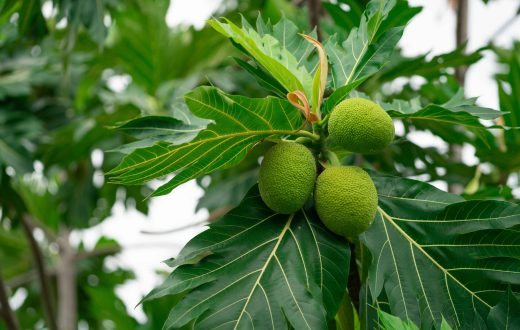
The Piper genus includes more than 1,000 plant species, many of which play vital roles in traditional medicine, culinary traditions, and modern herbal industries. Among them, Piper nigrum, Piper longum, Piper ribesioides, and Piper sarmentosum stand out for their unique properties and applications.
Although they belong to the same botanical family, each species offers distinct phytochemical profiles and benefits. This article compares these four Piper species to help formulators, herbalists, and consumers choose the right plant for their needs.
Overview of the Piper Genus
- Family: Piperaceae
- Common characteristics: aromatic compounds, pungent flavor, bioactive alkaloids
- Primary uses: culinary spice, digestive support, circulation enhancement, antioxidant activity
1. Piper nigrum (Black Pepper)
Key Characteristics
- Common name: Black pepper
- Plant part used: Dried fruit (peppercorn)
- Main active compound: Piperine
Traditional & Modern Uses
Piper nigrum is one of the most widely used spices in the world. In traditional medicine, people use it to support digestion, stimulate metabolism, and enhance nutrient absorption.
Key Benefits
- Improves bioavailability of nutrients
- Supports digestion and metabolism
- Provides antioxidant protection
- Enhances circulation
Main Applications
- Food and seasoning
- Dietary supplements (bioenhancer)
- Herbal formulations
- Functional beverages
2. Piper longum (Long Pepper)
Key Characteristics
- Common name: Long pepper
- Plant part used: Fruit spikes
- Main active compounds: Piperine, piperlongumine
Traditional & Modern Uses
Ayurvedic and traditional Asian practitioners use Piper longum to support respiratory health, digestion, and vitality. It is considered warming and rejuvenating.
Key Benefits
- Supports respiratory and lung health
- Enhances digestive function
- Exhibits anti-inflammatory activity
- Promotes overall vitality
Main Applications
- Herbal supplements
- Traditional tonics
- Respiratory wellness formulas
3. Piper ribesioides (Wild Pepper)
Key Characteristics
- Common name: Wild pepper
- Plant part used: Leaves and fruits
- Traditional region: Thailand and Southeast Asia
Traditional & Modern Uses
Local Thai herbalists use Piper ribesioides for circulation support, muscle comfort, and digestive wellness. It appears frequently in traditional post-partum and vitality formulas.
Key Benefits
- Supports blood circulation
- Relieves muscle tension
- Provides antioxidant activity
- Supports digestive health
Main Applications
- Traditional Thai herbal formulas
- Herbal extracts
- Topical wellness products
4. Piper sarmentosum (Wild Betel Leaf)
Key Characteristics
- Common names: Wild betel leaf, Cha-Plu (Thailand)
- Plant part used: Leaves
- Flavor profile: Mildly peppery and aromatic
Traditional & Modern Uses
Piper sarmentosum serves both culinary and medicinal roles. People consume the leaves fresh or cooked to support digestion and reduce inflammation.
Key Benefits
- Anti-inflammatory properties
- Antioxidant support
- Digestive comfort
- Skin-soothing potential
Main Applications
- Culinary dishes
- Herbal teas
- Skincare and cosmetic extracts
- Digestive supplements
Side-by-Side Comparison Table
| Species | Main Use | Key Compounds | Primary Industry |
|---|---|---|---|
| Piper nigrum | Bioavailability, digestion | Piperine | Food, supplements |
| Piper longum | Respiratory & vitality | Piperine, piperlongumine | Supplements |
| Piper ribesioides | Circulation & muscle comfort | Phenolics, alkaloids | Traditional herbal |
| Piper sarmentosum | Digestive & anti-inflammatory | Flavonoids, polyphenols | Food, cosmetics |
Which Piper Species Is Right for Your Application?
- Choose Piper nigrum for bioavailability enhancement and metabolic support.
- Choose Piper longum for respiratory health and warming herbal formulations.
- Choose Piper ribesioides for traditional circulation and muscle comfort blends.
- Choose Piper sarmentosum for gentle digestive support and skin-friendly formulations.
Each species brings unique functional value despite belonging to the same botanical family.
Conclusion
The diversity within the Piper genus demonstrates how closely related plants can deliver very different benefits. Understanding the distinctions between Piper nigrum, Piper longum, Piper ribesioides, and Piper sarmentosum allows formulators and consumers to select the most effective ingredient for food, supplement, or cosmetic applications.
As demand for traditional Asian herbs and functional botanicals continues to grow, these Piper species remain essential natural resources bridging culinary heritage and modern wellness.
Explore our website to learn more: Click Here
Related Products
Related Post
Houttuynia cordata: A Versatile Medicinal Herb from Traditional Wisdom to
The Piper genus includes more than 1,000 plant species, many of which.

- 15 December 2025
- 0 Comments
Ficus foveolata Extract: Boost Circulation & Natural Wellness Ingredient
The Piper genus includes more than 1,000 plant species, many of which.
- 12 December 2025
- 0 Comments
Rheum officinale Baill (Chinese Rhubarb): A Historic Medicinal Root for
The Piper genus includes more than 1,000 plant species, many of which.
- 11 December 2025
- 0 Comments
Dracaena conferta: The Tropical Plant With Remarkable Traditional Uses
The Piper genus includes more than 1,000 plant species, many of which.
- 8 December 2025
- 0 Comments
Areca catechu: A Traditional Palm with Modern Applications
The Piper genus includes more than 1,000 plant species, many of which.
- 3 December 2025
- 0 Comments


