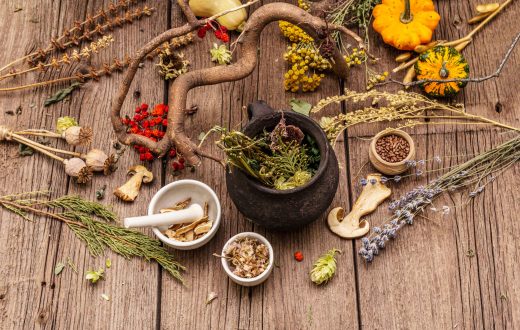
Hesperethusa crenulata is a lesser-known medicinal plant native to Southeast Asia, where local communities have long valued it in traditional herbal practices. While it remains relatively under-studied compared to more commercial herbs, growing interest in indigenous botanicals has brought renewed attention to this plant for its potential health-supporting properties.
Botanical Overview
- Scientific name: Hesperethusa crenulata
- Family: Rutaceae
- Plant type: Small tree or shrub
- Native regions: Southeast Asia
The plant is characterized by its aromatic leaves and woody structure, traits common within the Rutaceae family, which also includes citrus species.
Traditional Uses
Traditional healers have used Hesperethusa crenulata in herbal preparations to support general wellness. In some regional practices, people prepared decoctions from its bark or leaves for use in tonic formulas.
Although practices vary by region, the plant has traditionally been associated with:
- digestive comfort
- general vitality
- post-illness recovery
Phytochemical Profile
Preliminary phytochemical studies suggest that Hesperethusa crenulata contains:
- alkaloids
- flavonoids
- phenolic compounds
- aromatic constituents
These compounds may contribute to its antioxidant and protective properties, although further scientific research is still needed.
Potential Health Benefits
1. Antioxidant Support
Like many Rutaceae plants, Hesperethusa crenulata may help neutralize oxidative stress, supporting cellular health and overall wellness.
2. Digestive Wellness
Traditional use highlights its role in supporting digestive comfort, particularly when used as part of herbal blends.
3. General Vitality
In folk medicine, people often include this plant in tonics intended to restore strength and balance after physical fatigue or illness.
Applications in Modern Herbal Industries
Dietary Supplements
Herbal extract manufacturers are beginning to explore Hesperethusa crenulata as an ingredient in:
- traditional herbal capsules
- botanical blends
- wellness tonics
Natural Wellness Products
Its aromatic properties make it a candidate for use in:
- traditional herbal preparations
- natural wellness formulations
Safety and Quality Considerations
Due to limited modern clinical data, manufacturers typically use Hesperethusa crenulata in moderate amounts and often combine it with other well-studied herbs. Proper identification, controlled sourcing, and standardized extraction are essential for product safety and consistency.
Sustainability and Conservation
As interest in traditional medicinal plants grows, sustainable harvesting practices are critical. Responsible cultivation and conservation help protect native ecosystems while ensuring long-term availability of this valuable botanical.
Conclusion
Hesperethusa crenulata represents an important part of Southeast Asia’s herbal heritage. While scientific research remains limited, its traditional use, phytochemical richness, and growing interest in indigenous botanicals suggest promising potential in modern herbal and wellness applications.
As the natural health industry continues to seek unique and culturally rooted ingredients, Hesperethusa crenulata stands out as a plant worth further exploration.
Explore our website to learn more: Click Here