



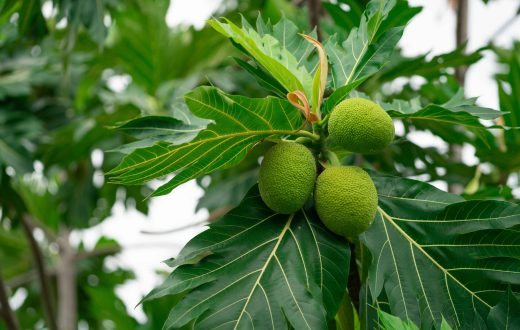
Dracaena conferta, a member of the Dracaenaceae family, is a tropical evergreen plant found primarily in Southeast Asia. Though not as well-known as some other medicinal herbs, this plant has long history in traditional communities for its healing and protective properties. Its striking appearance and cultural relevance make it an intriguing botanical worth exploring.
What Is Dracaena conferta?
Dracaena conferta grows as a shrub or small tree with long, narrow leaves arranged in a rosette pattern. It thrives in humid, forested environments, often found in regions with rich biodiversity. Like other Dracaena species, it is hardy, adaptable, and capable of thriving with minimal care.
In many Southeast Asian traditions, Dracaena species have been used in rituals, natural remedies, and household practices.
Traditional Uses and Cultural Significance
Communities often utilize parts of the plant for:
1. Wound and Skin Care
Traditional healers have used the leaves and roots of Dracaena plants for cleaning wounds and supporting natural skin healing. The plant’s phytochemical content is believed to help reduce inflammation and protect irritated areas.
2. General Tonic in Herbal Remedies
In some folk practices, the plant is infused into tonics believed to strengthen the body, improve vitality, and promote overall well-being.
3. Natural Antimicrobial Applications
Extracts from the Dracaena family show potential antimicrobial activity. Though scientific studies are still emerging, traditional use commonly includes applying the plant to help manage minor infections and support hygiene.
4. Cultural Rituals and Household Practices
In various cultures, Dracaena plants symbolize protection. People often plant them near homes or use them in ceremonies to promote good luck and positive energy.
Potential Health Benefits
Because direct clinical studies on Dracaena conferta remain limited, researchers infer most of its known benefits from related species such as Dracaena cambodiana and Dracaena cochinchinensis, both of which produce “dragon’s blood” resin.
Potential benefits may include:
- Anti-inflammatory properties – Useful in traditional remedies for swelling and discomfort.
- Antioxidant activity – May help protect cells from oxidative stress.
- Antimicrobial potential – Some Dracaena species inhibit bacteria and fungi.
- Skin support
Modern Interest and Future Potential
As interest in natural wellness continues to grow globally, botanicals like Dracaena conferta are gaining more attention. Scientists are studying the phytochemicals of the Dracaena genus to uncover potential medicinal compounds. Growing environmental awareness increases interest in its sustainable cultivation and conservation.
How To Use it Today
In modern herbal markets, Dracaena conferta is still relatively rare. However, it may found in:
- Traditional herbal preparations
- Topical herbal formulations
- Natural wellness tonics
- Cultural products used in rituals or ceremonies
Explore our website to learn more: Click Here
Related Products
Related Post
Enkleia thorelii Is Gaining Attention in Southeast Asian Vitality Products
Dracaena conferta, a member of the Dracaenaceae family, is a tropical evergreen.
- 9 January 2026
- 0 Comments
From Farm to Formula: How Momordica charantia Is Used in
Dracaena conferta, a member of the Dracaenaceae family, is a tropical evergreen.
- 8 January 2026
- 0 Comments
Salacia chinensis: A Traditional Medicinal Plant for Metabolic Wellness
Dracaena conferta, a member of the Dracaenaceae family, is a tropical evergreen.
- 24 December 2025
- 0 Comments
Hesperethusa crenulata: A Traditional Herbal Plant with Emerging Wellness Potential
Dracaena conferta, a member of the Dracaenaceae family, is a tropical evergreen.
- 22 December 2025
- 0 Comments
Piper Species Comparison: Piper nigrum vs Piper longum vs Piper
Dracaena conferta, a member of the Dracaenaceae family, is a tropical evergreen.
- 19 December 2025
- 0 Comments


