For centuries, Angelica sinensis, widely known as Dong Quai, has been a treasured herb in Traditional Chinese Medicine (TCM), often called the “female ginseng” for its restorative effects on women’s health and vitality. Let’s explore Angelica sinensis benefits in the cosmetics and supplement industries.
Today, this versatile root is gaining global recognition not only as a powerful dietary supplement but also as a premium ingredient in cosmetic formulations. Its bioactive compounds help rejuvenate the skin, support hormonal balance, and restore overall wellness, making it a botanical bridge between ancient tradition and modern innovation.
What Is Angelica sinensis?
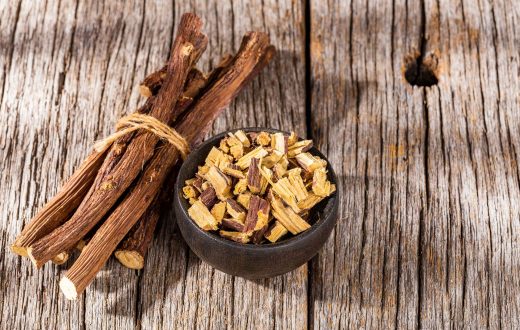
Angelica sinensis is a flowering plant native to China, belonging to the Apiaceae family, the same family as carrots and celery. The root is the most valuable part and contains rich phytochemicals that provide various health and beauty benefits:
- Ferulic Acid – A potent antioxidant that protects skin from environmental damage and promotes elasticity.
- Ligustilide – Known for its anti-inflammatory and muscle-relaxing properties.
- Polysaccharides – Help retain moisture, support immune function, and improve hydration.
- Essential Oils – Contribute to soothing and balancing effects.
With this impressive phytochemical profile, Angelica sinensis has become a trusted ingredient for both cosmetic scientists and nutraceutical developers.
Benefits of Angelica sinensis in the Cosmetics Industry
1. Anti-Aging and Skin Rejuvenation
One of the most valued cosmetic benefits of Angelica sinensis is its anti-aging power. The root extract is packed with antioxidants like ferulic acid, which helps neutralize free radicals, the main cause of premature aging.
It reduces fine lines, wrinkles, and sagging, while enhancing collagen synthesis for firmer, younger-looking skin.
2. Natural Skin Brightening
Dong Quai stimulates microcirculation, improving oxygen and nutrient delivery to skin cells. This helps reduce dullness and uneven tone, giving the complexion a natural radiance. It’s often found in brightening serums and herbal whitening creams that aim for healthy luminosity rather than bleaching effects.
3. Hydration and Barrier Protection
Polysaccharides and essential oils in Angelica sinensis enhance skin moisture retention. These compounds strengthen the natural skin barrier and keep it supple, making the herb ideal for hydrating creams, facial masks, and soothing gels.
4. Calming and Anti-Inflammatory Effects
Thanks to ligustilide and other anti-inflammatory agents, this herb helps calm irritation, redness, and sensitivity. It is often used in formulas for sensitive or mature skin, providing both comfort and protection.
In Cosmetics Formulation
You’ll often find Angelica sinensis extract in:
- Rejuvenating and firming serums
- Whitening & brightening skincare lines
- Herbal facial masks and creams
- Anti-aging eye and neck treatments
- Soothing after-sun or sensitive skin products
Benefits of Angelica sinensis in the Supplements Industry
1. Supports Women’s Hormonal Balance
Traditionally, Dong Quai is used to regulate the menstrual cycle, relieve PMS and menopausal symptoms, and improve overall hormonal harmony. Its phytoestrogen-like compounds gently mimic estrogen in the body, helping balance hormone levels naturally.
2. Boosts Blood Circulation and Energy
In Traditional Chinese Medicine, Angelica sinensis is known as a blood tonic — it nourishes and invigorates the blood, improving oxygen delivery throughout the body. This effect helps reduce fatigue, dizziness, and cold hands or feet, promoting energy and vitality.
3. Antioxidant and Anti-Aging Benefits
Ferulic acid and other antioxidants help combat oxidative stress, slowing down cellular aging. This makes Angelica sinensis a key ingredient in anti-aging and vitality supplements.
4. Immune System and Stress Support
The polysaccharides in the root help strengthen immune defense and reduce inflammation, while its adaptogenic nature helps the body cope with mental and physical stress.
In Supplement Formulations
Angelica sinensis is commonly used in:
- Female balance formulas (with Pueraria mirifica, Ginseng, or Black Cohosh)
- Menstrual and menopausal support capsules
- Anti-fatigue and vitality blends
- Herbal multivitamin or wellness products
Scientific Insights and Research
Modern research has validated many of the traditional claims about Angelica sinensis. Studies highlight its:
- Antioxidant capacity – Protecting cells from oxidative stress.
- Anti-inflammatory effects – Reducing cytokine levels and improving skin resilience.
- Phytoestrogenic action – Helping manage menopausal symptoms and hormone fluctuations.
- Collagen-boosting potential – Improving dermal structure and elasticity.
This evidence supports the herb’s dual role in promoting external beauty and internal balance, making it a perfect natural solution for holistic self-care.
Sustainable and Ethical Sourcing
As global demand increases, sustainable farming and ethical sourcing of Angelica sinensis are crucial. High-quality extracts should come from farms that ensure:
- No use of harmful pesticides or chemicals
- Environmentally responsible cultivation
- Proper drying and extraction methods to retain active compounds
This ensures every product, from cream to capsule, delivers the full benefits nature intended.
How to Use Angelica sinensis
Topical Use (Cosmetics)
Look for skincare products containing Angelica sinensis extract, root oil, or fermented essence. Use them daily after cleansing and before moisturizing to nourish and protect your skin barrier.
Oral Use (Supplements)
For supplements, capsule or powder forms are most common. Follow product instructions carefully, and consult your healthcare provider if you are pregnant, nursing, or on medication.
FAQ: Angelica sinensis for Beauty and Health
Q1: Can men use Angelica sinensis products?
Yes! Although it’s known as “female ginseng,” men can also benefit from its antioxidant, circulatory, and anti-aging properties.
Q2: Is Angelica sinensis safe for long-term use?
Generally yes, when used in moderate amounts and under recommended guidelines. Always purchase from reputable brands with quality certifications.
Q3: How does Angelica sinensis compare with Ginseng or Pueraria mirifica?
While Ginseng boosts energy and Pueraria mirifica focuses on estrogenic beauty benefits, Angelica sinensis offers a balanced blend of hormonal support, blood health, and skin rejuvenation.
Q4: Can it be combined with other herbs?
Absolutely. It works synergistically with herbs like Ginseng, Goji Berry, and Pueraria mirifica in both beauty and health formulas.
Conclusion
Angelica sinensis continues to prove why it’s been called the “female ginseng” for generations, a natural powerhouse for both inner balance and outer beauty.
Its rich blend of antioxidants, phytoestrogens, and nutrients supports radiant skin, hormonal harmony, and overall vitality, making it a cornerstone ingredient in the modern cosmetics and supplements industry.
As consumers increasingly seek natural, science-backed, and sustainable solutions, Angelica sinensis stands at the perfect intersection of tradition and innovation, nurturing beauty from the inside out.
Explore our website to learn more: Click Here