
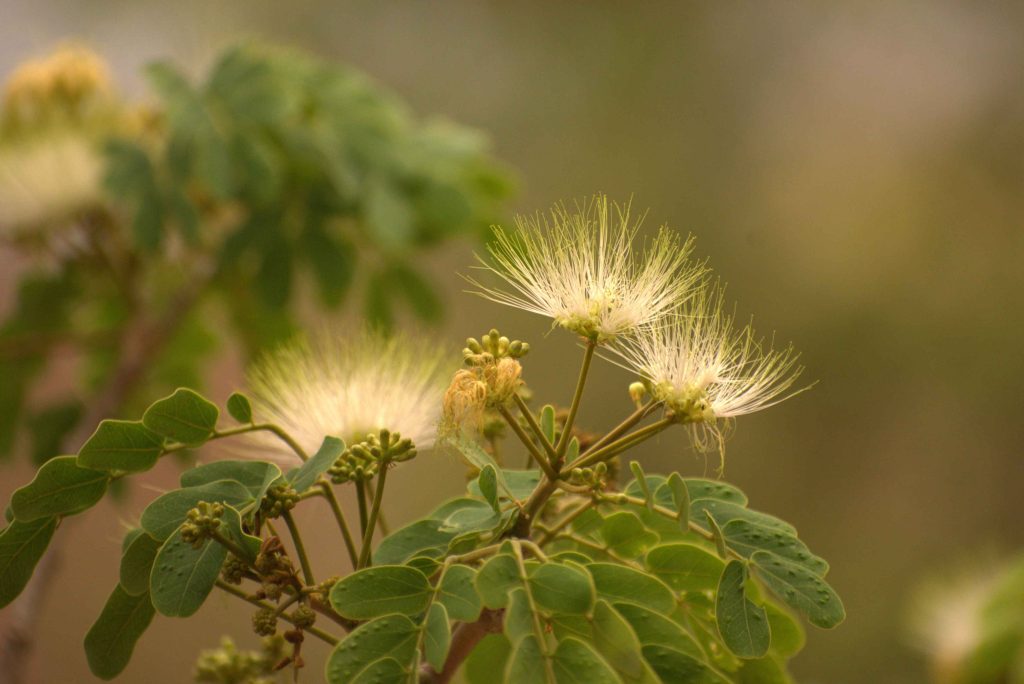
As populations age and active lifestyles remain a priority across all age groups, demand continues to rise for supplements that support bones, joints, and connective tissues. While minerals and collagen dominate this category, formulators are increasingly exploring botanical ingredients that complement structural support in a more holistic way. One such emerging botanical is Albizia procera, a fast-growing tree traditionally used in various Asian wellness practices. Though less commercially mainstream than other musculoskeletal herbs, Albizia procera is gaining attention for its potential role in structural integrity and tissue support within modern supplement design.
Understanding Structural Support in Supplement Design
Structural support supplements aim to maintain:
- Bone strength and density
- Joint mobility and comfort
- Connective-tissue resilience
- Musculoskeletal recovery
Botanicals used in this category often work indirectly by supporting inflammation balance, circulation, and tissue nourishment, rather than acting as structural materials themselves.
Albizia procera aligns with long-term musculoskeletal wellness.
Botanical Profile for Formulators
Albizia procera is in to the Fabaceae family. And it grows widely across South and Southeast Asia. Traditional uses of its bark and leaves have often focused on strengthening and restorative applications, particularly in formulations intended for physical resilience.
From a formulation standpoint, this herb offers:
- Naturally occurring polyphenols
- Plant-based saponins and flavonoids
- Compatibility with other joint-support botanicals
These characteristics support its inclusion in complex musculoskeletal formulas.
Role in Bone and Joint Support Formulations
1. Supporting Connective-Tissue Integrity
Structural support goes beyond bones alone. Tendons, ligaments, and cartilage require balanced nourishment and circulation. Albizia procera is often positioned as a supportive botanical that complements collagen-focused ingredients.
It works well alongside:
- Mineral complexes
- Amino acid blends
- Other botanical joint supporters
2. Gentle Support for Active and Aging Consumers
Unlike aggressive joint actives, Albizia procera aligns with formulations aimed at:
- Daily joint maintenance
- Active lifestyle support
- Age-related mobility care
This makes it suitable for long-term supplementation rather than short-cycle joint relief products.
3. Circulation and Tissue Nourishment
Healthy structural tissues depend on proper circulation to deliver nutrients and remove metabolic waste. Albizia procera has traditionally been used in formulations that emphasize tissue nourishment, which aligns with modern connective-tissue support strategies.
Formulation Synergies in Structural Support Products
Albizia procera performs best when integrated into multi-ingredient formulas, such as:
- Bone and joint complexes
- Mobility and flexibility supplements
- Physical resilience and recovery blends
Common synergistic partners include:
- Plant-based calcium sources
- Anti-oxidative botanicals
- Mild adaptogenic herbs
This allows formulators to build comprehensive structural support systems, rather than single-target products.
Dosage Forms and Product Formats
Albizia procera can be adapted to several supplement formats:
- Capsules for daily structural maintenance
- Powders in mobility blends
- Liquid extracts in combination formulas
Its neutral sensory profile supports easy integration without overpowering flavor challenges.
Market Drivers and Industry Interest
Several trends are encouraging renewed interest in Albizia procera:
- Rising demand for plant-based joint and bone supplements
- Increased focus on preventive musculoskeletal health
- Consumer preference for traditional botanicals with modern relevance
- Growth of holistic structural wellness positioning
These factors make it an appealing ingredient for brands seeking differentiation beyond mainstream joint actives.
Conclusion of Albizia procera
Albizia procera represents a promising botanical for structural support formulations that prioritize balance, long-term tissue health, and holistic musculoskeletal care. While not a replacement for minerals or proteins, it plays a valuable complementary role in modern bone and joint supplement design.
As the supplement industry continues to expand its approach to structural wellness, this herb stands out as a plant-based ingredient worthy of closer attention from formulators and product developers.
Explore our website to learn more: Click Here