
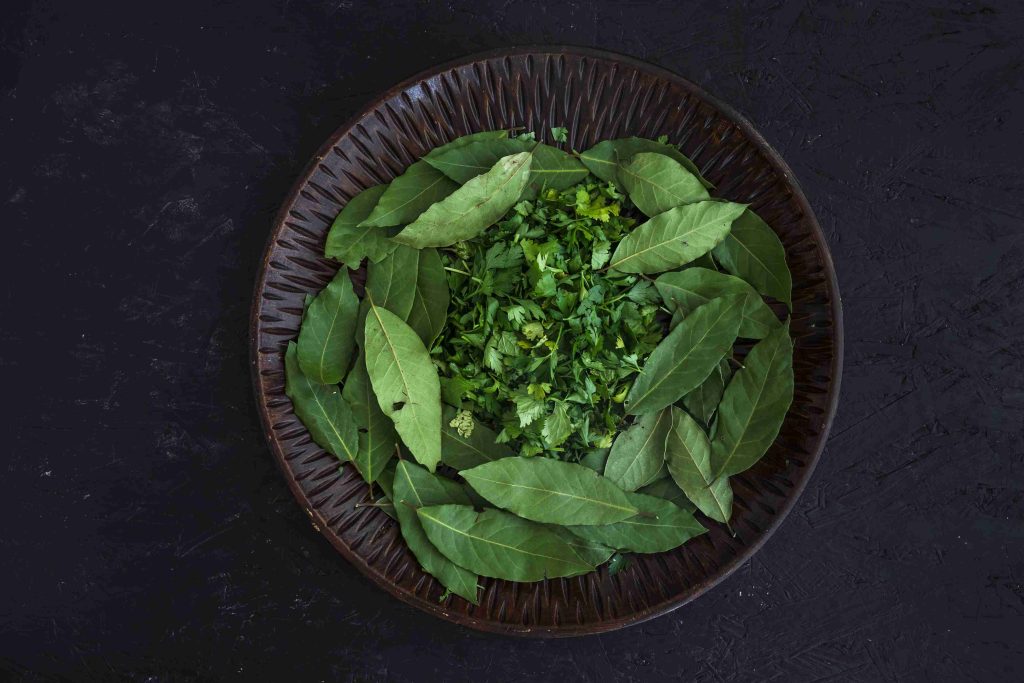
Tiliacora triandra is a climbing plant native to parts of Southeast Asia and is particularly familiar in Thai traditional food and herbal practices. In Thailand, it is commonly known as Yanang and is traditionally associated with preparations made from its leaves. The plant has attracted interest from modern herbal-product developers because of its traditional culinary and wellness heritage, as well as the presence of naturally occurring phytochemicals that contribute to its botanical profile.
For formulation purposes, Tiliacora triandra is particularly interesting when developing products inspired by Southeast Asian traditional herbal practices and botanical cooling concepts.
Yanang in Thai Traditional Herbal Practice
Yanang has been used traditionally in Thai communities as both a food ingredient and herbal plant. Its leaves are commonly incorporated into regional dishes and traditional preparations, giving the botanical an established cultural and culinary identity.
Traditional herbal systems may describe certain plants according to concepts such as cooling, balancing, or supporting normal body functions. These traditional classifications provide important context for understanding why Yanang continues to appear in contemporary botanical wellness concepts.
The value of Yanang extends beyond its phytochemical profile: its longstanding culinary and traditional heritage gives it a distinctive place in Thai botanical formulation concepts.
The Cooling Concept in Botanical Formulations
One of the most recognizable traditional associations of Tiliacora triandra is its “cooling” character. Within traditional Thai wellness concepts, cooling botanicals are used as part of formulations intended to complement dietary and lifestyle practices.
Modern product developers may draw upon this heritage when creating beverages, herbal powders, botanical extracts, and other products positioned around refreshing or cooling wellness experiences.
However, “cooling” is a traditional classification rather than a direct measurement of body temperature or evidence that an ingredient can treat a heat-related medical condition.
Tiliacora triandra and Liver-Supportive Formulation Concepts
The traditional use of Yanang has also contributed to interest in formulations positioned around general internal wellness and liver-supportive concepts. In modern product development, this positioning should be based on the intended regulatory category and supported by appropriate evidence for any specific claim.
A botanical ingredient with traditional liver-related use may be incorporated into a broader herbal formulation, but its presence alone does not establish that a finished product can prevent, treat, or cure liver disease.
Appropriate Formulation Positioning
- Traditional Thai herbal wellness.
- Cooling-inspired botanical formulations.
- Plant-based functional beverages.
- Herbal extract blends.
- General wellness products.
- Traditional liver-supportive concepts where permitted by applicable regulations.
Phytochemical Interest in Tiliacora triandra
Research interest in Tiliacora triandra extract has focused on various naturally occurring compounds within the plant. The chemical profile can include alkaloids, flavonoids, phenolic compounds, and other constituents depending on the plant part and extraction conditions.
The composition of a finished extract can vary according to botanical material, geographic origin, harvesting stage, drying, extraction solvent, processing, and storage. Therefore, the botanical name alone is not sufficient to define the chemical characteristics of an extract.
For manufacturers, establishing suitable specifications is important when consistent botanical ingredients are required across production batches.
Extraction Considerations for Yanang
Different extraction methods can produce different physical and chemical profiles. Water-based preparations reflect the traditional food and herbal use of Yanang, while modern manufacturing may employ other extraction approaches depending on the intended product format.
For commercial applications, manufacturers should evaluate extraction yield, marker compounds, colour, aroma, solubility, moisture, microbial quality, and stability according to the requirements of the finished product.
Tiliacora triandra in Functional Beverage Formulations
The traditional use of Yanang as a food ingredient makes it particularly relevant to functional beverage and botanical drink concepts. Extracts can be evaluated for use in beverages where the formulation emphasizes Southeast Asian botanical heritage and refreshing sensory characteristics.
However, beverage developers need to consider the extract’s colour, flavour, aroma, solubility, sedimentation, pH compatibility, and stability during processing and storage.
These technical characteristics can be just as important as the botanical story when developing a commercially viable product.
Quality Control for Tiliacora triandra Extract
Reliable botanical sourcing is essential for manufacturers working with Tiliacora triandra. Correct botanical identification helps prevent substitution or adulteration and provides the foundation for consistent production.
Depending on the application, manufacturers may establish specifications covering identity, moisture, microbial quality, heavy metals, pesticide residues, foreign matter, and selected phytochemical markers.
Key Quality Factors
- Botanical authentication.
- Defined plant part.
- Controlled cultivation or sourcing practices.
- Consistent drying and processing.
- Appropriate extraction parameters.
- Microbiological and contaminant controls.
- Batch-to-batch consistency.
- Suitable packaging and storage conditions.
From Traditional Plant to Modern Herbal Ingredient
The development of Yanang extract illustrates how traditional Southeast Asian plants can be adapted to contemporary ingredient systems. The strongest formulation approach respects the botanical’s traditional identity while applying modern standards for quality, traceability, and manufacturing consistency.
For export-oriented products, manufacturers should also consider the regulatory requirements of the destination market. A traditional use recognized in Thailand does not necessarily support the same product claim in another country.
Clear specifications and responsible product positioning allow Tiliacora triandra to be incorporated into modern botanical products without losing the cultural context that makes the ingredient distinctive.
Building Premium Tiliacora triandra Formulations
A premium formulation begins with a clearly defined ingredient specification. Manufacturers should determine the desired botanical form, extraction method, target phytochemical characteristics, dosage format, and quality requirements before production.
For products inspired by Thai traditional wellness, the botanical story can be supported by transparent sourcing and consistent manufacturing rather than relying solely on traditional terminology.
This combination of traditional heritage and modern quality control can help position Tiliacora triandra as a distinctive botanical ingredient for contemporary wellness products.
Explore Premium Botanical Extract Ingredients
Oriental Heritage Herbalists provides botanical extract solutions for manufacturers and formulators developing herbal, functional food, wellness, and nutraceutical products with carefully selected plant ingredients.
Explore Herbal Extract Products