
Cosmetics

From Single Herbs to Botanical Systems: How Herbal Extracts Are Shaping Supplement Innovation in 2026

The supplement industry is entering a new phase of innovation. While single-herb products once dominated the market, brands and formulators are now moving toward botanical systems—formulations that combine multiple plant extracts to deliver broader functionality, stronger differentiation, and more compelling wellness narratives.

As we move into 2026, herbal extracts continue to evolve beyond traditional applications, reshaping how supplements are developed, positioned, and consumed.


The Shift Away from Single-Ingredient Supplements

Single-herb supplements remain relevant, but they increasingly serve as building blocks rather than finished solutions. Today’s consumers expect products that address lifestyle wellness in a more comprehensive way.

This shift is driven by:

  • Growing awareness of holistic health
  • Demand for multifunctional supplements
  • Expansion of beauty-from-within and metabolic categories
  • Increased interest in traditional herbal systems
  • More informed and ingredient-savvy consumers

As a result, supplement innovation now focuses on how herbs work together, not just on individual plant profiles.


Rise of Botanical Systems in Modern Formulation

Botanical systems refer to thoughtfully designed combinations of herbs that support broader wellness concepts. These systems often integrate digestive, metabolic, immune, cognitive, and beauty-focused botanicals into a single formulation strategy.

Key advantages of botanical systems include:

  • Layered functional positioning
  • Enhanced product storytelling
  • Reduced dependency on single trending ingredients
  • Greater flexibility for product line expansion
  • Alignment with traditional herbal philosophies

This approach allows brands to develop supplements that feel both modern and rooted in heritage.


Innovation Through Advanced Extraction Technologies

Modern extraction techniques have played a major role in this evolution. Improvements in processing allow formulators to create extracts with better consistency, solubility, and stability.

These advancements support:

  • Standardized multi-herb extracts
  • Functional-grade ingredients for beverages
  • Improved bioavailability profiles
  • Cleaner sensory characteristics
  • Better scalability for global markets

As extraction technology continues to advance, herbal ingredients become easier to integrate into diverse product formats.


Key Supplement Categories Driving Botanical Innovation

Several fast-growing supplement categories are accelerating the adoption of botanical systems:

Metabolic and Lifestyle Nutrition

Formulas increasingly combine multiple herbs to support daily metabolic balance and long-term wellness routines.

Cognitive and Performance Nutrition

Multi-botanical blends allow brands to address focus, clarity, and lifestyle demands in a single product.

Beauty-From-Within

Nutricosmetics rely heavily on plant synergy, pairing traditional herbs with modern beauty positioning.

Immune and Daily Wellness

Consumers prefer comprehensive daily formulas rather than multiple single-ingredient products.


Sustainability and Responsible Sourcing as Innovation Drivers

As botanical usage expands, sustainability has become inseparable from innovation. Brands increasingly evaluate:

  • Traceable raw material sourcing
  • Sustainable cultivation practices
  • Ethical supplier partnerships
  • Long-term ingredient availability
  • Environmental impact of extraction processes

Responsible sourcing now influences both product credibility and brand trust.


What This Means for Supplement Brands in 2026

For supplement companies, the move toward botanical systems represents both a challenge and an opportunity.

Brands that succeed will:

  • Invest in ingredient education and transparency
  • Develop proprietary multi-herb formulations
  • Focus on quality-driven sourcing strategies
  • Build product lines around lifestyle wellness concepts
  • Communicate botanical synergy clearly to consumers

Those who adapt early gain stronger differentiation in an increasingly competitive market.


Conclusion

Herbal extracts are no longer just individual ingredients. They are becoming the foundation of advanced botanical systems that shape the future of supplement innovation. As we approach 2026, the most successful products will be those that combine traditional plant wisdom with modern formulation science, sustainability, and consumer-centric design.

For brands, formulators, and ingredient suppliers, now is the time to move beyond single herb and embrace the full potential of botanical systems.

Explore our website to learn more: Click Herehttps://orientalheritageherbalists.com/shop/

Related Products

Cosmetics

Hibiscus sabdariffa for Functional Beverages and Nutricosmetics

The supplement industry is entering a new phase of innovation. While single-herb.
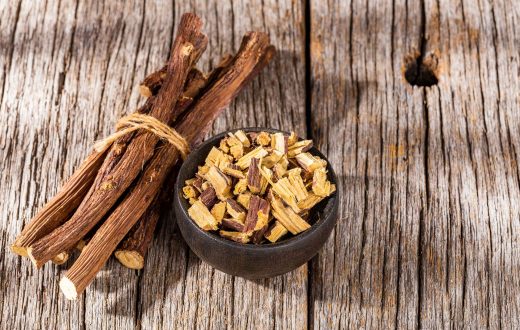
Cosmetics

How Licorice Root Is Used in Skin-Brightening and Soothing Products

The supplement industry is entering a new phase of innovation. While single-herb.
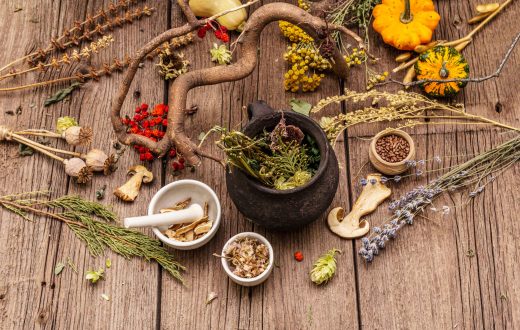
Cosmetics

Emerging Botanicals: Why Ficus foveolata Deserves Industry Attention

The supplement industry is entering a new phase of innovation. While single-herb.
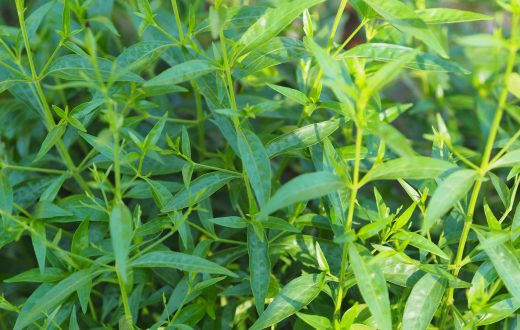
Cosmetics

Immune Formulas in 2026: The Role of Andrographis paniculata

The supplement industry is entering a new phase of innovation. While single-herb.
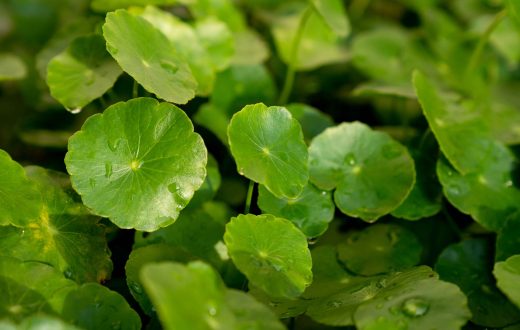
Cosmetics

Centella asiatica in Skin-Care R&D: From Wound Care to Anti-Aging

The supplement industry is entering a new phase of innovation. While single-herb.

Write a Review

Your email address will not be published. Required fields are marked *

Back To Top
Item $0.00
Loadding...