
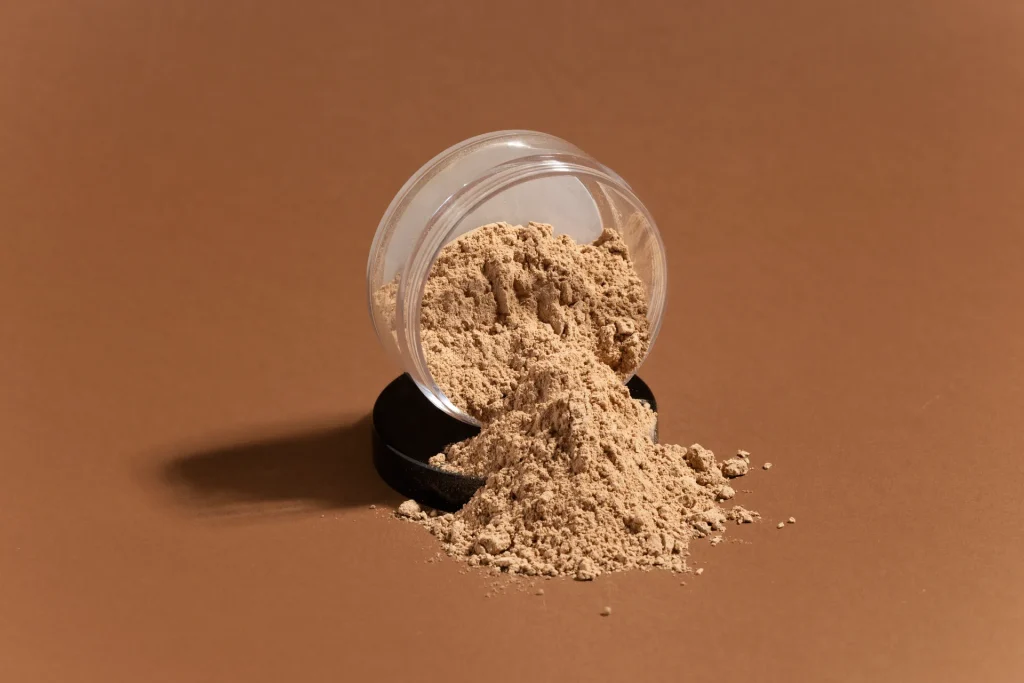
Shatavari and pueraria mirifica is a useful comparison for anyone exploring herbal ingredients during perimenopause or menopause. Both have traditional uses and emerging research, but they are different plants with different chemical profiles. Shatavari is not simply a gentler version of Pueraria mirifica, and neither should be considered a substitute for individualized medical care.
Shatavari vs Pueraria Mirifica: What Is the Main Difference?
Shatavari is the common name for Asparagus racemosus Willd., a plant used in Ayurvedic traditions. Pueraria mirifica is a Thai botanical known for its naturally occurring phytoestrogens. Although both appear in discussions about women’s wellness, they have different botanical identities, constituent profiles, and research histories.
The distinction matters when evaluating supplements. An ingredient’s traditional reputation does not establish its effects in a finished product, and research on one plant cannot automatically be applied to the other.
| Comparison | Shatavari | Pueraria mirifica |
|---|---|---|
| Botanical name | Asparagus racemosus Willd. | Pueraria mirifica |
| Plant family | Asparagaceae | Fabaceae |
| Plant material commonly used | Root | Root or tuberous root |
| Notable constituents | Saponins, including shatavarins, and other plant compounds | Isoflavones and distinctive chromene compounds, including miroestrol-related compounds |
| Traditional context | Ayurvedic women’s wellness and general rejuvenating preparations | Traditional Thai rejuvenating preparations, particularly in women’s wellness |
| Phytoestrogen context | Studied for several biological activities; its hormonal relevance should not be assumed to match Pueraria mirifica | Recognized for its phytoestrogenic compounds |
| Research considerations | Emerging clinical research, with further confirmation needed | Clinical studies exist, but methodological limitations and standardization issues remain |
These differences are useful for understanding the ingredients, but they do not establish that one is better for every person. The extract, formulation, individual health circumstances, and quality of the available evidence all matter.
What Is Shatavari?
Asparagus racemosus Willd., commonly called shatavari, is a climbing plant used in traditional Ayurvedic herbal practice. Its root is the plant material most commonly associated with commercial shatavari supplements.
Researchers have investigated shatavari’s phytochemical composition, including steroidal saponins known as shatavarins. These compounds help characterize the plant, but their presence alone does not establish a particular effect on menopausal symptoms.
Shatavari has traditionally been associated with women’s wellness and reproductive health in Ayurvedic practice. Modern research is exploring how defined root extracts may relate to aspects of the perimenopausal experience. However, findings from a particular standardized extract should not automatically be generalized to every powder, capsule, or liquid product containing the plant.
For more botanical background, read Oriental Heritage Herbalists’ article on Asparagus racemosus Willd. and its traditional context and modern research.
What Is Pueraria Mirifica?
Pueraria mirifica is a Thai legume whose root has a long history in traditional Thai herbal practice. It is distinctive because it contains naturally occurring phytoestrogens, including isoflavones and other compounds investigated for their estrogen-like activity.
Phytoestrogens are plant-derived compounds that can interact with estrogen-related pathways in the body. Their activity is not identical to that of human estrogen, and the biological effects of an extract depend on its composition and other factors.
Researchers have examined Pueraria mirifica in clinical studies involving menopausal women. A systematic review published in the Journal of Ethnopharmacology assessed the available clinical trials and concluded that the evidence remained inconclusive because of study limitations, inconsistent methods, and inadequate standardization of the tested materials. Read the review on PubMed.
This makes botanical identification and extract documentation particularly relevant. A product’s common name alone cannot tell you the concentration of its constituents or whether its composition matches the material used in a published study.
For additional context, see the existing article Pueraria Mirifica and the Clinical Research on Menopausal Discomfort.
Is Shatavari a Phytoestrogen?
Shatavari is often discussed in conversations about women’s hormones, but it should not automatically be treated as equivalent to a well-characterized phytoestrogenic botanical such as Pueraria mirifica.
Research on Asparagus racemosus has examined several constituents and biological activities, including possible interactions with hormone-related pathways. However, the evidence does not justify assuming that every shatavari preparation produces a predictable estrogen-like effect in people.
The term “phytoestrogen” describes plant compounds that can interact with estrogen-related pathways. It is not a general label for every herb traditionally associated with women’s wellness. For practical comparison, consider the actual constituents identified in an extract and the evidence for that specific material rather than relying on broad marketing language.
Is Pueraria Mirifica Stronger Than Shatavari?
There is no reliable, universal ranking that establishes Pueraria mirifica as stronger than shatavari for every purpose. The answer depends on what is being measured, the extract being evaluated, its constituent profile, and the outcome of interest.
Pueraria mirifica is particularly known for its phytoestrogenic compounds. That gives it a distinct biochemical profile, but it does not mean that every product containing it will have a stronger or more suitable effect for every person.
Shatavari also has a distinct phytochemical profile, and research into its potential relevance to perimenopause is developing. Comparing a specific standardized extract with another requires comparable research and clearly defined outcomes. Traditional use, constituent concentration, and product format alone cannot establish a universal winner.
The most useful question is therefore not which herb is strongest, but which botanical is appropriate to investigate given a person’s circumstances and the quality of the available evidence.
What Does the Menopause Research Actually Tell Us?
Menopause research involving herbal supplements varies considerably in study design, extract composition, participant characteristics, and outcomes. These differences make it difficult to compare findings directly.
A randomized, double-blind, placebo-controlled study published in 2025 examined a defined shatavari root extract in women experiencing perimenopausal symptoms. The researchers reported improvements in several measured symptom scores compared with the control group, while also noting the need for further research. The findings apply to the specific extract and study conditions, not automatically to all shatavari products. The study is available through PubMed.
For Pueraria mirifica, a systematic review of clinical trials found promising observations but judged the overall evidence inconclusive because of methodological shortcomings and insufficient standardization. The review is available at PubMed.
These findings should be interpreted carefully. Research on one extract does not establish that all products containing the same plant will have the same composition, tolerability, or results. Neither botanical should be presented as a proven replacement for hormone therapy or professional menopause care.
Can You Take Shatavari and Pueraria Mirifica Together?
There is not enough evidence to establish that combining shatavari and Pueraria mirifica is appropriate or beneficial for everyone. They have different chemical profiles, and there is limited clinical evidence on the safety and effects of taking both together.
Combining two herbal supplements also makes it harder to identify which ingredient is responsible for an unwanted reaction. Product formulations may differ in extract concentration, additional ingredients, and quality specifications, so the botanical names alone are not enough to evaluate a combination.
If you are considering both products, review their complete ingredient lists and discuss the combination with a qualified healthcare professional before use. Avoid assuming that combining herbs will produce better results than using one ingredient on its own.
Which Herb Is Safer for Long-Term Use?
Current evidence does not establish that either shatavari or Pueraria mirifica is the safer choice for long-term use in every person. Safety depends on the specific extract, its composition, the amount used, the duration of use, a person’s health circumstances, and possible interactions with medication.
For shatavari, some recent clinical research has reported short-term tolerability for a defined root extract. That is useful preliminary information, but it does not establish long-term safety for every commercial preparation.
For Pueraria mirifica, clinical research has identified limitations involving study quality, variation in the tested materials, and incomplete long-term safety information. Its phytoestrogenic profile also makes it especially important to consider whether estrogen-related activity is appropriate for an individual.
The US National Center for Complementary and Integrative Health notes that evidence for herbal and other dietary supplements used for menopause remains limited overall, and that long-term safety information is often insufficient. Its guidance on menopausal symptoms and complementary health approaches is a useful starting point for discussing supplement choices with a healthcare professional.
Who Should Avoid Phytoestrogen Herbs?
Phytoestrogenic supplements are not suitable for everyone. Because Pueraria mirifica contains compounds with estrogen-like activity, people with conditions that may be affected by estrogen should obtain individualized medical advice before considering it.
- People with hormone-sensitive conditions: Speak with the clinician managing your condition before using Pueraria mirifica or another supplement with potential estrogen-like activity.
- People who are pregnant or breastfeeding: Avoid self-prescribing these supplements and seek professional advice because safety information for these circumstances is limited.
- People taking medication: Ask a healthcare professional or pharmacist to check for potential interactions with prescription medicines, nonprescription products, and other supplements.
- People with unexplained bleeding or new symptoms: Seek medical assessment rather than relying on a botanical supplement to explain or manage the symptoms.
Shatavari should not automatically be assumed to be appropriate for everyone simply because it is discussed as a traditional women’s wellness herb. Its safety depends on the particular product and the individual using it.
If you are pregnant, breastfeeding, taking medication, or have a hormone-sensitive condition, speak with a healthcare professional before using either herb. Do not stop prescribed medication or change an existing menopause care plan to start an herbal supplement without discussing it with your clinician.
How to Choose and Use a Shatavari or Pueraria Mirifica Product
Once you understand the botanical differences, the next step is to evaluate the actual product. The comparison between shatavari and Pueraria mirifica should begin with the ingredient identity and documentation, not with a promise about what the supplement will do.
- Confirm the scientific name. Look for Asparagus racemosus Willd. for shatavari or Pueraria mirifica for Pueraria mirifica.
- Check the plant part and extract details. Look for information about the root material, extraction method, and any stated constituent specifications.
- Review the full formulation. Check all active and inactive ingredients, especially if you already use other supplements.
- Consider the format. Capsules and liquid extracts may differ in composition, concentration, and directions. A liquid extract should not be assumed to be equivalent to a capsule simply because the plant name is the same.
- Ask for quality documentation. Product specifications and available analytical documents can help clarify ingredient identity and consistency.
- Discuss suitability with a professional. Personal health circumstances and medication use matter when choosing an herbal supplement.
Oriental Heritage Herbalists offers distinct product options for people researching these botanicals. You can explore Asparagus racemosus Willd. (Shatavari) Premium Grade capsules, Pueraria mirifica Premium Grade capsules, or the Shatavari high-concentration liquid extract.
These product links are starting points for reviewing the individual ingredients and formats, not a recommendation that a particular product is appropriate for every person or menopause-related concern.
Frequently Asked Questions
Is shatavari a phytoestrogen?
Shatavari is researched for several biological activities, including possible relevance to hormone-related pathways, but it should not automatically be treated as equivalent to Pueraria mirifica. The evidence depends on the specific constituent, extract, and outcome being studied.
Is Pueraria mirifica stronger than shatavari?
There is no universal evidence-based ranking showing that Pueraria mirifica is stronger for every purpose. It has a distinctive phytoestrogenic profile, while shatavari has a different chemical composition and research history.
Can you take shatavari and Pueraria mirifica together?
Evidence on the safety and effects of combining them is limited. Ask a qualified healthcare professional to review both products, their full ingredient lists, and your individual circumstances before combining supplements.
Which herb is safer for long-term use?
Current evidence does not establish that either herb is universally safer for long-term use. Available studies, product composition, duration of use, and individual health factors all influence the safety assessment.
Who should avoid phytoestrogen herbs?
People with hormone-sensitive conditions should seek individualized medical advice before using Pueraria mirifica or other products with potential estrogen-like activity. People who are pregnant, breastfeeding, or taking medication should also consult a healthcare professional before using either herb.
Conclusion: Choose Based on the Botanical and the Evidence
The key to understanding shatavari vs pueraria mirifica is recognizing that these are different botanicals, not interchangeable options for menopause. Shatavari has a developing body of research involving defined root extracts, while Pueraria mirifica is particularly notable for its phytoestrogenic compounds. Neither has sufficient evidence to be considered a universal choice or a replacement for hormone therapy.
Start with the scientific name, examine the extract information, and consider your health circumstances before choosing a product. To explore the available formats, visit the Shatavari Premium Grade capsules, Pueraria mirifica Premium Grade capsules, and Shatavari liquid extract from Oriental Heritage Herbalists.