
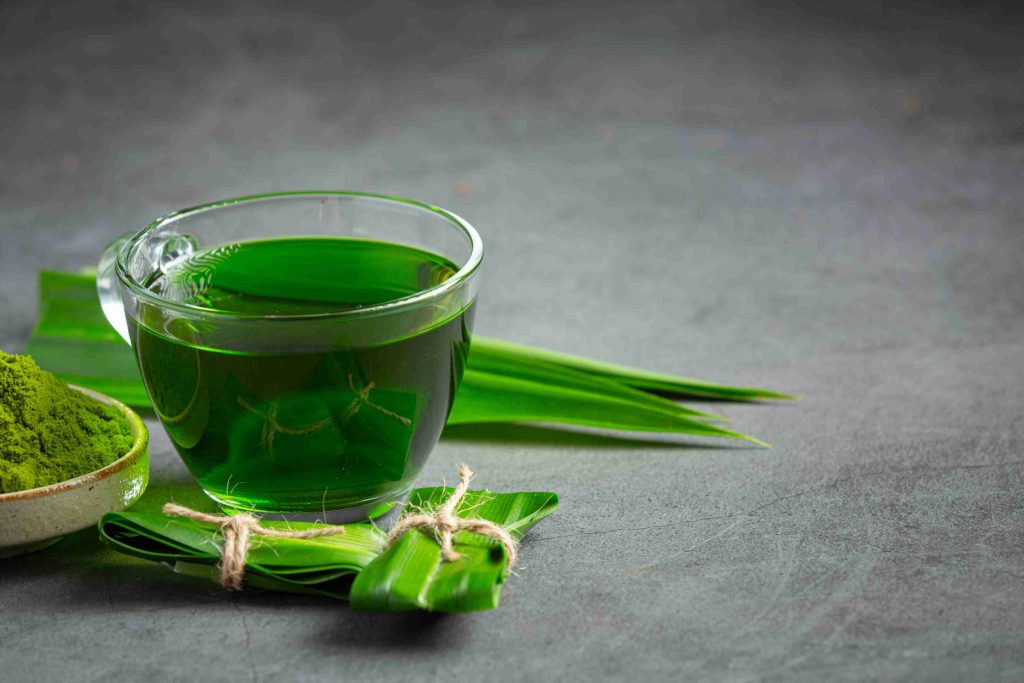
Pandanus amaryllifolius, commonly known as pandan or pandan leaf, is a tropical plant widely used throughout Southeast Asian cuisine. Its leaves are valued particularly for their characteristic sweet, aromatic fragrance, which comes from naturally occurring volatile compounds. Beyond its culinary role, pandan has attracted interest as a botanical source of phytochemicals that may be relevant to functional food and nutraceutical development. This combination of sensory appeal and botanical composition makes pandan especially versatile for modern product formulation.
Why Pandan Has Potential in Functional Foods
Functional foods are designed to provide nutritional or wellness value beyond basic nourishment. Ingredients used in these products need to offer practical formulation benefits while also fitting naturally into foods and beverages that consumers already enjoy.
Pandan extract can contribute a recognizable botanical identity and pleasant aroma to a formulation. This makes it particularly suitable for products where sensory characteristics are an important part of consumer acceptance.
Depending on the extraction process and product format, pandan ingredients may be incorporated into beverages, powders, desserts, nutrition products, and other functional food concepts.
Phytochemicals Found in Pandan
The biological and nutritional interest surrounding pandan is linked to its naturally occurring phytochemicals. Pandan leaves contain aromatic compounds as well as phenolic and other plant constituents that have been investigated for their biological properties.
The composition of an extract can vary according to plant material, growing conditions, processing, and extraction method. For this reason, manufacturers should consider botanical authentication and appropriate quality testing when developing standardized pandan ingredients.
Important Formulation Considerations
- Botanical identity and raw-material authentication.
- Selection of appropriate extraction methods.
- Consistency of aromatic and phytochemical characteristics.
- Control of moisture, contaminants, and impurities.
- Batch-to-batch quality and manufacturing consistency.
Antioxidant Potential and Nutraceutical Interest
Plant-based foods are increasingly studied for their naturally occurring antioxidant compounds. Antioxidants are relevant to nutrition because they can participate in processes associated with oxidative balance in the body.
Research into Pandanus amaryllifolius has investigated antioxidant activity in different extracts and experimental models. These findings contribute to interest in pandan as a potential botanical component of functional foods and nutraceutical formulations.
The nutraceutical value of pandan lies in its combination of traditional food use, distinctive sensory characteristics, and naturally occurring plant compounds that continue to be studied.
Pandan in Functional Beverages and Food Products
Pandan’s familiar flavor profile provides an advantage when developing functional foods because the ingredient already has a strong culinary identity in many Asian markets. Its aromatic character can complement beverages and foods without requiring an unfamiliar sensory concept.
Potential applications include functional drink powders, herbal beverages, nutrition mixes, bakery products, snack formulations, and botanical food blends. The appropriate format depends on the desired flavor intensity, extraction characteristics, stability, and processing conditions.
Pandan in Nutraceutical Formulations
In nutraceutical development, pandan may be used as a botanical ingredient in powdered blends, capsules, tablets, or combination formulas. Extract-based formats can provide greater formulation flexibility than whole leaves while allowing manufacturers to define specific quality parameters.
For premium products, the focus should be on consistent raw materials, controlled processing, appropriate testing, and clear characterization of the finished botanical ingredient.
Why Extraction and Quality Control Matter
Botanical extracts are influenced by the quality of the starting plant material and the conditions used during processing. Drying temperature, extraction solvent, storage conditions, and processing time can all influence the final composition of a pandan extract.
For this reason, manufacturers developing pandan nutraceuticals should work with well-characterized botanical materials and establish appropriate specifications for identity, purity, and consistency.
These practices help transform a traditional culinary botanical into a reliable ingredient suitable for modern functional food applications.
From Traditional Food Use to Modern Functional Innovation
Pandan demonstrates how familiar culinary plants can become valuable components of modern functional food development. Its long-standing role in Southeast Asian cuisine provides an established sensory profile, while ongoing phytochemical research creates opportunities for new applications.
By combining traditional botanical knowledge with modern extraction and quality-control practices, manufacturers can explore new ways to incorporate Pandanus amaryllifolius into contemporary wellness-oriented products.
Explore Premium Botanical Extract Ingredients
Oriental Heritage Herbalists provides herbal extract solutions for manufacturers and formulators developing functional foods, nutraceuticals, and botanical wellness products with carefully selected plant ingredients.
Explore Herbal Extract Products