
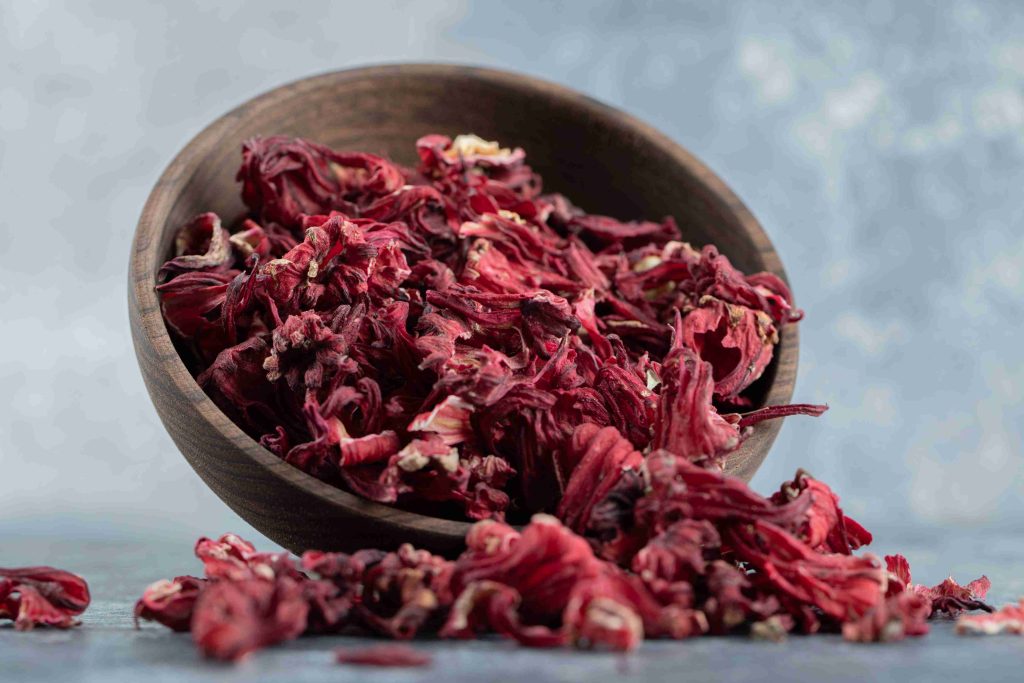
Hibiscus sabdariffa, commonly known as hibiscus or roselle, is a botanical widely used in beverages and traditional food preparations across many regions. The plant’s deep-red calyces are particularly valued for their distinctive color, tart flavor, and naturally occurring phytochemicals. These characteristics have made hibiscus especially attractive to modern functional food manufacturers. Extracts can be incorporated into beverages and dietary supplements where botanical identity, antioxidant potential, visual appeal, and sensory characteristics are important formulation considerations.
Why Hibiscus Is Considered an Antioxidant-Rich Botanical
The calyces of Hibiscus sabdariffa contain several classes of naturally occurring compounds, including anthocyanins, flavonoids, phenolic acids, and other polyphenols. Anthocyanins contribute significantly to the plant’s characteristic red coloration and are among the compounds of interest in hibiscus research.
The presence of these compounds has generated substantial scientific interest in the antioxidant characteristics of hibiscus extracts. For functional food developers, this phytochemical profile provides a foundation for creating products centered on plant-based antioxidant nutrition.
The strength of hibiscus as a functional ingredient lies in the combination of its recognizable botanical profile, naturally occurring polyphenols, vibrant color, and refreshing tart flavor.
Hibiscus in Functional Beverage Formulation
Functional beverages are one of the most natural applications for Hibiscus sabdariffa. Its water-compatible extracts can provide both flavor and color, allowing manufacturers to develop beverages with a strong botanical identity without relying solely on artificial flavor or coloring concepts.
Hibiscus can be incorporated into herbal teas, ready-to-drink beverages, powdered drink mixes, wellness drinks, and botanical beverage blends. Its tart flavor can also be paired with fruit, citrus, berry, or other botanical ingredients to create balanced sensory profiles.
Formulation Advantages
- Distinctive natural red color from anthocyanin pigments.
- Recognizable tart and refreshing flavor profile.
- Compatibility with beverage and powdered formulations.
- Naturally occurring polyphenolic compounds.
- Strong botanical identity for wellness-oriented products.
Anthocyanins and Polyphenols in Hibiscus Extracts
Anthocyanins are among the most recognizable compounds in hibiscus because they contribute to its characteristic red coloration. Other phenolic compounds also contribute to the overall phytochemical profile of the botanical.
The concentration and composition of these compounds can vary depending on the plant variety, cultivation conditions, harvest stage, drying process, extraction technique, and storage conditions. Consequently, manufacturers seeking a consistent ingredient should define appropriate specifications for their hibiscus extract.
Hibiscus in Supplement Formulations
Beyond beverages, Hibiscus sabdariffa extract can be incorporated into capsules, tablets, powdered supplements, and combination botanical formulas. Extract-based ingredients offer manufacturers flexibility in controlling dosage form, concentration, and compatibility with other ingredients.
Hibiscus is particularly suitable for supplement concepts positioned around antioxidant nutrition, botanical wellness, and plant-based functional ingredients. The appropriate extract specification should depend on the intended product format and the desired phytochemical profile.
Key Considerations When Formulating with Hibiscus
Developing a stable hibiscus product requires more than selecting a concentrated botanical extract. Manufacturers must consider the interaction between the extract, formulation matrix, processing conditions, packaging, and storage environment.
Anthocyanins and other plant compounds can be influenced by factors such as pH, temperature, oxygen, light, and storage time. These factors are particularly relevant for beverage manufacturers because processing and shelf-life conditions can influence color and phytochemical stability.
Important Quality Factors
- Authenticated Hibiscus sabdariffa raw material.
- Consistent extraction and processing methods.
- Defined phytochemical or anthocyanin specifications.
- Control of contaminants and impurities.
- Appropriate packaging and storage conditions.
- Batch-to-batch consistency.
Choosing the Right Hibiscus Extract
Not every hibiscus extract is identical. Different extraction techniques can produce ingredients with different concentrations of anthocyanins, polyphenols, acids, pigments, and other naturally occurring constituents.
For a beverage application, manufacturers may prioritize solubility, flavor, color intensity, stability, and sensory performance. For a capsule or powdered supplement, the focus may instead be on extract concentration, marker compounds, and compatibility with other botanical ingredients.
This species-specific and application-specific approach helps manufacturers select an extract that matches the technical requirements of the finished product.
From Traditional Beverage to Modern Functional Product
Hibiscus has a long history of use in traditional beverages, providing a natural bridge between familiar food culture and modern functional nutrition. Its established sensory profile can help manufacturers create products that feel approachable while incorporating contemporary botanical formulation concepts.
By combining authenticated raw materials, appropriate extraction technology, quality testing, and careful formulation, Hibiscus sabdariffa can serve as a versatile ingredient for the growing functional beverage and nutraceutical markets.
Explore Premium Botanical Extract Ingredients
Oriental Heritage Herbalists provides botanical extract solutions for manufacturers and formulators developing functional beverages, nutraceuticals, supplements, and wellness products with carefully selected herbal ingredients.
Explore Herbal Extract Products