
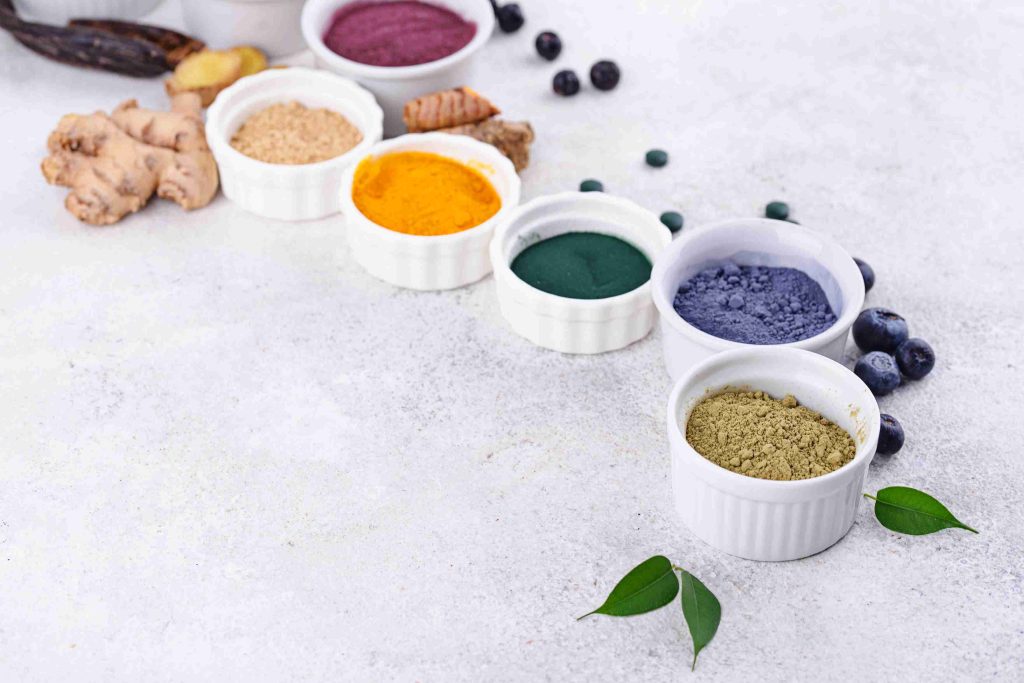
Flavor masking herbal products has become one of the most important formulation challenges in the botanical wellness industry. Many herbs naturally contain bitter, earthy, pungent, or astringent compounds that can reduce consumer acceptance if taste is not properly balanced.
As consumers demand cleaner ingredient labels, manufacturers increasingly avoid artificial sweeteners, synthetic flavors, and chemical masking systems. This shift has encouraged formulators to develop more advanced natural sensory strategies using botanical pairing, aroma optimization, and delivery technologies.
Why Herbal Products Often Have Challenging Flavor Profiles
Many botanical extracts contain naturally occurring phytochemicals that contribute to intense taste characteristics. These compounds may support the product’s functional identity while simultaneously creating bitterness or lingering aftertaste.
- Alkaloids
- Polyphenols
- Tannins
- Terpenes
- Bitter glycosides
Concentrated extracts often amplify these sensory effects, especially in powders, tinctures, gummies, and functional beverages.
What Is Flavor Masking in Herbal Formulation?
Flavor masking refers to formulation strategies designed to reduce undesirable taste characteristics without completely removing the product’s natural botanical identity.
Rather than fully eliminating herbal flavor, modern clean-label systems aim to create better balance through:
- Bitterness reduction
- Smoother mouthfeel
- Aftertaste control
- Aroma enhancement
- Natural flavor harmony
Natural Flavor Masking Strategies Without Synthetic Additives
Botanical Flavor Pairing
Formulators often combine herbs with naturally complementary flavors to soften harsh sensory notes. Citrus oils, warming spices, mint, cacao, and vanilla are commonly used to create more balanced flavor systems.
Popular natural masking ingredients include:
- Peppermint
- Ginger
- Cinnamon
- Citrus peel extracts
- Vanilla
Natural Sweetness Modulation
Ingredients such as monk fruit, stevia, dates, and vegetable glycerin help reduce bitterness perception while maintaining clean-label positioning.
Aroma-Led Sensory Design
Aroma strongly influences flavor perception. Pleasant natural aromatic compounds can improve the overall sensory experience even when bitterness remains partially present.
Encapsulation Technologies
Some manufacturers use encapsulation systems to reduce direct exposure to bitter phytochemicals while improving ingredient stability and controlled release.
Acid Balance and Flavor Brightening
Organic acids from citrus and fruit systems help brighten flavor perception and reduce heavy botanical notes within beverage and powder formulations.
Applications Across Herbal Product Categories
Natural flavor masking strategies are widely applied across multiple wellness categories:
- Functional beverages
- Adaptogenic powders
- Herbal gummies
- Wellness shots
- Oral sprays
- Botanical lozenges
Each product format requires different sensory balancing strategies depending on dosage, ingredient concentration, and consumer expectations.
Why Clean-Label Flavor Systems Continue Growing
Consumers increasingly evaluate products based on ingredient transparency and sensory quality simultaneously. Many buyers now actively avoid:
- Artificial sweeteners
- Synthetic flavor systems
- Artificial coloring agents
- Chemical masking additives
This market shift continues driving innovation in natural sensory formulation technologies.
Formulation Considerations for Herbal Product Developers
When building herbal products without synthetic additives, formulators should evaluate:
- Ingredient compatibility
- Solubility behavior
- Stability during storage
- Sweetness intensity balance
- Aroma interactions
- Delivery format performance
A successful herbal formula balances functionality, stability, and consumer experience within a clean-label framework.
Explore Botanical Wellness Product Solutions
Brands and formulators seeking herbal wellness ingredients and botanical product concepts can explore natural herbal systems through Oriental Heritage Herbalists.
Frequently Asked Questions
Why do herbal products often taste bitter?
Many herbs contain naturally occurring phytochemicals such as alkaloids and polyphenols that contribute to bitterness and astringent sensory profiles.
What is natural flavor masking in herbal products?
Natural flavor masking uses botanical ingredients, aroma systems, and formulation strategies to improve taste without relying on synthetic additives.
Which ingredients help reduce herbal bitterness naturally?
Common examples include mint, ginger, cinnamon, citrus oils, vanilla, monk fruit, and cacao.
Why do clean-label brands avoid synthetic masking agents?
Many consumers prefer transparent ingredient lists and natural product positioning without artificial sweeteners or chemical additives.
Can encapsulation improve herbal taste?
Yes. Encapsulation technologies may reduce direct exposure to bitter compounds while helping improve ingredient stability.
Why is flavor important in herbal wellness products?
Flavor strongly influences consumer experience, repeat purchasing behavior, and overall product acceptance.