
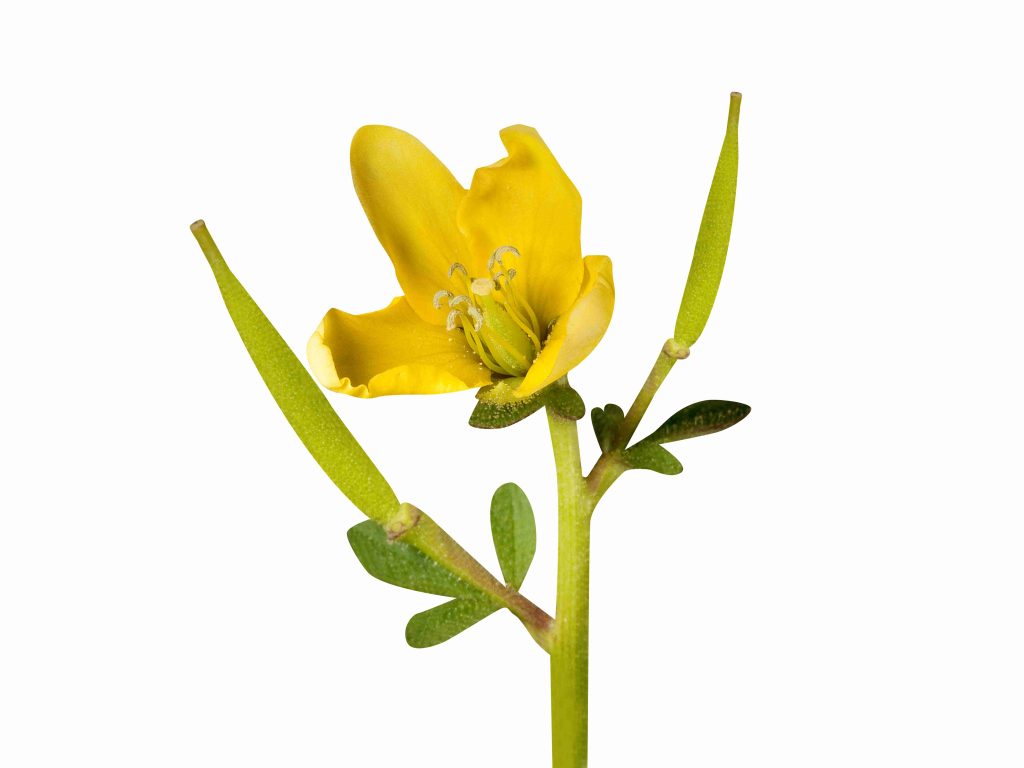
If you are exploring lesser-known botanical ingredients, Cleome viscosa is a plant worth getting to know from the ground up. Also known by common names such as sticky cleome or wild mustard in different regions, it is an annual herb found across parts of tropical and subtropical Asia and other warm regions.
The plant belongs to the Cleomaceae family and is recognized by its distinctive leaves, flowers, seed pods, and characteristic aroma. Its botanical identity provides the starting point for understanding the traditional uses and formulation interest surrounding this plant.
What Makes Cleome Viscosa Distinctive?
One of the easiest ways to understand Cleome viscosa is to look at its physical characteristics. It is generally recognized as a sticky, aromatic herb with glandular structures that contribute to its characteristic feel and smell.
The plant produces yellow flowers and elongated seed pods containing numerous seeds. Different parts of the plant have been described in traditional botanical literature, making the species relevant to discussions of traditional herbal knowledge.
Plant Family
Cleome viscosa is classified within the Cleomaceae family and is botanically distinct from unrelated herbal species.
Growth Habit
It is generally described as an annual herb that grows readily in warm tropical and subtropical environments.
Flowers and Seeds
Yellow flowers and elongated seed pods are among the recognizable features used to identify the plant.
Aromatic Character
The plant has a characteristic aroma associated with its naturally occurring plant constituents.
Cleome Viscosa in Traditional Herbal Knowledge
Traditional use is an important part of the story behind Cleome viscosa. In different regions, various parts of the plant have appeared in traditional herbal practices and local botanical knowledge.
Historical descriptions can help explain why the plant continues to attract interest among people exploring traditional botanicals. However, traditional use should be presented as cultural and historical context rather than as proof of a specific modern health outcome.
A Closer Look at the Botanical Profile
The botanical profile of Cleome viscosa extends beyond its appearance. Like many plants used in traditional herbal systems, it contains naturally occurring secondary metabolites that contribute to its distinctive characteristics.
Researchers have investigated different chemical constituents associated with Cleome species, while studies of Cleome viscosa have explored its phytochemical composition and other botanical characteristics. The composition of plant material can vary depending on factors such as growing conditions, plant part, harvest stage, processing, and extraction.
For this reason, a plant’s botanical name alone does not provide a complete description of a commercial extract. The source material and processing method can be equally important when evaluating an ingredient.
Why Growing Conditions Matter
For botanical ingredients, the growing environment can influence the characteristics of the raw material. Factors such as soil, climate, water availability, harvest timing, and post-harvest handling can all be relevant to botanical sourcing.
For Cleome viscosa, understanding where and how the plant is cultivated can therefore provide useful context when evaluating raw botanical material. Consistent sourcing and appropriate identification help create a clearer foundation for subsequent processing.
This is particularly relevant when a botanical moves from traditional use into modern ingredient development, where consistency and documentation become important parts of the formulation process.
From Traditional Botanical to Modern Ingredient
As interest in botanical wellness continues to grow, consumers and formulators are looking beyond familiar ingredients. Plants such as Cleome viscosa can attract attention because of their traditional background, distinctive botanical characteristics, and potential value as an ingredient for further research.
Moving from traditional botanical knowledge to modern product development requires more than simply identifying a plant. Ingredient identity, plant part, processing method, extract specifications, and quality documentation all help define the material being considered.
Identity
Correct botanical identification establishes the starting point for responsible ingredient sourcing.
Plant Material
The plant part used can influence the characteristics of the resulting botanical ingredient.
Processing
Drying, extraction, and other processing steps can affect the composition of botanical materials.
Specifications
Clear ingredient specifications provide useful information for formulation and product development.
What Growing Wellness Interest Really Means
Growing interest in a botanical does not necessarily mean that its traditional uses have been clinically established for modern wellness products. Instead, interest can reflect consumer curiosity, research activity, new formulation opportunities, or renewed attention to traditional plant knowledge.
For Cleome viscosa, this creates an opportunity to introduce the botanical through its identity and history rather than relying on aggressive benefit-focused messaging.
A botanical-first approach can help consumers understand what makes an ingredient interesting while keeping expectations aligned with the available information.
How to Evaluate Cleome Viscosa as an Ingredient
If you encounter Cleome viscosa extract in a botanical product, start by looking beyond the plant name. Consider the plant part used, source material, extraction or processing method, and available ingredient specifications.
It is also useful to distinguish between information about the raw plant and information about a finished formulation. A traditional description of the plant does not automatically describe the characteristics or intended use of a modern extract.
Key Botanical Profile Takeaways
Distinct Botanical Identity
Cleome viscosa is a recognizable tropical and subtropical herb with distinctive flowers, seed pods, and aromatic characteristics.
Traditional Context
Different parts of the plant have appeared in traditional herbal knowledge across regions.
Phytochemical Interest
The plant contains naturally occurring constituents that have contributed to scientific interest in its botanical profile.
Formulation Potential
Modern ingredient evaluation can consider botanical identity, sourcing, processing, and specifications without relying on unsupported health claims.
Explore Botanical Ingredients
Oriental Heritage Herbalists explores botanical ingredients for businesses interested in herbal extracts, ingredient sourcing, and formulation development.
Explore the Herbal Extract CollectionFrequently Asked Questions
What is Cleome viscosa?
Cleome viscosa is an annual herb associated with tropical and subtropical regions. It is recognized for its yellow flowers, elongated seed pods, aromatic characteristics, and traditional botanical use.
What is the botanical profile of Cleome viscosa?
Its botanical profile includes its Cleomaceae family classification, annual growth habit, distinctive flowers and seed pods, aromatic characteristics, and naturally occurring plant constituents.
Does Cleome viscosa have traditional uses?
Yes. Different parts of Cleome viscosa have been described within traditional herbal knowledge in various regions. These historical uses provide context but should not automatically be presented as established modern health effects.
Why is Cleome viscosa attracting wellness interest?
Interest can come from its traditional botanical background, distinctive plant characteristics, phytochemical profile, and potential relevance to modern botanical ingredient development.
Does the plant’s traditional use prove a specific benefit?
No. Traditional use provides historical and cultural context. It should be distinguished from evidence establishing a specific effect of a modern finished product.
What should formulators consider when evaluating Cleome viscosa?
Important considerations include correct botanical identification, plant part, raw-material source, growing and harvesting conditions, processing method, extract characteristics, and available ingredient specifications.