The concept of skin health has expanded beyond surface-level hydration to include the deeper science of skin lipids and barrier function. Today, skincare research focuses on maintaining the balance of lipids within the outermost layer of the skin, as this balance directly influences moisture retention, resilience, and protection against environmental stressors. Within this context, botanical ingredients that support lipid balance and barrier integrity are gaining increasing attention. One such ingredient is Carthamus tinctorius, a plant widely recognized for its oil-rich seeds and relevance in modern skincare formulations.
Botanical Overview of Carthamus tinctorius
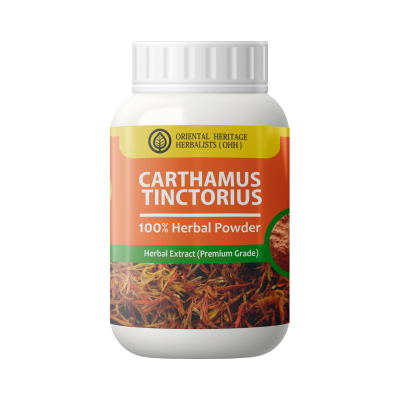
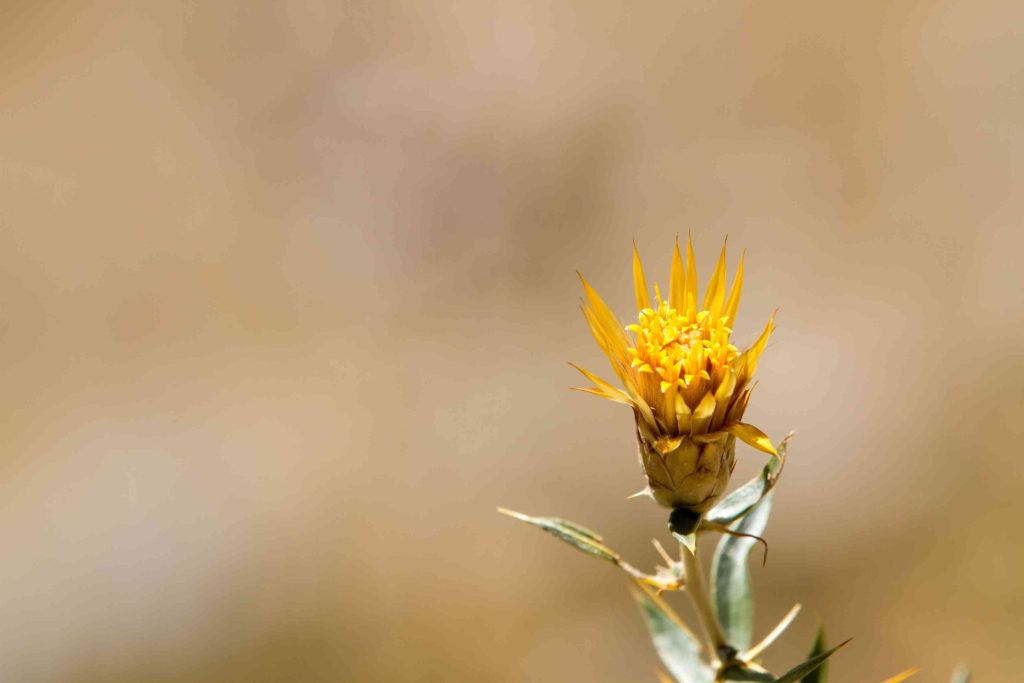
Carthamus tinctorius is a flowering plant commonly known as safflower. It has been cultivated for centuries for its seeds, which produce an oil rich in essential fatty acids.
Safflower oil is particularly high in linoleic acid, an essential fatty acid that plays a key role in maintaining skin lipid balance. In addition to fatty acids, the plant contains antioxidant compounds that support skin protection.
Because of its nutrient profile, Carthamus tinctorius is widely used in cosmetic and dermatological formulations.
Understanding Skin Lipids and the Barrier Function
The skin barrier, located in the stratum corneum, relies on a balanced composition of lipids such as ceramides, cholesterol, and fatty acids. These lipids help:
- Prevent moisture loss
- Protect against environmental stressors
- Maintain skin flexibility
- Support overall skin health
When lipid balance is disrupted, the skin may become dry, sensitive, or more prone to irritation. This has led to increased focus on ingredients that help replenish and support the skin’s natural lipid structure.
Why Carthamus tinctorius Fits Barrier Research
Carthamus tinctorius is particularly relevant in skin barrier research due to its high content of essential fatty acids.
Linoleic acid, one of its key components, plays an important role in maintaining the integrity of the skin barrier. By supporting lipid replenishment, it helps improve moisture retention and overall skin condition.
In addition, its antioxidant properties contribute to protecting the skin from oxidative stress, further supporting barrier function.
Applications in Skin Barrier and Lipid-Focused Products
Moisturizing Creams and Emulsions
Formulators incorporate Carthamus tinctorius oil into creams and lotions designed to support hydration and lipid balance. These products aim to restore moisture and improve skin softness.
They are especially suitable for dry or compromised skin.
Barrier-Repair Skincare
Carthamus tinctorius is commonly used in formulations that focus on repairing and strengthening the skin barrier. These products help support long-term skin resilience and comfort.
Sensitive Skin Products
Because of its gentle and nourishing properties, safflower oil is often included in products designed for sensitive skin. It helps support skin balance without causing irritation.
Synergy with Other Barrier-Support Ingredients
Barrier-focused formulations often combine multiple ingredients to enhance effectiveness. Carthamus tinctorius works well with botanicals such as:
- Centella asiatica
- Aloe vera
- Camellia sinensis
These combinations help create comprehensive skincare systems that support hydration, protection, and skin resilience.
Formulation Considerations
When developing skincare products with Carthamus tinctorius, manufacturers should consider oil quality, fatty acid composition, and formulation stability.
Proper processing and storage are important to preserve the integrity of essential fatty acids and ensure consistent product performance.
Market Trends Supporting Lipid-Based Skincare
Several trends are driving interest in lipid-focused formulations:
- Increased awareness of skin barrier health
- Growth of minimalist and skin-repair skincare routines
- Demand for plant-based oils and clean beauty products
- Expansion of sensitive-skin product categories
Consumers increasingly prioritize products that support long-term skin health rather than temporary results.
Conclusion
Carthamus tinctorius represents a key botanical ingredient in skin lipid and barrier research due to its rich fatty acid profile and compatibility with modern skincare formulations. Its ability to support hydration and barrier integrity makes it especially valuable in products targeting skin resilience.
As skincare science continues to emphasize lipid balance and barrier function, Carthamus tinctorius offers brands an opportunity to develop effective, plant-based solutions that align with both scientific insights and consumer demand for natural ingredients.