Bitter taste has long played a role in traditional digestive wellness systems. Herbal bitters were historically consumed before meals to support digestion and appetite. Today, research into digestive signaling pathways reveals that bitter compounds do far more than create a strong taste experience.
Scientists and formulators now recognize that bitter compounds interact with specialized receptors throughout the digestive system. These interactions influence physiological responses connected to digestion, metabolic signaling, and gut communication.
As interest in gut health continues to expand, bitter compounds are moving beyond traditional herbal applications and becoming important tools in modern formulation science.
What Are Bitter Compounds?
Bitter taste receptor are sensory receptors that detect bitter molecules. While people commonly associate these receptors with the tongue, researchers have identified similar receptors throughout the gastrointestinal tract.
Bitter compounds naturally occur in many botanicals, including:
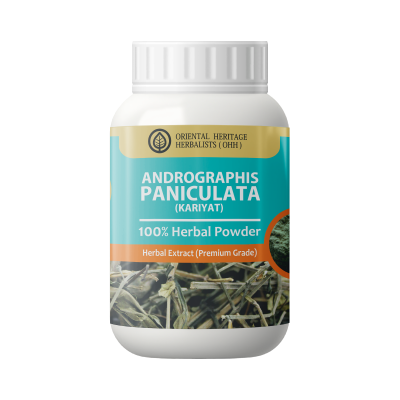
- Andrographis paniculata
- Gentiana lutea
- Artemisia absinthium
Traditionally, these ingredients were valued for digestive support. Modern research now focuses on how they influence signaling pathways beyond taste perception.
The Science of Digestive Signaling
Digestive signaling refers to the communication network between the gut, nervous system, hormones, and digestive organs.
When bitter compounds interact with receptors in the digestive tract, they can trigger physiological responses such as:
- Salivary stimulation
- Gastric secretion signaling
- Digestive enzyme activation
- Gut hormone communication
These responses help prepare the digestive system for nutrient processing.
Bitter Taste Receptors Beyond the Tongue
Researchers once believed bitter receptors existed only in the mouth. However, studies now show that these receptors appear throughout the gastrointestinal tract and other tissues.
This discovery changed how formulators think about bitter ingredients.
Instead of functioning only as flavor compounds, bitters may influence broader physiological signaling processes connected to digestion and metabolism.
How Bitter Compounds Influence Digestive Processes
1. Stimulation of Digestive Secretions
Bitter compounds may stimulate pathways associated with saliva production and gastric signaling. This supports the body’s preparation for digestion.
This mechanism explains why traditional bitters were often consumed before meals.
2. Interaction with Gut Hormone Signaling
Research suggests bitter receptors in the gut may influence hormone signaling pathways involved in appetite and digestive regulation.
This area remains an active focus in nutrition and gut-health research.
3. Sensory Priming for Digestion
The bitter taste itself contributes to digestive preparation by activating sensory pathways connected to feeding responses.
This process links taste perception directly to physiological digestive readiness.
4. Potential Role in Gut-Brain Communication
Scientists continue to explore how bitter receptor signaling interacts with the gut-brain axis. This emerging field examines how digestive signaling influences broader wellness pathways.
Why Modern Formulators Are Revisiting Bitter Ingredients
The functional wellness market increasingly prioritizes gut health, microbiome balance, and digestive efficiency. Bitter compounds align well with these trends because they support foundational digestive processes.
Modern brands now use bitters in products such as:
- Digestive tonics
- Functional beverages
- Gut-health supplements
- Botanical appetite-support products
Rather than positioning bitters as old-fashioned remedies, formulators now frame them as physiologically relevant signaling ingredients.
Applications in Modern Digestive Formulations
Functional Beverages
Brands increasingly include bitter botanicals in wellness beverages designed for digestive support and metabolic balance.
These products often combine bitter ingredients with citrus, herbs, or adaptogens to improve palatability.
Digestive Capsules and Tonics
Capsules and liquid tonics remain common delivery formats for bitter compounds. Liquid formats may provide a stronger sensory experience because they interact directly with oral taste receptors.
Gut-Focused Botanical Blends
Formulators often combine bitter ingredients with complementary botanicals such as:
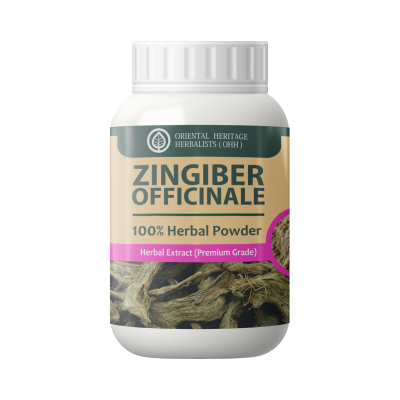
- Zingiber officinale
- Foeniculum vulgare
- Mentha piperita
These combinations help create balanced digestive-support systems.
Challenges in Bitter Formulation Design
Despite their functional relevance, bitter compounds present formulation challenges.
Taste Acceptance
Consumers often avoid strongly bitter products. Formulators must balance functionality with palatability.
Common approaches include:
- Flavor masking
- Layered botanical profiles
- Encapsulation technologies
Standardization
Not all bitter extracts contain equivalent levels of active compounds. Reliable sourcing and standardization help maintain consistent performance.
Delivery Strategy
Delivery format influences how bitter compounds interact with receptors. Liquids, powders, capsules, and emulsions each create different sensory and physiological experiences.
Emerging Research Areas
Researchers continue exploring how bitter compounds influence:
- Gut hormone pathways
- Microbiome interactions
- Metabolic signaling
- Satiety responses
- Nutrient sensing mechanisms
This evolving research may expand the future applications of bitter botanicals beyond traditional digestive wellness.
Market Trends Supporting Bitter Ingredient Innovation
Several trends contribute to renewed interest in bitter compounds:
- Growth of digestive wellness products
- Increased consumer awareness of gut health
- Expansion of functional beverage markets
- Interest in traditional botanicals with modern scientific relevance
- Demand for low-sugar and adult-oriented flavor profiles
As consumer tastes evolve, bitters may become more mainstream within functional nutrition.
Conclusion
Bitter compounds play a much larger role than simple taste perception. Modern research shows that bitter receptors participate in digestive signaling pathways connected to gut function, hormonal communication, and digestive readiness.
This growing understanding allows formulators to reposition bitter botanicals from traditional herbal ingredients into scientifically relevant tools for modern digestive wellness products.
As digestive health innovation continues to evolve, bitter compounds will likely remain central to next-generation gut-focused formulations.
FAQs
Bitter compounds are naturally occurring molecules that activate bitter taste receptors. Many botanicals contain these compounds and are traditionally used in digestive wellness product
Bitter compounds interact with receptors linked to digestive signaling pathways. These interactions may support saliva production, gastric signaling, and digestive readiness.
No. Researchers have identified bitter taste receptors throughout the gastrointestinal tract and other tissues, not only in the mouth.
Traditional herbal systems used bitters before meals because bitter taste may help prepare digestive processes through sensory and physiological signaling.
Examples include:, Andrographis paniculata, Gentiana lutea, Artemisia absinthium.
Modern interest in gut health, digestive signaling, and functional wellness products has renewed attention on bitter compounds and their physiological relevance.