The global skincare market continues to shift toward botanical ingredients that support visible skin clarity and tone balance through scientifically relevant mechanisms. Among the most studied pathways in cosmetic formulation is tyrosinase inhibition, a process closely linked to melanin production and skin appearance. As brands search for plant-based alternatives to conventional brightening agents, Artocarpus lakoocha has gained increasing attention due to its phytochemical profile and relevance in skin-focused formulations.
This Southeast Asian botanical contains compounds associated with antioxidant activity and tyrosinase-related pathways, making it a notable ingredient in modern skin brightening strategies.
What Is Artocarpus lakoocha?
Artocarpus lakoocha is a tropical tree native to South and Southeast Asia. Traditional systems have historically used different parts of the plant in herbal applications.
The heartwood of Artocarpus lakoocha contains several polyphenolic compounds, including oxyresveratrol, which has attracted attention in cosmetic and phytochemical research.
Because of its phytochemical composition, the plant is increasingly explored in:
- Skin brightening formulations
- Antioxidant skincare
- Cosmetic serums
- Botanical wellness products
Understanding Tyrosinase and Skin Pigmentation
Tyrosinase is a key enzyme involved in melanin production.
Melanin contributes to natural skin coloration, but excessive or uneven melanin activity may influence:
- Uneven skin tone
- Dark spot appearance
- Post-environmental pigmentation concerns
- Visible discoloration
Many cosmetic formulations target tyrosinase-related pathways to support a more balanced and radiant skin appearance.
Why Tyrosinase Inhibition Matters in Skincare
Tyrosinase inhibition is widely studied because it represents one approach to regulating visible pigmentation processes.
Modern consumers increasingly seek:
- Non-hydroquinone alternatives
- Plant-based cosmetic ingredients
- Gentle brightening support
- Multifunctional antioxidant skincare
Botanical compounds that interact with tyrosinase pathways therefore attract significant formulation interest.
Key Phytochemicals in Artocarpus lakoocha
One of the most recognized compounds in Artocarpus lakoocha is oxyresveratrol.
Oxyresveratrol belongs to the stilbene family of compounds and has been explored in cosmetic research related to antioxidant and tyrosinase-associated activity.
In addition to oxyresveratrol, the plant also contains:
- Polyphenols
- Flavonoids
- Antioxidant-associated compounds
These contribute to broader skin defense and cosmetic formulation strategies.
Potential Skin Brightening Mechanisms
1. Tyrosinase-Related Activity
Research involving oxyresveratrol has attracted interest because of its interaction with tyrosinase-associated pathways.
This mechanism contributes to its relevance in skin brightening formulations.
2. Antioxidant Support
Oxidative stress can influence visible skin aging and environmental skin fatigue.
Polyphenol-rich botanical extracts support antioxidant-focused skincare systems designed to help maintain skin clarity and resilience.
3. Environmental Defense Support
Modern urban skincare increasingly targets pollution and oxidative exposure.
Botanical antioxidants help support broader skin defense strategies within anti-pollution cosmetic products.
4. Support for Overall Skin Tone Appearance
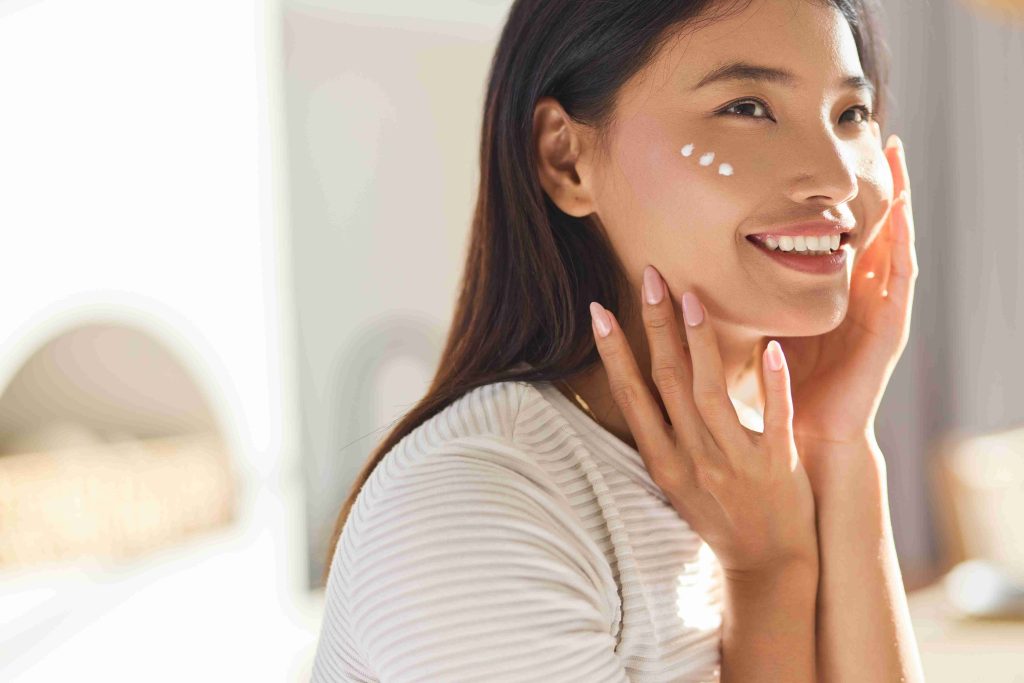
Ingredients associated with balanced pigmentation pathways may contribute to a more even-looking skin appearance over time when incorporated into consistent skincare routines.
Applications in Cosmetic Formulation
Skin Brightening Serums
Artocarpus lakoocha extracts may be incorporated into concentrated serum formulations targeting visible skin clarity and radiance.
Tone-Balance Creams
Creams designed for uneven skin appearance may use botanical brightening ingredients alongside hydration-support systems.
Antioxidant Cosmetic Products
Because of its polyphenol content, Artocarpus lakoocha may also contribute to antioxidant skincare formulations beyond pigmentation-focused products.
Synergy with Other Skin Brightening Ingredients
Artocarpus lakoocha may work alongside other cosmetic botanicals and active ingredients such as:
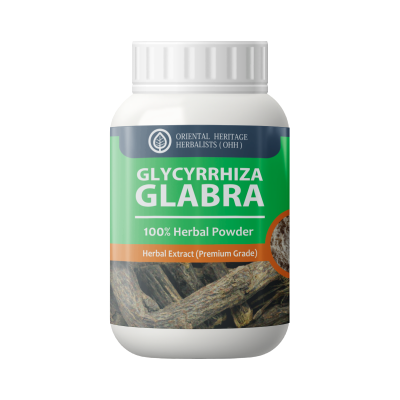
- Glycyrrhiza glabra
- Camellia sinensis
- Niacinamide
These combinations support multi-pathway skin brightening and skin defense strategies.
Formulation Considerations
When formulating with Artocarpus lakoocha, manufacturers should evaluate:
- Extract standardization
- Polyphenol stability
- Oxidation sensitivity
- Ingredient compatibility
- pH stability
Proper extraction and stabilization help maintain phytochemical integrity within cosmetic systems.
Consumer Trends Supporting Botanical Brightening Ingredients
Several trends continue driving demand for botanical skin brightening ingredients:
- Preference for plant-derived skincare actives
- Increased interest in antioxidant beauty products
- Demand for gentle brightening support
- Growth of clean beauty positioning
- Expansion of multifunctional cosmetic formulations
Consumers increasingly favor ingredients that support both cosmetic appearance and broader skin wellness concepts.
Scientific and Industry Perspective
Modern cosmetic science increasingly focuses on:
- Melanin pathway research
- Antioxidant defense systems
- Botanical polyphenols
- Multifunctional skincare ingredients
Artocarpus lakoocha aligns with these trends because it combines antioxidant relevance with tyrosinase-related formulation interest.
Conclusion
Artocarpus lakoocha represents a promising botanical ingredient in modern skin brightening and antioxidant skincare development. Its phytochemical profile, particularly its oxyresveratrol content, contributes to growing interest in tyrosinase-related cosmetic applications.
As consumers continue seeking plant-based alternatives for skin tone balance and skin defense support, Artocarpus lakoocha offers formulators an emerging botanical option with both traditional relevance and modern formulation potential.