One of the most versatile ingredients in this context is Angelica sinensis, a well-known botanical with a long history of use in traditional herbal systems. Today, formulators and product developers widely use Angelica sinensis in both blood circulation formulas and hormone-support products, raising an important question: how should they position this ingredient for optimal formulation and marketing?
Botanical Overview of Angelica sinensis
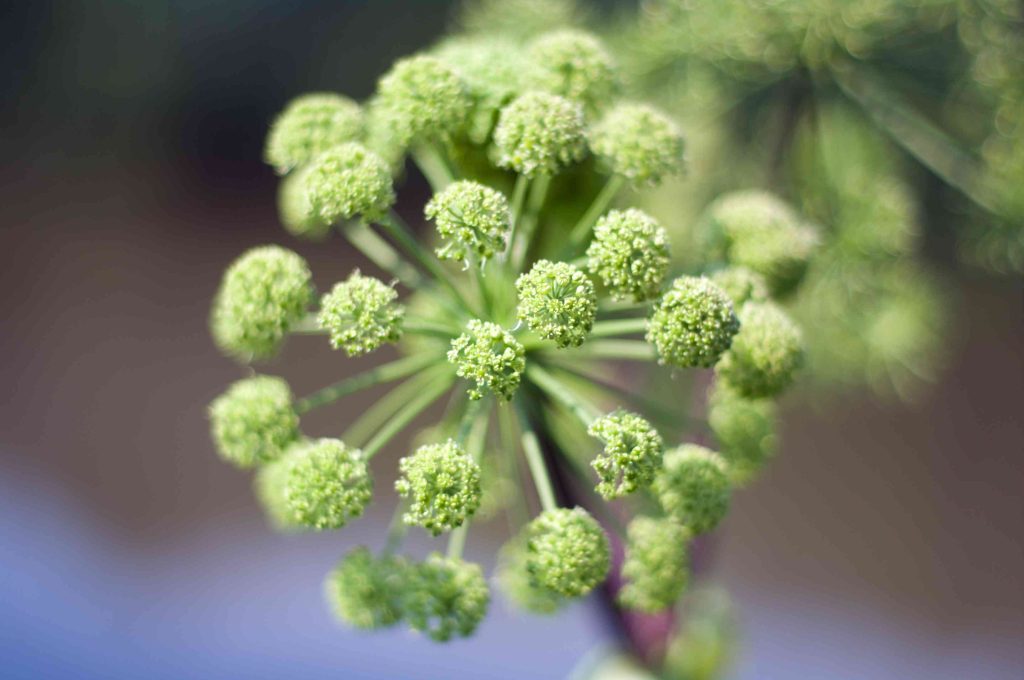
Angelica sinensis is a perennial plant native to East Asia. For centuries, traditional herbal systems have used the root of Angelica sinensis, particularly in formulations related to vitality and internal balance.
The plant contains a range of bioactive compounds, including ferulic acid, flavonoids, and volatile oils. These compounds contribute to its functional versatility and support its use across multiple wellness categories.
Because of its long-standing traditional use, Angelica sinensis remains one of the most recognized botanicals in modern herbal formulation.
The Role of Blood Circulation in Wellness Products
Blood circulation plays a critical role in delivering oxygen and nutrients throughout the body. Many modern supplements target circulation to support:
- Energy levels and vitality
- Cardiovascular function
- Physical recovery
- Overall metabolic activity
In circulation-focused formulas, botanicals are often selected for their ability to support vascular function and fluid balance.
The Role of Hormone Support in Modern Formulations
Hormone-support products focus on maintaining endocrine balance and supporting physiological regulation. These formulations are commonly used in areas such as:
- Women’s wellness
- Mood and stress balance
- Skin and metabolic health
- Reproductive health
Botanical ingredients in this category are often chosen for their ability to support internal balance rather than direct stimulation.
Angelica sinensis in Circulation Formulas
In circulation-focused formulations, formulators position Angelica sinensis as a botanical that supports the movement and distribution of nutrients within the body.
They often include it in blends designed to promote vitality and physical balance. In this context, they may combine it with other circulation-support botanicals to enhance overall effectiveness.
This positioning aligns with traditional uses that emphasize movement and flow within the body.
Angelica sinensis in Hormone Formulas
In hormone-support formulations, formulators position Angelica sinensis differently. Rather than focusing on circulation alone, they use it as part of a broader strategy to support internal balance and endocrine function.
Manufacturers especially use this application in women’s wellness products, where they include the ingredient in multi-herb blends designed to support long-term hormonal equilibrium.
Its adaptability makes it a key component in formulations targeting systemic balance.
Key Differences in Formulation Strategy
Although the same ingredient is used in both categories, the formulation approach differs significantly:
- In circulation formulas, Angelica sinensis is paired with ingredients that support vascular activity and energy flow
- In hormone formulas, it is combined with adaptogenic or endocrine-support botanicals
- Dosage and extract type may vary depending on the intended function
- Product positioning and marketing narratives differ between the two categories
Understanding these differences allows formulators to use the ingredient more effectively.
Synergy with Complementary Botanicals
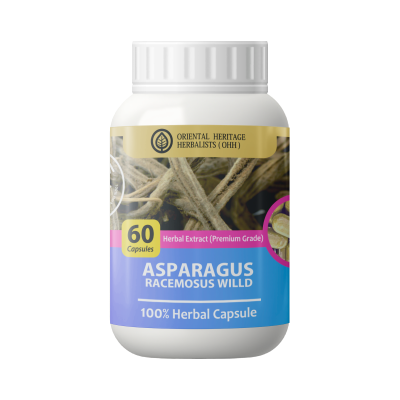
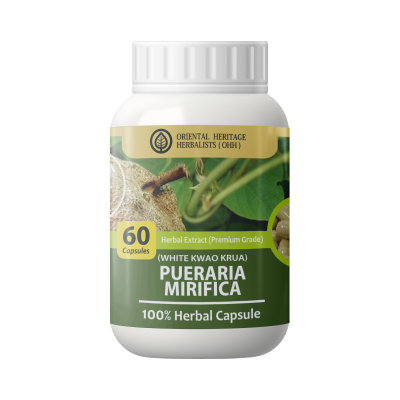
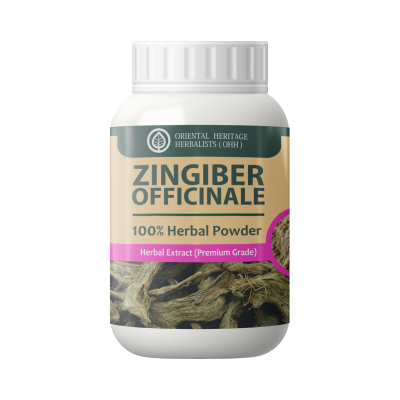
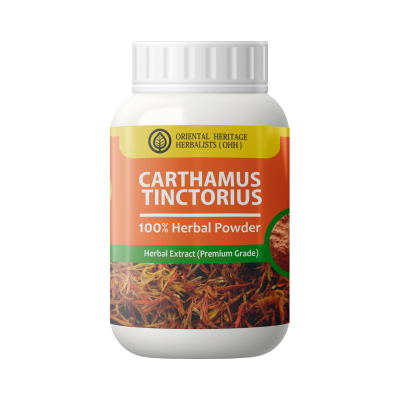
Angelica sinensis is often combined with other herbs to enhance its function depending on the formulation goal.
For circulation-focused blends, it may be paired with:
For hormone-support products, it may be combined with:
These combinations allow formulators to tailor products for specific outcomes.
Formulation Considerations
When working with Angelica sinensis, manufacturers should consider extract quality, standardization, and target application.
Because the ingredient can serve multiple roles, clear formulation goals are essential. This ensures consistency in both product performance and marketing communication.
Market Trends Supporting Dual-Function Botanicals
Several trends support the growing use of multifunctional ingredients:
- Demand for simplified formulations with multiple benefits
- Growth of women’s health and circulation-support products
- Increased interest in traditional herbal systems
- Preference for holistic wellness approaches
Consumers increasingly value ingredients that support multiple aspects of health.
Conclusion
Angelica sinensis demonstrates how a single botanical can serve multiple roles in modern formulations. Its use in both circulation and hormone-support products highlights the importance of formulation strategy and positioning.
By understanding how to apply Angelica sinensis in different contexts, product developers can create more targeted and effective formulations that align with consumer needs and market trends
As botanical supplements become more sophisticated, formulators increasingly explore ingredients that can serve multiple functional roles within the body. Rather than limiting a plant to a single benefit, modern herbal strategies often position botanicals across different physiological systems.
Explore our website to learn more: Click Here