
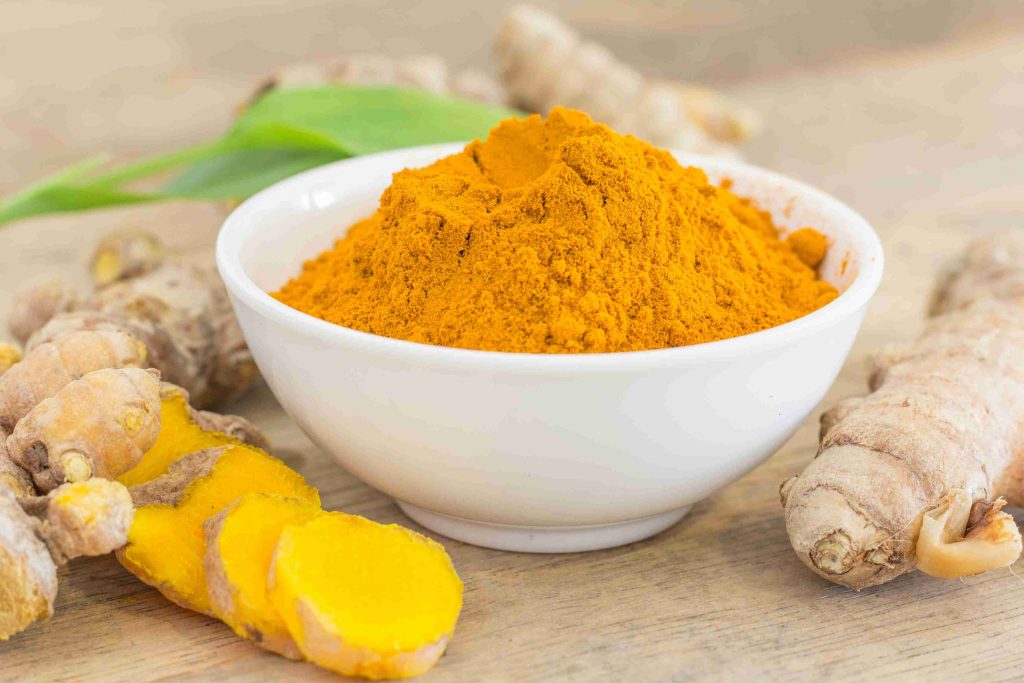
Curcuma longa, commonly known as turmeric, is one of the most widely recognized botanical ingredients used in food, wellness, nutraceutical, and supplement formulations. Its rhizome contains a group of naturally occurring compounds known as curcuminoids, including curcumin and related constituents. For manufacturers, the botanical name alone does not define the functional characteristics of a turmeric extract. Different raw materials and extraction processes can produce substantially different concentrations of curcuminoids.
This makes Curcuma longa extract standardization an important part of developing consistent ingredients for commercial and export applications.
Understanding Curcuminoid Content
Curcuminoids are naturally occurring polyphenolic compounds found in Curcuma longa rhizomes. The principal curcuminoids commonly discussed in turmeric extracts are curcumin, demethoxycurcumin, and bisdemethoxycurcumin.
The total curcuminoid concentration can vary according to cultivar, growing conditions, rhizome quality, harvesting, drying, storage, extraction method, and concentration technology.
Consequently, two products labelled as Curcuma longa extract may have very different analytical profiles. Defining a target curcuminoid specification helps manufacturers establish a more consistent raw-material standard.
Standardization turns botanical variability into a measurable ingredient specification that can be evaluated from batch to batch.
Curcuminoid Standardization in Extract Manufacturing
Standardization generally involves establishing a target or acceptable range for a selected marker or group of compounds. For turmeric extracts, total curcuminoid content is commonly used as an important quality parameter.
The appropriate specification depends on the intended product, extraction technology, regulatory market, and manufacturer’s quality requirements. A specification should be technically achievable and supported by actual analytical data.
Key Standardization Parameters
- Authenticated Curcuma longa raw material.
- Defined plant part and botanical source.
- Controlled extraction process.
- Specified total curcuminoid concentration.
- Appropriate analytical testing.
- Defined acceptance criteria.
- Batch-to-batch consistency.
How Extraction Affects Curcuminoid Content
The final composition of a Curcuma longa extract depends strongly on the extraction and concentration process. Solvent selection, extraction conditions, purification, concentration, drying, and post-processing can all influence the resulting curcuminoid profile.
A more concentrated extract is not automatically a better ingredient for every application. The appropriate strength depends on the intended formulation and the desired serving or inclusion level.
Manufacturers should therefore select extraction parameters based on a defined finished-ingredient specification rather than pursuing concentration without considering the complete product requirements.
Analytical Testing of Curcuminoid Content
Reliable analytical testing is essential for confirming the specification of a standardized turmeric extract. Chromatographic techniques such as HPLC can be used to separate, identify, and quantify individual curcuminoids and calculate the relevant total content.
For export-grade ingredients, analytical results should be traceable to the specific production batch. The testing method, reference standards, sample preparation, and acceptance criteria should be appropriately controlled.
Export-Grade Quality Requirements
Supplying turmeric extracts to international manufacturers requires more than a defined curcuminoid percentage. Export-grade ingredients should be supported by a broader quality system covering identity, purity, safety, consistency, documentation, and traceability.
The exact requirements vary according to destination country, product category, customer specifications, and applicable regulations. Manufacturers should establish documentation requirements before shipment rather than treating export compliance as an afterthought.
Important Export Documentation
- Certificate of Analysis (COA).
- Botanical identification and ingredient specification.
- Curcuminoid analytical results.
- Microbiological testing where applicable.
- Heavy-metal and contaminant testing where required.
- Manufacturing and batch information.
- Storage and shelf-life specifications.
Raw Material Selection for Standardized Turmeric Extract
The quality of the finished extract begins with the quality of the Curcuma longa rhizome. Raw materials should be properly authenticated and evaluated against defined specifications before entering production.
Factors such as moisture, foreign matter, microbial quality, agricultural practices, geographical origin, and storage conditions can influence the suitability of the raw material.
Consistent sourcing is particularly important for export customers because changes in raw-material quality can create variation in the final curcuminoid concentration and other physical characteristics.
Formulation Considerations for Curcuminoid-Standardized Extracts
A standardized extract provides formulators with a defined starting point, but its behaviour in the finished product still requires evaluation. Factors such as dosage form, particle size, dispersion, processing temperature, excipients, packaging, and storage can influence the finished formulation.
For powders and capsules, formulators should evaluate uniformity and flow properties. For liquid or functional food applications, dispersibility and physical stability may become more important.
The target curcuminoid content should therefore be considered alongside the technical characteristics required by the finished product.
Batch-to-Batch Consistency
One of the primary objectives of standardization is to reduce unnecessary variation between production batches. A consistent manufacturing process, combined with incoming raw-material controls and finished-extract testing, can help maintain the agreed specification.
Manufacturers should establish suitable sampling and testing procedures and retain batch records that allow the ingredient to be traced from raw material through extraction and final release.
This approach supports more predictable formulation performance and gives international customers greater confidence in the ingredient supplied.
Building a Reliable Export Supply Chain
For international buyers, a premium botanical ingredient is defined not only by its phytochemical specification but also by the reliability of its supply chain. Consistent manufacturing, clear documentation, appropriate packaging, and responsive quality support are all important elements.
A well-defined export-grade Curcuma longa extract specification can serve as a common reference between supplier, manufacturer, quality teams, and regulatory personnel.
By combining standardized curcuminoid content with robust quality controls and traceable documentation, turmeric extract suppliers can better support manufacturers developing consistent products for international markets.
Choosing the Right Curcuma longa Extract Specification
There is no single curcuminoid concentration that is appropriate for every product. The correct specification depends on the intended application, serving size, manufacturing process, market requirements, and desired positioning.
For this reason, buyers should define their requirements clearly before sourcing an extract. Important questions include the target curcuminoid range, analytical method, required documentation, packaging format, minimum shelf life, and destination-market requirements.
This specification-driven approach helps ensure that the selected ingredient is suitable not only on paper but also for the practical needs of the finished formulation.
Explore Premium Botanical Extract Ingredients
Oriental Heritage Herbalists provides botanical extract solutions for manufacturers and formulators developing herbal, nutraceutical, functional food, and wellness products with defined ingredient specifications.
Explore Herbal Extract Products