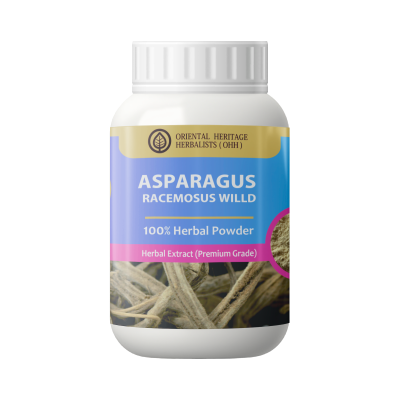

Women’s wellness products continue evolving beyond basic supplementation toward more comprehensive approaches that support stress resilience, hormonal balance, energy, and long-term vitality. As consumer interest in adaptogenic nutrition grows, formulators increasingly explore botanicals traditionally associated with women’s health systems.
Among these ingredients, Asparagus racemosus has gained significant attention because of its historical relevance and broad phytochemical profile. Often associated with women-focused herbal traditions, the plant now appears in modern adaptogenic nutrition products designed to support physiological balance during periods of stress and lifestyle demands.
Its growing presence in supplements, functional beverages, and holistic wellness formulations reflects the expanding role of botanical adaptogens in women’s nutrition strategies.
What Is Asparagus racemosus?
Asparagus racemosus is a climbing plant native to India and other parts of Asia. Traditional wellness systems have long used its roots in formulations associated with women’s vitality and reproductive wellness.
The plant contains several naturally occurring compounds, including:
- Saponins
- Flavonoids
- Polyphenols
- Steroidal compounds
These phytochemicals contribute to its relevance in adaptogenic and wellness-focused formulations.
What Does Adaptogenic Nutrition Mean?
Adaptogen refers to botanicals traditionally associated with supporting the body’s ability to adapt to physical and environmental stressors.
Adaptogenic nutrition focuses on maintaining:
- Physiological balance
- Stress resilience
- Energy stability
- Recovery support
- Long-term wellness function
Modern consumers increasingly seek nutritional systems that support overall resilience rather than isolated wellness goals.
Why Women’s Wellness Products Are Expanding
Women’s nutritional needs often shift across:
- Lifestyle changes
- Stress levels
- Age-related transitions
- Hormonal fluctuations
- Recovery demands
As a result, brands increasingly develop products positioned around:
- Daily resilience
- Hormonal wellness support
- Energy balance
- Mood and recovery support
Botanical adaptogens align strongly with these broader wellness trends.
Potential Role of Asparagus racemosus in Adaptogenic Nutrition
1. Support for Stress Resilience
Traditional systems historically associated Asparagus racemosus with maintaining balance during periods of physical and emotional stress.
Its adaptogenic positioning contributes to its popularity in modern wellness formulations.
2. Women-Focused Botanical Positioning
The plant has longstanding historical relevance in women-centered wellness traditions, which supports its role in female-focused supplement categories.
3. Antioxidant and Wellness Support
The plant contains antioxidant-associated phytochemicals that contribute to broader wellness and recovery strategies.
4. Integration Into Holistic Wellness Systems
Modern formulations increasingly combine adaptogens with nutritional support ingredients to create broader wellness products targeting multiple pathways simultaneously.
Applications in Modern Product Development
Women’s Adaptogenic Supplements
Capsules and powdered blends frequently incorporate Asparagus racemosus into stress-support and vitality-focused products.
Functional Beverage Systems
Adaptogenic beverages continue expanding within the wellness market. Botanical ingredients associated with resilience and balance fit naturally into these formulations.
Daily Wellness Blends
Many products combine adaptogenic herbs with nutritional cofactors to support broader lifestyle wellness positioning.
Synergy with Other Adaptogenic Botanicals
Asparagus racemosus is often combined with:
- Pueraria mirifica
- Ocimum tenuiflorum
- Rhodiola rosea
These combinations help create multi-pathway wellness systems focused on resilience and recovery.
Formulation Considerations
When developing adaptogenic nutrition products, formulators should evaluate:
- Extract standardization
- Saponin content
- Flavor profile
- Solubility
- Stability within delivery systems
The delivery format also influences consumer experience and product positioning.
Delivery Formats in Adaptogenic Nutrition
Capsules
Capsules support convenience and precise dosing.
Powdered Wellness Blends
Powders allow integration into smoothies, beverages, and wellness drinks.
Liquid Botanical Tonics
Liquid systems support traditional wellness positioning and flexible serving formats.
Market Trends Supporting Women’s Adaptogenic Products
Several trends continue driving this category:
- Growth of stress-management wellness products
- Increased consumer interest in adaptogens
- Expansion of women-focused nutrition categories
- Demand for plant-based wellness systems
- Preference for holistic product positioning
Consumers increasingly prioritize resilience, balance, and long-term wellness support.
Scientific and Industry Perspective
Modern botanical research continues exploring:
- Adaptogenic pathways
- Stress-response physiology
- Hormonal wellness support
- Botanical phytochemistry
- Multi-ingredient formulation systems
Within this landscape, traditional women-focused botanicals remain highly relevant for product innovation.
Conclusion
Asparagus racemosus continues gaining recognition within women’s adaptogenic nutrition because of its traditional relevance, phytochemical profile, and compatibility with modern wellness trends.
Its role in stress resilience, holistic wellness positioning, and female-focused formulations makes it a valuable ingredient in contemporary botanical product development.
As adaptogenic nutrition categories continue expanding, Asparagus racemosus is likely to remain an important botanical within women’s wellness innovation.