
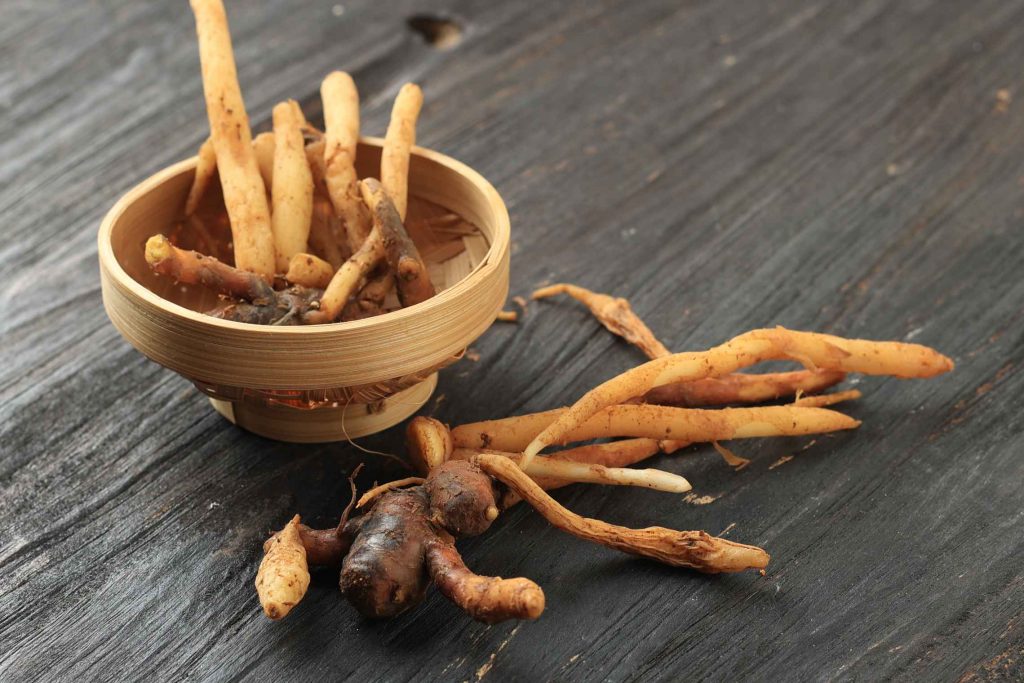
Digestive health remains one of the fastest-growing categories in the global supplement market. As consumers increasingly seek plant-based alternatives to synthetic digestive aids, formulators are turning to traditional herbs with modern application potential. One botanical gaining renewed attention is Boesenbergia rotunda, commonly known as fingerroot. Long used in Southeast Asian culinary and wellness traditions, Boesenbergia rotunda now plays an expanding role in digestive support supplements and enzyme blends.
Botanical Overview
Boesenbergia rotunda belongs to the Zingiberaceae family, the same family as ginger and turmeric. Its rhizome contains bioactive compounds such as flavonoids and essential oils that contribute to its digestive-supportive profile.
From a formulation perspective, the herb offers:
- Compatibility with capsule, powder, and liquid extract formats
- Mild aromatic character suitable for functional foods
- Stability in multi-ingredient digestive blends
These qualities make it adaptable across supplement and nutraceutical applications.
Why Digestive and Enzyme Blends Are Trending
Modern consumers face digestive challenges due to:
- Highly processed diets
- Irregular eating habits
- Stress-related gut imbalance
- Reduced enzyme efficiency with age
As a result, the demand for digestive blends combining enzymes and botanicals continues to rise. Instead of relying solely on isolated enzymes, brands now integrate plant extracts that support digestive comfort and gastrointestinal balance.
Boesenbergia rotunda fits naturally into this strategy.
Role in Digestive Formulations
1. Supporting Digestive Comfort
Traditional use highlights fingerroot’s role in supporting post-meal comfort. In modern supplement design, this translates into formulas aimed at:
- Reducing occasional bloating
- Supporting smooth digestion
- Promoting gastrointestinal ease
Its inclusion enhances the botanical profile of digestive products.
2. Complementing Enzyme Systems
Digestive enzyme blends often include protease, amylase, lipase, and bromelain. Boesenbergia rotunda works well alongside these enzymes by supporting the overall digestive environment.
Formulators may incorporate it to:
- Enhance multi-layer digestive support
- Provide botanical synergy
- Differentiate plant-forward enzyme products
This integration creates a more comprehensive digestive solution.
3. Functional Food and Beverage Applications
Because fingerroot has culinary roots, it transitions effectively into:
- Digestive herbal teas
- Gut-support drink powders
- Functional shots
- Fermented beverage blends
Its mild spice profile complements ginger, turmeric, and lemongrass in gut-health beverages.
Phytochemical Contribution
Boesenbergia rotunda contains flavonoids such as pinostrobin and panduratin A. These compounds contribute to its antioxidant properties, which support:
- Gut lining integrity
- Balanced digestive processes
- Protection against oxidative stress in the gastrointestinal tract
While not positioned as a pharmaceutical treatment, its botanical complexity adds depth to digestive-support systems.
Formulation Considerations
When incorporating Boesenbergia rotunda into digestive and enzyme blends, manufacturers should consider:
- Standardization levels for consistent bioactive content
- Extraction type (water vs. alcohol extracts depending on product format)
- Synergistic herbs such as ginger, peppermint, or fennel
- Target market positioning (daily digestive support vs. occasional relief formulas)
Balancing these elements ensures both performance and market appeal.
Market Advantages for Brands
Adding Boesenbergia rotunda to digestive blends allows brands to:
- Offer culturally rooted, traditional botanicals
- Support clean-label positioning
- Create multi-functional gut formulas
- Appeal to consumers seeking holistic digestive care
As the digestive supplement category becomes more competitive, botanical differentiation becomes increasingly valuable.
Conclusion
Boesenbergia rotunda provides a strategic advantage in digestive and enzyme formulations. Its traditional digestive role, compatibility with enzyme systems, and suitability for modern supplement formats make it a versatile ingredient for gut-health innovation.
As consumer demand for plant-based digestive support continues to grow, this Southeast Asian botanical offers formulators an opportunity to create balanced, synergistic, and market-ready digestive products.
Explore our website to learn more: Click Here