
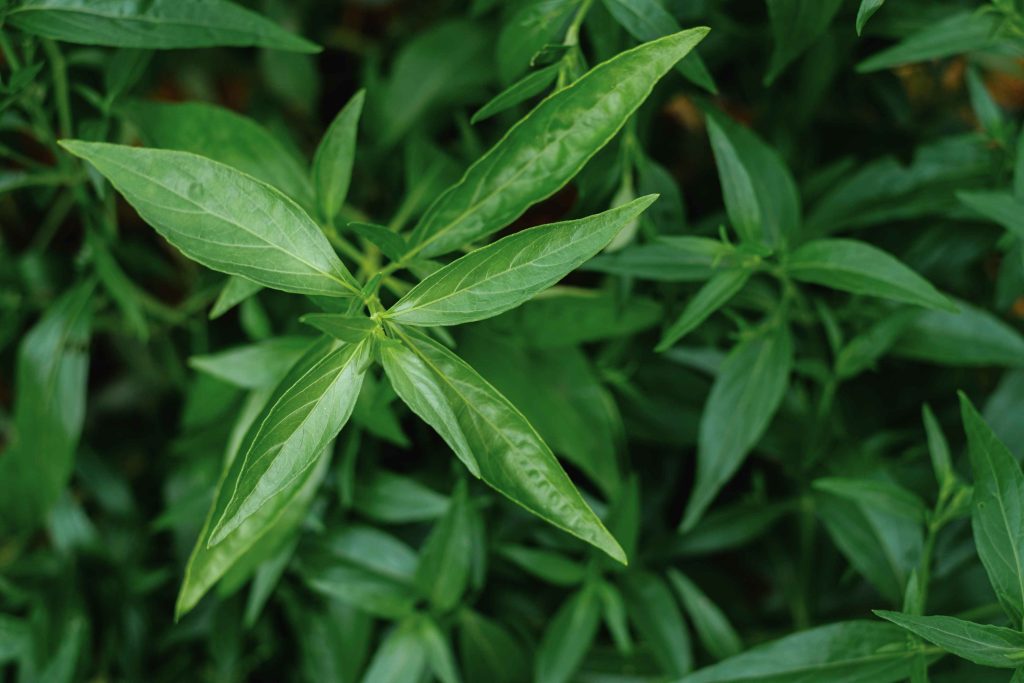
In herbal medicine, bitterness has long been associated with biological potency. Today, as immune-support supplements evolve toward cleaner labels and botanical-driven efficacy, bitter herbs are regaining attention, not as a sensory drawback, but as a functional signal. Among these, Andrographis paniculata stands out as one of the most bitter plants used in modern immune formulations.
Often referred to as the “king of bitters,” Andrographis paniculata brings more than taste intensity. Its bitterness reflects a dense concentration of bioactive compounds that align closely with immune-system support.
Why Bitterness Matters in Immune Formulation
Bitterness is not merely a sensory experience; it often indicates the presence of secondary plant metabolites that interact with physiological pathways. In immune blends, bitter herbs are valued for their ability to:
- Stimulate digestive readiness
- Support nutrient absorption
- Signal strong phytochemical content
These properties explain why traditional immune formulas frequently rely on bitter botanicals, especially during seasonal challenges.
Andrographis Paniculata: A Botanical Overview
Andrographis paniculata is native to South and Southeast Asia and has a long history of use in traditional wellness systems. Modern analysis highlights its richness in diterpenoid lactones, particularly andrographolides, which contribute to both its bitterness and functional profile.
From a formulation standpoint, Andrographis offers:
- High phytochemical density
- Strong sensory identity
- Broad compatibility with immune-support herbs
This combination makes it a cornerstone ingredient in botanical immune blends.
Bioactivity Linked to Bitter Compounds
The bitterness of Andrographis paniculata directly correlates with its concentration of andrographolides. These compounds are commonly studied for their role in:
- Supporting immune signaling pathways
- Promoting antioxidant activity
- Helping maintain immune balance during stress
For formulators, bitterness becomes a quality indicator, signaling sufficient active content rather than over-dilution.
Role in Multi-Herb Immune Blends
1. Backbone Ingredient in Immune Formulas
In complex immune blends, Andrographis often serves as the primary bioactive driver, supported by:
- Antioxidant-rich herbs
- Circulation-support botanicals
- Adaptogenic ingredients
Its potency allows formulators to use smaller quantities while still delivering functional impact.
2. Synergy with Non-Bitter Immune Herbs
To balance sensory challenges, Andrographis is frequently paired with milder botanicals such as:
- Phyllanthus species
- Tinospora cordifolia
- Glycyrrhiza glabra
This creates immune blends that maintain bitterness-linked efficacy without overwhelming the consumer experience.
Managing Bitterness in Product Design
One of the main challenges with Andrographis is its intense bitterness. Successful product development strategies include:
- Encapsulation to reduce direct taste exposure
- Blending with naturally sweet or aromatic botanicals
- Using liquid extracts in controlled-dose formats
Rather than masking bitterness entirely, many premium immune products embrace mild bitterness as a marker of authenticity and strength.
Market Trends Supporting Bitter Immune Herbs
Several industry trends support the continued use of Andrographis in immune blends:
- Increased consumer trust in traditional bitter herbs
- Growth of plant-forward immune supplements
- Interest in sensory honesty over artificial flavoring
- Demand for high-potency botanical extracts
These trends position Andrographis as both a functional and storytelling ingredient.
Conclusion
In immune blend formulation, bitterness should no longer be seen as a limitation. With Andrographis paniculata, bitterness signals bioactivity, potency, and botanical authenticity. Its role in immune blends reflects a broader shift toward formulations that respect traditional wisdom while meeting modern quality standards.
As immune supplements continue to evolve, Andrographis remains a powerful reminder that strong taste often accompanies strong function, and that bitterness, when managed thoughtfully, can become an asset rather than a flaw.
Explore our website to learn more: Click Here