
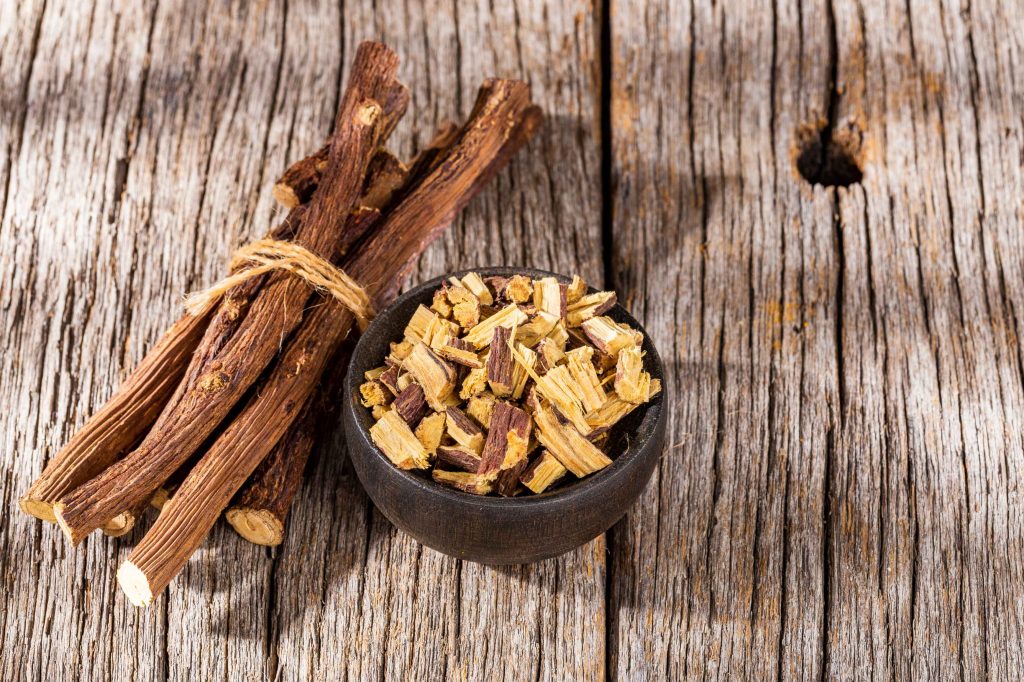
As the global cosmetic industry continues to move toward plant-based and multifunctional ingredients, licorice root (Glycyrrhiza glabra) has secured a strong position in modern skin-care development. Known for its long history in traditional herbal systems, this herb now plays an important role in contemporary cosmetic formulations—particularly in products designed to promote skin brightness, comfort, and overall balance.
From gentle daily serums to advanced dermo-cosmetic solutions, formulators increasingly turn to this herb to support clean-label, naturally inspired product lines.
Why Cosmetic Brands Value Licorice Root
Licorice root offers a rare combination of traditional credibility, consumer familiarity, and formulation flexibility. Cosmetic developers appreciate this botanical for its compatibility with sensitive-skin products and brightening-focused collections.
It aligns especially well with current beauty trends, including:
- Botanical-based skin brightening
- Barrier-support and soothing concepts
- Minimalist and sensitive-skin formulations
- Clean and natural beauty positioning
- Multi-benefit plant extract blends
Its long-standing presence in both herbal medicine and food cultures strengthens consumer trust while providing cosmetic brands with a versatile ingredient story.
Licorice Root in Skin-Brightening Formulations
Skin-brightening products aim to support an even-looking complexion, visual clarity, and radiance. Licorice root has become a preferred botanical in this segment because it integrates well into both daily-use products and targeted treatments.
Cosmetic manufacturers commonly use its extract in:
- Brightening serums and essences
- Tone-balancing creams and lotions
- Facial masks and spot treatments
- Eye-area products
- Multi-active glow formulas
From a formulation standpoint, licorice root offers advantages in color compatibility, odor manageability, and stability, making it suitable for both water-based and emulsion systems.
Formulation considerations
When developing brightening products, formulators typically evaluate:
- Extract concentration and clarity
- Color impact on final formulations
- Stability under light and heat exposure
- Compatibility with vitamin systems and botanical actives
- Texture and sensory integration
Standardized extracts support consistent performance across production batches and simplify regulatory documentation.
Licorice Root in Soothing and Comfort-Oriented Products
Beyond brightness positioning, licorice root has become a core ingredient in products designed for skin comfort and gentle care. Brands often integrate it into solutions aimed at supporting calm-looking, balanced skin.
Common product categories include:
- Sensitive-skin moisturizers
- After-sun and recovery products
- Calming toners and mists
- Barrier-support creams
- Professional-use cosmetic treatments
Licorice root pairs particularly well with botanicals such as centella, aloe, green tea, and chamomile, allowing formulators to design synergistic soothing blends.
Ingredient Formats Used in Cosmetic Development
Licorice root appears in cosmetic supply chains in several formats, each serving different formulation objectives:
- Water-soluble extracts for toners and serums
- Glycerin-based extracts for natural positioning
- Powdered extracts for masks and dry systems
- Oil-dispersible extracts for creams and emulsions
Selecting the appropriate format improves product stability, appearance, and manufacturing efficiency.
Sourcing, Quality, and Industry Standards
As cosmetic brands expand botanical portfolios, ingredient quality and traceability become increasingly important. High-grade licorice root ingredients typically come from suppliers that emphasize:
- Authenticated botanical identification
- Controlled processing conditions
- Cosmetic-grade safety testing
- Consistent extract profiles
- Sustainable agricultural practices
Responsible sourcing not only protects long-term supply chains but also strengthens brand credibility in natural beauty markets.
Conclusion
Licorice root continues to play a valuable role in modern cosmetic formulation, particularly within skin-brightening and soothing product categories. Its versatility, consumer familiarity, and adaptability across formulation systems make it a strategic botanical for brands developing next-generation natural beauty products.
As clean beauty and multifunctional cosmetics continue to evolve, this herb stands out as an ingredient that successfully connects traditional botanical heritage with contemporary skin-care innovation.
Explore our website to learn more: Click Here