
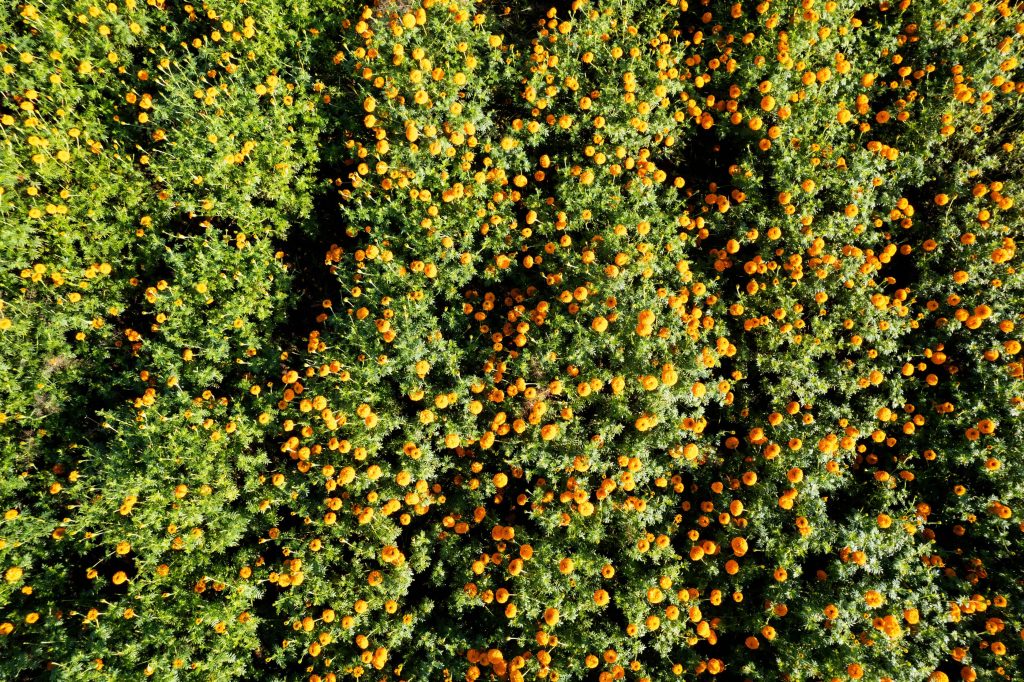
Salacia chinensis is a woody climbing plant traditionally used in Ayurvedic and Asian herbal medicine. Native to India and Southeast Asia, this plant has gained growing attention in modern wellness industries for its role in metabolic health and blood sugar support.
With increasing global interest in plant-based solutions for lifestyle wellness, this herb has become an important ingredient in dietary supplements and functional herbal formulations.
Botanical Overview
- Scientific name: Salacia chinensis L.
- Family: Celastraceae
- Plant parts used: Roots, stems
- Plant type: Woody climber
The plant thrives in tropical forests and is traditionally harvested for its dense roots and stems, which contain concentrated bioactive compounds.
Key Bioactive Compounds
this herb contains several unique phytochemicals, including:
- Salacinol
- Kotalanol
- Mangiferin
- Polyphenols
These compounds are associated with carbohydrate metabolism and antioxidant activity.
Traditional Uses of Salacia chinensis
In traditional Ayurvedic and regional medicine, practitioners used it to:
- support healthy blood sugar balance
- aid digestion
- promote metabolic function
- support overall vitality
Decoctions made from the roots or stems were commonly consumed as part of daily wellness routines.
Health Benefits of Salacia chinensis
1. Blood Sugar and Metabolic Support
This herb is best known for supporting healthy glucose metabolism. Its unique compounds help slow carbohydrate breakdown, contributing to balanced post-meal glucose levels.
2. Digestive Health
Traditional use highlights its ability to support digestion and gut comfort, especially when used in combination with other herbal ingredients.
3. Antioxidant Protection
The polyphenols and mangiferin present in Salacia chinensis help protect cells from oxidative stress and support overall cellular health.
4. Weight Management Support
By influencing carbohydrate metabolism, Salacia chinensis may support weight management as part of a balanced lifestyle.
Applications in Modern Industries
Dietary Supplements
Salacia chinensis extract is commonly used in:
- blood sugar support capsules
- metabolic wellness formulas
- herbal blends for daily health
Functional Foods & Beverages
This herb can be a part of many foods, and beverages such as:
- herbal teas
- functional drinks
- nutraceutical products
Traditional Herbal Formulations
In Asia, this herb remains an important ingredient in classical herbal preparations aimed at long-term metabolic balance.
Safety and Quality Considerations
Salacia chinensis is generally well-tolerated when used appropriately. Manufacturers often use standardized extracts to ensure consistent levels of salacinol and kotalanol for quality assurance.
Sustainability and Ethical Sourcing
Harvesting the roots and stems makes sustainable cultivation and responsible sourcing essential to protect wild populations. Ethical suppliers prioritize controlled harvesting and conservation practices.
Conclusion
Salacia chinensis bridges ancient herbal wisdom with modern metabolic wellness needs. Its unique bioactive compounds, long history of traditional use, and growing scientific interest make it a valuable ingredient in contemporary herbal supplements.
As demand for natural metabolic support continues to rise, this herb remains a trusted botanical with enduring relevance.
Explore our website to learn more: Click Here