
Modern skin faces constant exposure to environmental and physiological stressors. Pollution, ultraviolet radiation, sleep disruption, and psychological stress can all influence skin condition and accelerate visible signs of aging. As a result, skincare and nutricosmetic brands increasingly develop anti-stress formulations designed to support the skin’s natural defense systems. Among the most important botanical compounds in this category are flavonoids. These naturally occurring plant compounds contribute to antioxidant protection, barrier support, and cellular defense mechanisms that are highly relevant in modern skincare science.
Understanding how flavonoids function at a mechanistic level helps formulators create more targeted and effective anti-stress products.
What Are Flavonoids?
Flavonoids are a large group of polyphenolic compounds naturally found in fruits, herbs, flowers, and botanical extracts.
Plants produce flavonoids as part of their own defense systems against environmental stress. In cosmetic and nutraceutical applications, these compounds attract attention for their ability to interact with oxidative pathways and support skin resilience.
Common flavonoid-rich botanical sources include:
- Camellia sinensis
- Centella asiatica
- Hibiscus sabdariffa
- Butea superba
Why Skin Defense Matters in Anti-Stress Formulations
Skin acts as the body’s primary protective interface with the external environment. Daily exposure to oxidative stress can affect:
- Skin barrier integrity
- Moisture retention
- Elasticity and firmness
- Visible redness and uneven tone
- Overall skin resilience
Anti-stress formulations aim to support the skin’s natural defense mechanisms rather than focusing only on cosmetic appearance.
Mechanistic Insights: How Flavonoids Support Skin Defense
1. Antioxidant Activity and Free Radical Neutralization
Flavonoids are widely studied for their antioxidant properties. They help neutralize reactive oxygen species generated by UV exposure, pollution, and environmental stress.
By reducing oxidative pressure, flavonoids help support skin stability and overall resilience.
2. Support for Skin Barrier Integrity
Environmental stress can weaken the skin barrier and increase transepidermal water loss. Certain flavonoids help support lipid balance and barrier function, contributing to improved hydration retention.
This mechanism is particularly relevant in formulations targeting sensitive or stressed skin.
3. Modulation of Stress-Related Skin Responses
Research suggests that flavonoids may help regulate pathways associated with inflammation and environmental stress responses.
This contributes to their role in products designed to calm visible signs of skin fatigue and irritation.
4. Protection Against Environmental Exposure
Airborne pollutants and UV radiation can accelerate visible skin aging. Flavonoid-rich extracts support protective strategies in anti-pollution and urban skincare formulations.
These compounds are commonly included in products positioned around environmental defense.
Applications in Anti-Stress Formulations
Barrier-Support Skincare
Formulators incorporate flavonoid-rich extracts into creams and serums designed to support skin resilience and hydration. These products often target consumers exposed to urban environments or frequent climate stress.
Nutricosmetic Supplements
Beauty-from-within products increasingly include flavonoids to support systemic antioxidant intake and skin wellness. These formulations combine nutritional and cosmetic positioning.
Post-Exposure Recovery Products
After-sun products and recovery-focused skincare frequently use flavonoids to support skin comfort after environmental exposure.
Synergy with Other Skin-Support Ingredients
Flavonoids often work best within broader formulation systems. Common complementary ingredients include:
- Aloe vera
- Curcuma longa
- Vitis vinifera
These combinations help create multi-pathway skin defense formulations.
Formulation Considerations
When working with flavonoids, formulators should evaluate:
- Extract stability
- Oxidation sensitivity
- pH compatibility
- Delivery format
- Standardization of active compounds
Some flavonoids degrade when exposed to heat, light, or oxygen, making stabilization strategies important for product performance.
Market Trends Supporting Flavonoid-Based Products
Several trends continue to drive interest in flavonoid-rich formulations:
- Growth of anti-pollution skincare
- Increased awareness of oxidative stress
- Expansion of nutricosmetic categories
- Consumer preference for plant-derived actives
- Demand for skin barrier support products
Consumers increasingly seek products that support long-term skin resilience rather than short-term cosmetic effects.
Scientific and Formulation Perspective
Current research in cosmetic science and phytochemistry supports the relevance of flavonoids in oxidative stress management and skin protection strategies.
Their multifunctional properties make them highly adaptable across:
- Topical skincare
- Functional beverages
- Beauty supplements
- Hybrid wellness products
This versatility contributes to their continued importance in modern formulation development.
Conclusion
Flavonoids play an important role in skin defense by supporting antioxidant activity, barrier integrity, and environmental stress protection. Their mechanistic relevance makes them highly valuable in anti-stress skincare and nutricosmetic formulations.
As consumers increasingly prioritize resilience, recovery, and long-term skin health, flavonoid-rich botanical ingredients provide formulators with a scientifically relevant and commercially adaptable approach to modern skin defense products.
This article is written from a formulation and phytochemistry perspective to support educational understanding of botanical compounds used in skincare and nutricosmetic development. The content reflects current concepts in cosmetic science, oxidative stress research, and botanical formulation strategy.
FAQs
Flavonoids are naturally occurring plant compounds known for their antioxidant and protective properties. Skincare and supplement formulators use them to support skin defense and environmental resilience.
Flavonoids help neutralize oxidative stress caused by pollution, UV exposure, and environmental factors. They also support skin barrier integrity and overall skin resilience.
Common flavonoid-rich botanical sources include: Camellia sinensis, Centella asiatica, Hibiscus sabdariffa, Butea superba.
Many flavonoid-rich extracts are compatible with sensitive skin formulations because they support antioxidant defense and barrier function. However, final product compatibility depends on the full formulation and concentration used.
Environmental pollutants generate oxidative stress that can affect skin appearance and barrier integrity. Flavonoids support protective mechanisms that help reduce environmental stress impact.
Yes. Formulators use flavonoids in skincare, nutricosmetics, functional beverages, and dietary supplements because of their versatility and broad formulation compatibility.
-
-
 Beauty (Hair & Skin)
(2in1) Enkleia thorelii (Lecomte) Nevling, Mucuna collettii Gel (Premium Grade) 50 g
$22.49 -

-
-
 Beauty (Hair & Skin)
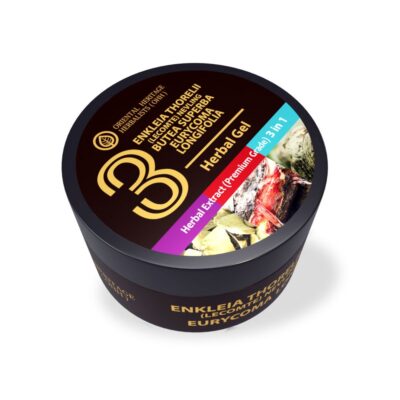
(3in1) Enkleia thorelii (Lecomte) Nervling, Butea superba, Eurycoma longifolia Gel (Premium Grade) 50 g
$22.49 -
-
-

-
-