
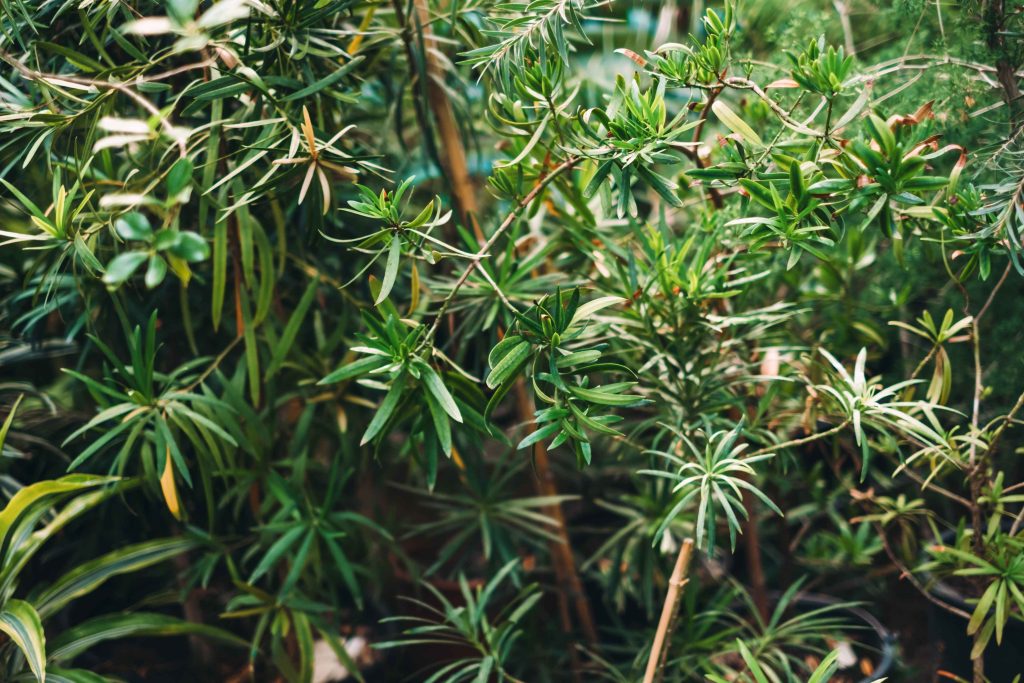
In traditional herbal systems across Southeast Asia, certain botanicals are valued for their role in supporting circulation, vitality, and overall systemic balance. Among these lesser-known species, Dracaena conferta has attracted attention as a potential component of blood-tonic herbal systems.
As global demand grows for plant-based vitality formulas, manufacturers and product developers are increasingly exploring regionally significant botanicals. Dracaena conferta represents one such ingredient with emerging relevance in both traditional practice and modern botanical innovation.
Understanding Dracaena conferta in Blood-Tonic Herbal Systems
In traditional medicine frameworks, “blood-tonic” formulations are designed to:
- Support healthy circulation
- Promote vitality and energy
- Encourage balanced recovery after fatigue
- Contribute to overall systemic nourishment
While terminology differs across cultures, many herbal traditions describe blood tonics as botanicals that help maintain healthy blood function and circulation, often paired with adaptogenic or restorative herbs.
Dracaena conferta fits within this broader category due to its historical use in vitality-focused herbal preparations.
Botanical Overview of Dracaena conferta
Dracaena conferta is a tropical plant native to parts of Southeast Asia. Like other species in the Dracaena genus, it has traditionally been valued for:
- Its resin or plant extracts
- Its supportive role in restorative herbal blends
- Its inclusion in circulation-focused formulas
Although it remains less globally recognized compared to mainstream tonic herbs, its regional ethnobotanical background makes it an interesting candidate for modern product development.
Traditional Applications in Vitality Support
Traditional practitioners have incorporated Dracaena conferta into herbal systems aimed at:
- Supporting post-illness recovery
- Enhancing general vitality
- Assisting in circulatory balance
- Complementing broader tonic formulations
Rather than functioning as a standalone “quick effect” ingredient, it has historically been used synergistically—combined with other botanicals that enhance systemic support.
This synergistic use aligns well with current trends in multi-herb formulations.
Phytochemical Considerations
While research on Dracaena conferta remains limited compared to globally commercialized botanicals, plants within the Dracaena genus are known to contain:
- Phenolic compounds
- Saponins
- Flavonoid-like constituents
These compound classes are frequently associated with antioxidant activity and circulatory support in botanical research contexts. For formulators, this suggests potential relevance in:
- Antioxidant blends
- Recovery-support supplements
- Circulation-focused functional products
Further scientific investigation will help clarify its specific bioactive profile.
Why Blood-Tonic Concepts Are Trending Again
The resurgence of interest in blood-tonic herbal systems is driven by several market factors:
- Increased consumer interest in traditional medicine frameworks
- Growing demand for plant-based vitality solutions
- A shift toward long-term wellness support rather than short-term stimulants
- Preference for botanical blends over synthetic compounds
In this context, Dracaena conferta offers a unique positioning opportunity as a regional specialty botanical with traditional roots.
Formulation Applications
1. Circulatory Support Capsules
Dracaena conferta extract may be incorporated into:
- Multi-herb blood-tonic capsules
- Iron-support companion formulas
- Antioxidant blends targeting systemic vitality
2. Herbal Decoction Powders
In traditional-style powdered blends, it can complement:
- Adaptogenic roots
- Warming botanicals
- Restorative plant extracts
3. Functional Beverages
With appropriate extraction methods, Dracaena conferta could be explored in:
- Herbal tonics
- Recovery beverages
- Traditional-inspired ready-to-drink formulations
Extraction and Quality Considerations
For manufacturers and buyers, quality control is essential when working with lesser-known botanicals.
Key considerations include:
- Proper plant identification
- Controlled sourcing practices
- Standardized extraction methods
- Microbial and heavy metal testing
- Batch consistency documentation
As interest in Dracaena conferta grows, standardized extracts will become increasingly important to ensure reproducibility and regulatory compliance.
Market Positioning Opportunities
Dracaena conferta can be positioned in several strategic ways:
- As a traditional Southeast Asian vitality botanical
- As part of heritage-inspired herbal systems
- As an antioxidant-support component
- As a complementary ingredient in blood-focused formulas
Because it remains relatively underrepresented in global markets, it offers differentiation potential for brands seeking novel botanical ingredients.
Sustainability and Responsible Sourcing
As demand increases for region-specific plants, sustainable harvesting becomes critical. Producers should:
- Encourage cultivated sourcing where possible
- Avoid overharvesting wild populations
- Maintain traceability documentation
- Support local agricultural communities
Responsible sourcing not only protects biodiversity but also strengthens long-term supply stability.
Future Research Potential
Dracaena conferta remains underexplored in modern phytochemical and clinical research. Areas for future study may include:
- Circulatory biomarkers
- Antioxidant capacity evaluation
- Standardization marker identification
- Synergistic effects with established tonic herbs
Scientific validation will help bridge traditional use and modern evidence-based formulation.
Final Thoughts
Dracaena conferta represents a promising addition to blood-tonic herbal systems, especially for brands seeking regionally rooted, traditionally inspired botanicals. Researchers still need to conduct further studies to fully define its bioactive mechanisms, but its historical role in vitality and circulation-focused blends strongly positions it within today’s growing demand for plant-based systemic support.
As the herbal supplement industry continues to evolve, lesser-known species like Dracaena conferta may offer both innovation potential and cultural authenticity, two qualities increasingly valued in modern wellness markets.
Explore our website to learn more: Click Here