Topical wellness products are experiencing strong growth as consumers look for fast-acting, plant-based solutions that support muscle comfort and mobility. Among these products, herbal liniments have gained renewed popularity due to their ability to deliver targeted support directly to the skin.
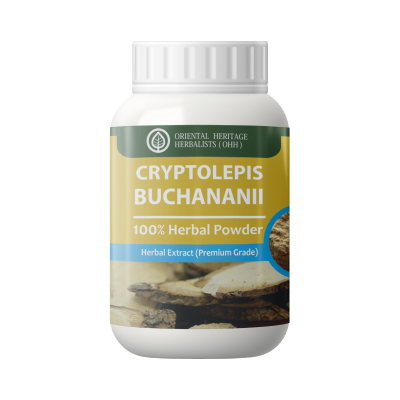
As formulators revisit traditional approaches and refine them with modern techniques, certain botanicals stand out for their relevance in liniment product development. One such ingredient is Cryptolepis buchanani, a climbing plant traditionally used in Southeast Asian herbal systems and now explored in modern topical formulations.
Botanical Overview of Cryptolepis buchanani
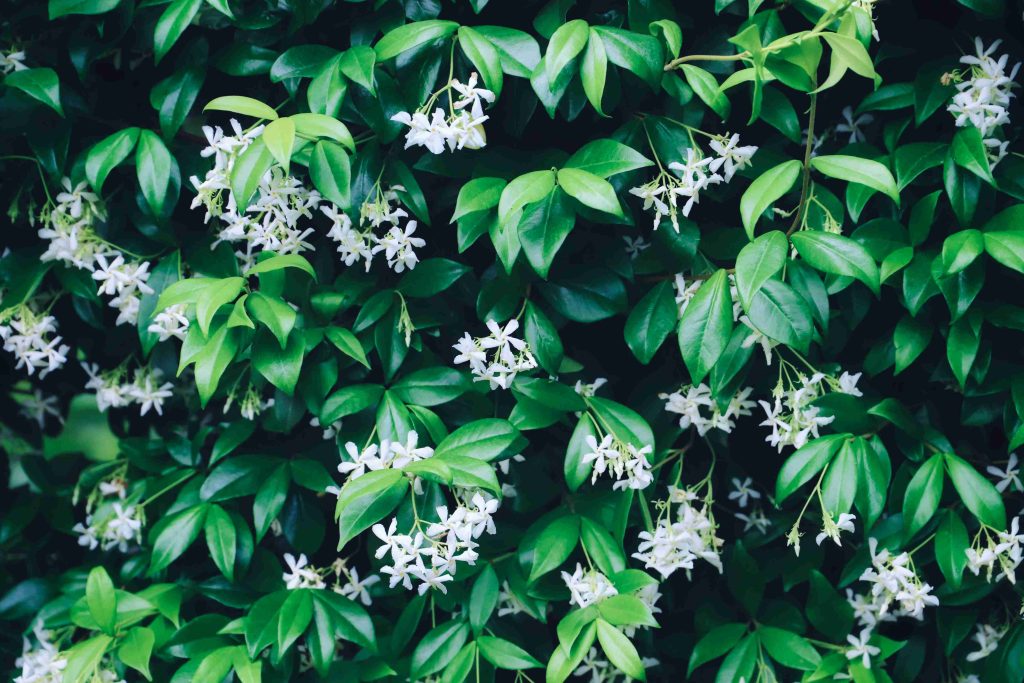
Cryptolepis buchanani is a tropical plant native to Southeast Asia. Traditional practitioners have used its stems and roots in external applications, particularly in herbal compresses and topical preparations.
The plant contains bioactive compounds such as flavonoids and alkaloids, which contribute to its functional properties. These compounds support its inclusion in formulations designed for topical use and physical comfort.
Because of its traditional association with external herbal applications, Cryptolepis buchanani is well suited for liniment development.
Understanding Herbal Liniments
Herbal liniments are liquid or semi-liquid formulations applied directly to the skin. They are typically used to support:
- Muscle comfort after physical activity
- Joint mobility and flexibility
- Localized relaxation and recovery
- Circulation at the application site
Unlike ingestible supplements, liniments focus on localized application, allowing ingredients to deliver targeted effects.
Why Cryptolepis buchanani Fits Liniment Formulations
Cryptolepis buchanani offers several characteristics that align with herbal liniment products.
Its traditional use in external applications supports its positioning in topical formulations. In addition, its phytochemical profile contributes to its relevance in products designed to support physical comfort.
Its compatibility with other herbal ingredients also makes it suitable for multi-component liniment systems.
Applications in Herbal Liniment Products
Traditional-Style Liniments
Formulators use Cryptolepis buchanani in liquid liniments inspired by traditional herbal preparations. These products are typically applied through massage and are designed to support comfort and mobility.
Modern Topical Sprays and Roll-Ons
Modern product formats such as sprays and roll-ons offer convenient alternatives to traditional liniments. Cryptolepis buchanani can be incorporated into these formats while maintaining its functional role.
Herbal Massage Oils
Massage oils designed for relaxation and recovery often include botanical extracts. Cryptolepis buchanani can contribute to formulations that support post-activity recovery and localized comfort.
Synergy with Other Topical Botanicals
Herbal liniments often rely on a combination of warming, cooling, and soothing ingredients. Cryptolepis buchanani works well with:
- Zingiber montanum
- Mentha arvensis
- Capsicum annuum
These combinations help create balanced formulations that deliver both sensory effects and functional support.
Formulation Considerations
When developing herbal liniments with Cryptolepis buchanani, manufacturers should consider extraction method, solvent compatibility, and stability.
Because liniments often contain alcohol or oil bases, ensuring proper integration of botanical extracts is essential for product performance.
Sensory profile, such as warming or cooling effects, should also be carefully balanced.
Market Trends Supporting Herbal Liniments
Several trends are driving renewed interest in liniment products:
- Increased demand for natural topical solutions
- Growth of sports recovery and mobility products
- Preference for traditional herbal formulations
- Expansion of convenient topical formats
Consumers increasingly seek plant-based alternatives for localized comfort and recovery.
Conclusion
Cryptolepis buchanani represents a valuable botanical ingredient for herbal liniment product development due to its traditional use, phytochemical profile, and compatibility with topical formulations. Its role in supporting localized comfort and mobility makes it highly relevant in both traditional and modern product formats.
As demand for natural topical solutions continues to grow, Cryptolepis buchanani offers brands an opportunity to create innovative liniment products that combine traditional knowledge with modern formulation techniques.