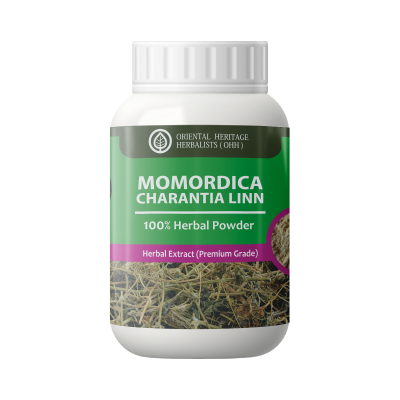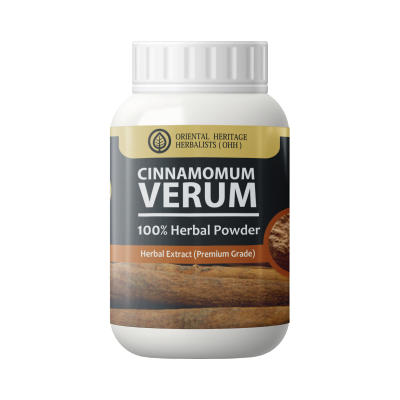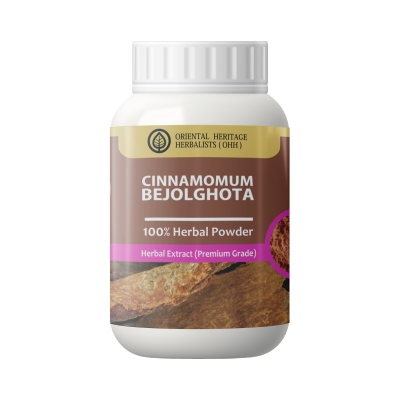

Cinnamon plays a key role in modern metabolic formulations, especially in products targeting digestion, blood sugar balance, and energy metabolism. As the market grows more competitive, formulators must move beyond generic “cinnamon extract” and choose the right species for specific product goals. Two important options, Cinnamomum bejolghota and Cinnamomum verum, offer distinct advantages. Understanding how they differ helps brands design more targeted and effective metabolic blends.
Botanical Overview of the Two Cinnamon Species
Cinnamomum bejolghota
Cinnamomum bejolghota belongs to the cassia group and grows in South and Southeast Asia. It delivers a bold aroma and strong flavor, which makes it suitable for formulations that require intensity and traditional herbal positioning.
Its phytochemical profile supports its use in more robust metabolic blends.
Cinnamomum verum
Cinnamomum verum, often called true cinnamon, offers a milder and slightly sweet flavor. Manufacturers widely use it in both food and supplement products because it integrates easily into different formats.
Its balanced profile makes it ideal for consumer-friendly metabolic formulations.
Why Cinnamon Matters in Metabolic Blends
Formulators include cinnamon in metabolic products to support multiple functions. It fits well into blends designed to:
- Support healthy glucose metabolism
- Enhance digestive efficiency
- Contribute antioxidant compounds
- Improve overall metabolic balance
Because of its versatility, cinnamon often acts as a core ingredient in multi-herb formulations.
Key Differences That Influence Formulation
Flavor and Sensory Impact
Cinnamomum bejolghota delivers a stronger, sharper taste. Formulators choose it when they want a bold profile or a more traditional herbal identity.
Cinnamomum verum provides a smoother and more pleasant flavor. It works better in products that require high consumer acceptance, especially beverages and daily supplements.
Positioning Strategy
Brands often position Cinnamomum bejolghota in formulations that emphasize strength and traditional herbal concepts. In contrast, they use Cinnamomum verum in mainstream wellness products that prioritize taste, accessibility, and daily use.
Versatility Across Product Formats
Cinnamomum verum adapts easily to capsules, powders, and beverages due to its mild profile. On the other sides, Cinnamomum bejolghota requires more careful formulation, especially in flavored products, but it can add depth to complex herbal blends.
Applications in Metabolic Formulations
Blood Sugar Support Products
Formulators use both species in metabolic supplements. They often choose Cinnamomum verum for daily-use products, while they include Cinnamomum bejolghota in more targeted or intensive formulations.
Functional Beverages
Flavor determines success in beverages. Most brands select Cinnamomum verum because it blends smoothly with other ingredients and improves drinkability.
Multi-Herb Metabolic Systems
In complex blends, formulators select the cinnamon species based on the product concept. They may use Cinnamomum bejolghota for stronger herbal positioning or Cinnamomum verum for balanced formulations.
Synergy with Other Metabolic Botanicals
Cinnamon works best when combined with complementary ingredients. Common pairings include:
- Momordica charantia
- Gymnema sylvestre
- Trigonella foenum-graecum
These combinations allow formulators to build multi-pathway metabolic support products.
Formulation Considerations
Formulators should define clear product goals before choosing a cinnamon species. Key factors include flavor profile, dosage strategy, extract quality, and target market.
They must also ensure consistency through proper standardization and sourcing practices.
Market Trends Driving Cinnamon Use
Several trends continue to support cinnamon-based formulations:
- Consumers actively seek metabolic health solutions
- Brands prioritize plant-based ingredients
- Familiar botanicals improve trust and adoption
- Functional foods and beverages continue to grow
Cinnamon remains relevant because it combines tradition, functionality, and consumer recognition.
Conclusion
Cinnamomum bejolghota and Cinnamomum verum both offer strong value in metabolic blends, but they serve different formulation strategies.
Formulators should choose Cinnamomum bejolghota for bold, traditional, and high-impact products. They should choose Cinnamomum verum for smooth, versatile, and consumer-friendly formulations.
By selecting the right cinnamon species, brands can improve product performance, enhance user experience, and strengthen their position in the competitive metabolic health market.