As botanical supplements become more advanced, formulators increasingly face a key decision: should they use isolated compounds or whole plant extracts? This question is especially relevant in metabolic formulations, where efficacy, positioning, and consumer perception all play a role.
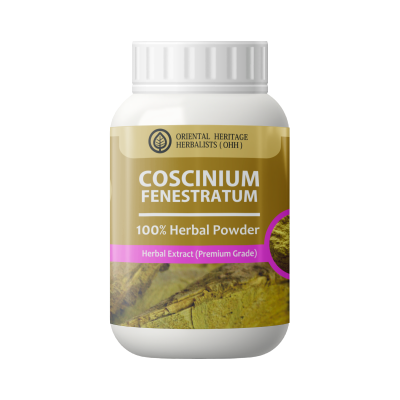
One plant at the center of this discussion is Coscinium fenestratum, a Southeast Asian botanical known as a natural source of berberine. Today, it sits at the intersection of the berberine vs whole extract debate, offering two distinct formulation paths.
Botanical Overview of Coscinium fenestratum
Coscinium fenestratum is a woody climbing plant native to Southeast Asia. Traditional herbal systems have long used its stem in preparations related to metabolic and digestive balance.
The plant contains several bioactive compounds, with berberine being the most widely recognized. However, it also includes other alkaloids and phytochemicals that contribute to its overall profile.
This dual composition makes it an ideal case study for comparing isolated compounds with full-spectrum extracts.
What Is Berberine?
Berberine is a naturally occurring alkaloid found in several plants, including Coscinium fenestratum. Modern formulations often isolate this compound to create standardized, high-potency products.
Formulators value berberine for its:
- Consistent concentration
- Clear functional positioning
- Ease of standardization
Because of these factors, many metabolic supplements focus specifically on berberine content.
What Is a Whole Plant Extract?
A whole extract retains a broader range of compounds from the plant, including minor alkaloids, polyphenols, and other phytochemicals.
Instead of focusing on a single compound, this approach emphasizes synergy between multiple plant constituents. Whole extracts align more closely with traditional herbal practices and holistic formulation strategies.
Berberine vs Whole Extract: Key Differences
Standardization vs Complexity
Berberine isolates provide precise standardization, allowing formulators to control dosage accurately.
Whole extracts, in contrast, offer a more complex profile, which may support broader functional positioning but can be harder to standardize.
Targeted vs Holistic Positioning
Berberine-based products often target specific metabolic pathways with clear, focused messaging.
Whole extracts support a more holistic approach, appealing to consumers who prefer full-spectrum botanical solutions.
Consumer Perception
Some consumers prefer isolated compounds due to their perceived potency and scientific clarity.
Others prefer whole extracts because they align with natural, traditional, and plant-based philosophies.
Applications in Metabolic Formulations
Berberine-Focused Supplements
Formulators commonly use berberine isolates in capsules and tablets designed for targeted metabolic support. These products often emphasize precision and potency.
Whole Extract Herbal Blends
Whole extracts of Coscinium fenestratum are often included in multi-herb formulations. These blends aim to support metabolic balance through multiple pathways.
Hybrid Formulations
Some modern products combine both approaches by using standardized extracts that retain multiple compounds while ensuring a minimum level of berberine.
This strategy balances consistency with botanical complexity.
Synergy with Other Metabolic Botanicals
Both berberine and whole extracts can be combined with other ingredients to enhance formulation depth. Common pairings include:
- Gymnema sylvestre
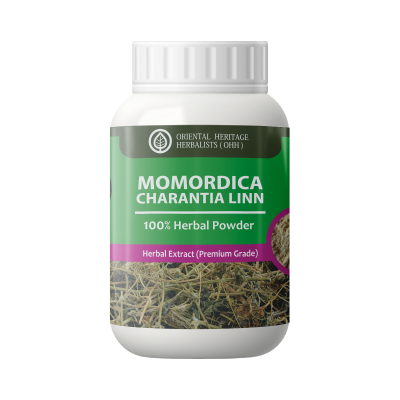
- Momordica charantia
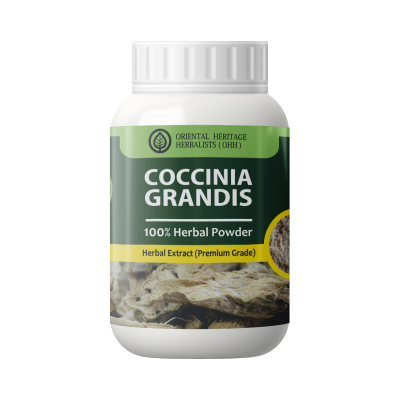
- Coccinia grandis
These combinations allow formulators to create multi-pathway metabolic support systems.
Formulation Considerations
When choosing between berberine and whole extract approaches, formulators should define clear product goals.
Key considerations include:
- Desired level of standardization
- Target consumer preferences
- Product positioning (clinical vs holistic)
- Regulatory requirements
Each approach offers advantages depending on the intended application.
Market Trends Driving the Debate
Several trends contribute to the ongoing discussion:
- Growing demand for clinically positioned ingredients
- Increased interest in traditional and holistic botanicals
- Expansion of personalized nutrition
- Preference for transparency in ingredient sourcing
These trends ensure that both approaches remain relevant in the market.
Conclusion
Coscinium fenestratum highlights the broader debate between isolated compounds and whole plant extracts. Berberine offers precision and consistency, while whole extracts provide complexity and traditional alignment.
Rather than choosing one approach universally, formulators should match the ingredient strategy to the product’s purpose and target audience. By understanding both options, brands can create more effective and differentiated metabolic formulations.