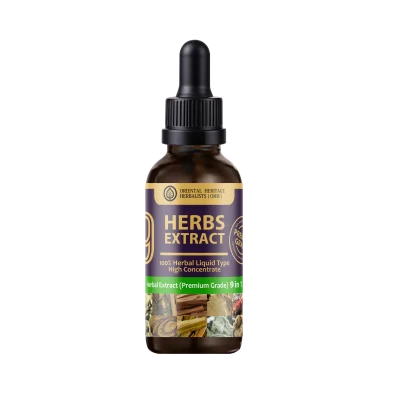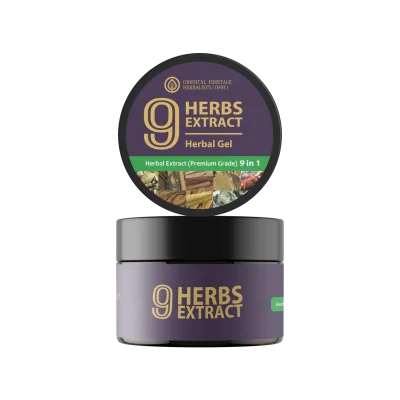

Multi herb formulations have become a major part of the modern supplement and wellness industry. Consumers increasingly expect products to support multiple wellness goals at once, leading brands to combine numerous botanical ingredients into single formulas. However, adding more herbs does not automatically create a better product. Poorly designed combinations can lead to overlapping mechanisms, unstable formulations, excessive complexity, and diluted positioning. Effective formulation depends on understanding the difference between synergy and redundancy.
For formulators, the goal is not simply to include many ingredients. The goal is to create a system where ingredients work together strategically and efficiently.
What Is a Multi-Herb Formula?
Polyherbal formulation refers to a product that combines multiple plant ingredients within a single formulation. Traditional herbal systems have used polyherbal strategies for centuries. Modern product developers now apply similar concepts using:
- Standardized extracts
- Functional ingredients
- Targeted delivery systems
- Scientific formulation models
Multi-herb products appear in categories such as:
- Digestive wellness
- Metabolic support
- Cognitive products
- Skin and beauty supplements
- Stress and recovery formulas
Understanding Synergy in Botanical Formulation
Synergy occurs when multiple ingredients work together to create a broader or more efficient functional outcome than individual components alone.
Synergy may occur through:
- Complementary mechanisms
- Improved absorption
- Broader phytochemical diversity
- Multi-pathway support
A well-designed synergistic formula creates functional balance rather than ingredient competition.
What Is Redundancy in Formulation?
Redundancy occurs when multiple ingredients contribute nearly identical functions without adding meaningful formulation value.
This may lead to:
- Unnecessary complexity
- Higher production cost
- Larger capsule size
- Ingredient overlap
- Weak product differentiation
Redundancy can also dilute the clarity of the product concept.
Why More Ingredients Are Not Always Better
Some brands assume larger ingredient lists improve consumer perception. However, experienced formulators often prioritize:
- Functional efficiency
- Mechanistic balance
- Ingredient compatibility
- Dose relevance
- Clear positioning strategy
A focused formula with strategic ingredient interactions may outperform a product containing excessive overlap.
How Formulators Build Synergistic Systems
1. Define the Primary Product Goal
Every successful formulation starts with a clear objective.
Examples include:
- Digestive comfort
- Metabolic balance
- Stress resilience
- Skin defense support
Without a defined goal, formulas often become unfocused.
2. Identify Core Functional Pathways
Formulators then select pathways relevant to the target outcome.
For example, a digestive formula may involve:
- Digestive signaling
- Enzyme support
- Gut comfort
- Motility support
Each herb should contribute a distinct role within the system.
3. Avoid Mechanistic Overlap
Using multiple herbs with identical functional roles may increase redundancy rather than synergy.
For example, combining too many strong bitter botanicals may create excessive sensory intensity without improving formulation efficiency.
Balanced diversity usually performs better than repetitive stacking.
4. Consider Phytochemical Diversity
Different botanical groups contribute different phytochemicals, including:
- Polyphenols
- Flavonoids
- Alkaloids
- Terpenes
- Saponins
A broader phytochemical profile may support wider functional coverage.
Examples of Synergistic Botanical Pairing
Digestive Formulation Example
A digestive support formula may combine:
- Zingiber officinale for digestive comfort
- Gentiana lutea for bitter signaling support
- Foeniculum vulgare for aromatic balance
Each ingredient contributes a distinct role.
Stress and Recovery Formula Example
A stress-support formulation may combine:
- Withania somnifera
- Rhodiola rosea
- Camellia sinensis
This creates broader adaptogenic and antioxidant support without complete mechanistic overlap.
Factors Beyond Ingredient Function
Successful formulation also depends on:
- Bioavailability
- Solubility compatibility
- Stability
- Taste profile
- Manufacturing constraints
- Regulatory considerations
Some combinations look effective on paper but create manufacturing or stability problems during production.
The Role of Dosage in Multi-Herb Design
A common mistake involves underdosing multiple ingredients to fit marketing claims.
Including many herbs at ineffective levels may reduce overall product quality.
Formulators should prioritize:
- Functionally relevant dosing
- Practical serving size
- Clear ingredient purpose
A smaller ingredient list with appropriate dosing often creates a stronger product.
Market Trends Influencing Multi-Herb Formulas
Several industry trends continue shaping botanical formulation strategy:
- Growth of multifunctional wellness products
- Increased consumer education
- Demand for clean-label formulations
- Interest in traditional botanical systems
- Expansion of clinically informed herbal products
Consumers increasingly evaluate formulation logic rather than ingredient quantity alone.
Balancing Traditional Knowledge and Modern Science
Traditional systems often used complex herbal combinations based on holistic principles.
Modern formulators now combine:
- Traditional formulation concepts
- Phytochemical analysis
- Mechanistic research
- Standardization technology
This hybrid approach supports more precise product development.
Conclusion
Designing effective multi-herb formulations requires more than combining popular ingredients. Successful products balance synergy, phytochemical diversity, dosage relevance, and formulation efficiency. Synergy occurs when ingredients contribute complementary functions within a structured system. Redundancy occurs when overlapping ingredients increase complexity without improving performance.
By understanding this distinction, formulators can create more focused, effective, and commercially competitive botanical products.
FAQs
Combination of multiple botanical ingredients within one product to support broader or more targeted wellness goals.
Synergy refers to complementary interactions where multiple ingredients work together more effectively than individual components alone.
Redundancy occurs when several ingredients perform nearly identical roles without adding meaningful functional value to the formulation.
Some products contain overlapping ingredients, low dosages, poor ingredient compatibility, or unclear formulation strategies that reduce effectiveness.
No. A focused formulation with strategically selected ingredients and appropriate dosing often performs better than an excessively complex formula.
Different plants contribute different phytochemicals that may support broader formulation coverage and more balanced ingredient interactions.