Formulators often focus on active compounds, but product performance depends just as much on how those compounds are absorbed. Many botanical ingredients contain naturally occurring compounds that influence this process. Among them, saponins play a significant role in bioavailability herbal supplements. Understanding how saponins affect absorption helps product developers design more effective supplements without relying only on higher dosages.
What Are Saponins
Saponins are plant-derived glycosides with a unique structure. Each molecule contains a water-soluble sugar chain and a lipid-interacting aglycone. This structure gives saponins surface-active properties.
Because of this dual nature, saponins can interact with both aqueous and lipid environments inside the digestive system. This property explains their relevance in supplement formulation.
Common botanical sources include:
- Panax ginseng
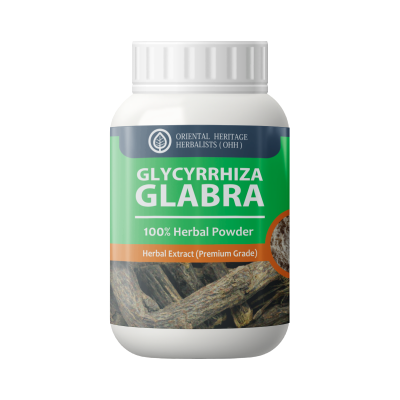
- Glycyrrhiza glabra
- Tribulus terrestris
Why Bioavailability Matters in Herbal Supplements
Bioavailability refers to the proportion of a compound that enters circulation after ingestion. A product can contain a high amount of active compounds but still perform poorly if absorption is limited.
Several factors affect bioavailability:
- Solubility in the digestive environment
- Stability during digestion
- Transport across intestinal membranes
- Interaction with other compounds
Improving bioavailability often leads to better product performance than increasing dosage alone.
Mechanisms: How Saponins Influence Absorption
1. Improvement of Solubility
Saponins can form micelle-like structures in the digestive tract. These structures help disperse lipophilic compounds in aqueous environments.
This improves the likelihood that poorly soluble compounds remain available for absorption.
2. Interaction with Intestinal Membranes
Saponins can interact with lipid components of intestinal cell membranes. This interaction may support permeability under controlled conditions.
This mechanism contributes to improved uptake of certain compounds.
3. Emulsification of Lipophilic Compounds
Due to their surface-active nature, saponins assist in emulsifying fats and fat-soluble compounds. This enhances the dispersion of these compounds in the gastrointestinal tract.
This effect is particularly relevant for fat-soluble phytochemicals.
4. Support of Transport Processes
Saponins may influence how compounds move across the intestinal barrier. While this effect depends on the compound and concentration, it contributes to overall absorption efficiency.
Formulation Strategies Using Saponins
Use Saponins as Functional Components
Instead of treating saponins only as active ingredients, formulators can use them to support the delivery of other compounds.
Combine with Low-Solubility Ingredients
Saponins are especially useful in formulations containing lipophilic compounds or ingredients with poor dispersion.
Control Dosage Carefully
Excessive levels may affect tolerability. Balanced inclusion ensures functional benefits without compromising user experience.
Select Appropriate Delivery Formats
Different formats influence how saponins behave:
- Capsules allow controlled dosing
- Liquids improve dispersion but require stability control
- Powders depend on proper reconstitution
The format should match both ingredient behavior and product positioning.
Quality and Standardization Considerations
Not all saponin-containing extracts are equivalent. Product developers should evaluate:
- Total saponin content
- Source plant and extraction method
- Consistency between batches
- Compatibility with other ingredients
Standardization improves reliability and supports consistent product performance.
Safety Considerations
Saponins are commonly used in both food and supplements. When used within appropriate levels, they are generally well tolerated.
However, high concentrations may cause gastrointestinal discomfort in some individuals. Proper formulation and dosage control remain essential.
Evidence and Scientific Context
Research in pharmacognosy and food science has shown that saponins:
- Improve dispersion of lipophilic compounds
- Interact with biological membranes
- Support emulsification processes
These properties explain their relevance in improving absorption within certain formulations.
Common Formulation Mistakes
- Focusing only on active compounds and ignoring delivery
- Using saponins without understanding concentration effects
- Combining multiple surfactant-like ingredients without balance
- Failing to standardize extract quality
Avoiding these issues improves both product performance and consistency.
Conclusion
Saponins contribute to herbal supplement performance by influencing solubility, dispersion, and absorption. Their role extends beyond traditional classification as active compounds.
When formulators apply saponins strategically, they can improve bioavailability and overall formulation efficiency. This approach supports the development of more effective and reliable herbal products.
This article is written from a formulation and ingredient science perspective. It focuses on practical application in supplement development, supported by principles from phytochemistry and nutraceutical formulation.
FAQs
Saponins are naturally occurring plant compounds with amphiphilic properties, meaning they interact with both water and lipids. In herbal supplements, manufacturers use them not only for their intrinsic activity but also for their ability to influence solubility and absorption of other compounds.
Saponins support absorption through multiple mechanisms, including improving dispersion of lipophilic compounds, forming micelle-like structures, and interacting with intestinal membranes. These effects can enhance the amount of active compounds available for uptake without increasing dosage.
Common saponin-rich botanicals used in supplements include: Panax ginseng, Glycyrrhiza glabra, Tribulus terrestris. These ingredients often serve dual roles as both functional actives and formulation enhancers.
Saponins are widely used in food and dietary supplements and are generally considered safe at appropriate intake levels. However, excessive amounts may lead to gastrointestinal irritation in some individuals. Product developers should define dosage based on extract concentration and intended use.
Saponins can contribute to improved absorption, but they do not fully replace other strategies such as lipid-based delivery systems, fermentation, or encapsulation technologies. Many advanced formulations combine multiple approaches to achieve consistent results.
No. Saponins tend to improve the absorption of lipophilic or poorly soluble compounds more effectively than highly water-soluble ones. Their impact depends on the physicochemical properties of the co-formulated ingredients.