As the botanical industry becomes increasingly competitive, brands are looking beyond well-known ingredients to discover rare and underexplored plants that offer new formulation opportunities. This shift toward botanical innovation is driven by the need for differentiation, unique storytelling, and advanced functional positioning.
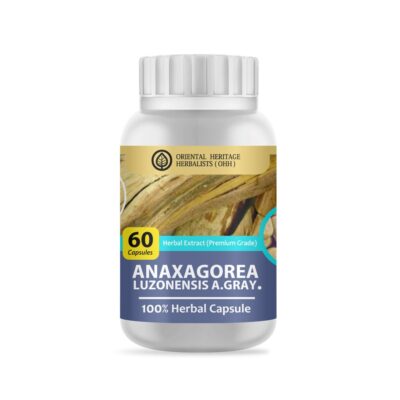
Among these emerging ingredients, Anaxagorea luzonensis is gaining attention as a rare botanical with potential relevance in modern wellness, cosmetic, and nutraceutical applications.
Botanical Overview of Anaxagorea luzonensis
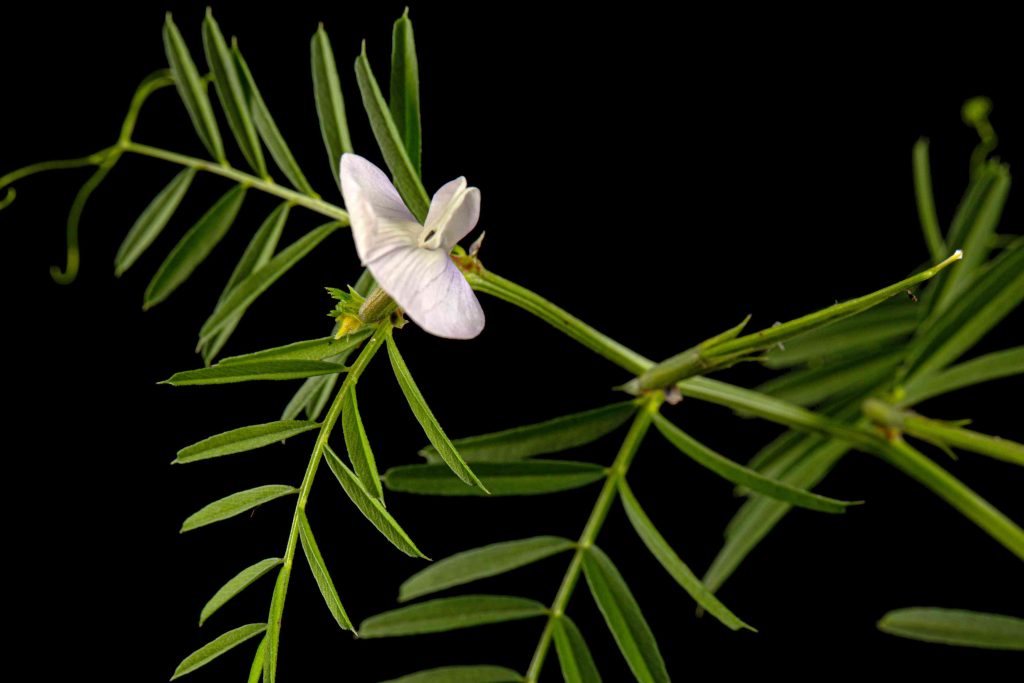
Anaxagorea luzonensis is a plant native to Southeast Asia, particularly found in tropical forest ecosystems. As part of a lesser-known genus, it remains relatively underutilized compared to mainstream herbal ingredients.
Traditional knowledge around this plant is limited but suggests its use in regional herbal practices. From a modern perspective, its phytochemical composition, including polyphenols and other bioactive compounds, makes it an interesting candidate for further research.
Because of its rarity, Anaxagorea luzonensis offers a unique positioning opportunity in product development.
The Rise of Rare Botanical Innovation
The demand for new botanical ingredients is increasing across multiple industries, including:
- Skincare and cosmetics
- Dietary supplements
- Functional foods and beverages
- Herbal wellness products
Brands are actively searching for ingredients that provide:
- Unique differentiation
- Strong storytelling potential
- Scientific exploration opportunities
- Market exclusivity
Rare botanicals allow companies to stand out in a crowded market while offering something new to consumers.
Why Anaxagorea luzonensis Is Gaining Attention
Anaxagorea luzonensis aligns well with innovation-driven product development for several reasons.
First, its rarity makes it highly appealing for brands seeking exclusivity. Second, its tropical origin adds value in terms of natural storytelling and sourcing narratives. Third, its phytochemical profile suggests potential for antioxidant and wellness-related applications.
These characteristics position it as a next-generation botanical ingredient for forward-thinking brands.
Applications in Modern Formulations
Premium Skincare Products
High-end cosmetic formulations often feature rare botanicals, and Anaxagorea luzonensis may be used in products positioned for antioxidant support and skin protection.
Its exclusivity enhances brand positioning in premium skincare lines.
Functional Wellness Supplements
In the supplement industry, emerging botanicals offer opportunities to create innovative blends. Anaxagorea luzonensis can be included in formulations that emphasize novelty and advanced botanical research.
Botanical Innovation Blends
Brands increasingly develop formulations that highlight unique combinations of rare ingredients. Anaxagorea luzonensis can serve as a centerpiece in such blends, reinforcing product differentiation.
Synergy with Other Emerging Botanicals
Innovation-focused formulations often combine multiple unique ingredients. Anaxagorea luzonensis may be paired with botanicals such as:
- Murdannia loriformis
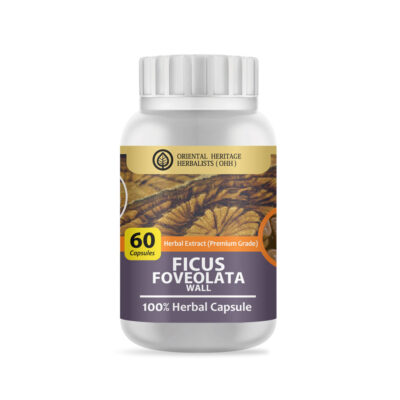
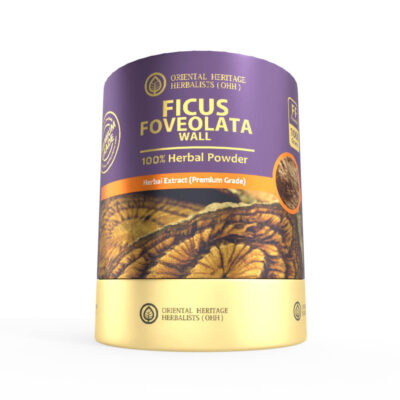
- Ficus foveolata
- Hesperethusa crenulata
These combinations help create distinctive products that stand out in the market.
Formulation Considerations
When working with rare botanicals like Anaxagorea luzonensis, manufacturers should prioritize sourcing transparency, sustainability, and quality control.
Because research on such plants may be limited, careful formulation and responsible marketing are essential. Standardization and documentation help ensure product reliability.
Market Trends Supporting Rare Botanicals
Several trends are driving interest in rare botanical ingredients:
- Demand for unique and premium products
- Growth of clean and natural formulations
- Increased consumer curiosity about new ingredients
- Expansion of botanical research and innovation
Consumers increasingly value products that offer both novelty and authenticity.
Sustainability and Ethical Sourcing
As interest in rare botanicals grows, sustainability becomes a critical consideration. Responsible sourcing practices help protect natural ecosystems and ensure long-term availability.
Brands that emphasize ethical sourcing can strengthen consumer trust and align with global sustainability trends.
Conclusion
Anaxagorea luzonensis represents a promising frontier in rare botanical innovation. Its unique positioning, emerging phytochemical profile, and potential applications across multiple industries make it an attractive ingredient for modern product development.
As the demand for differentiation and innovation continues to grow, Anaxagorea luzonensis offers brands an opportunity to explore new directions in botanical formulation while creating distinctive, forward-looking products.