
Urban lifestyles expose the skin to increasing levels of environmental stress, including air pollution, UV radiation, and particulate matter. These factors can contribute to oxidative stress, premature aging, and disruption of the skin barrier. As a result, modern skincare formulations are evolving to include anti-pollution systems that help protect and maintain skin resilience.
Among Southeast Asian botanicals gaining attention in this category is Acanthus ebracteatus, a plant traditionally used in herbal wellness practices and now explored in anti-pollution skincare formulations.
Botanical Overview of Acanthus ebracteatus
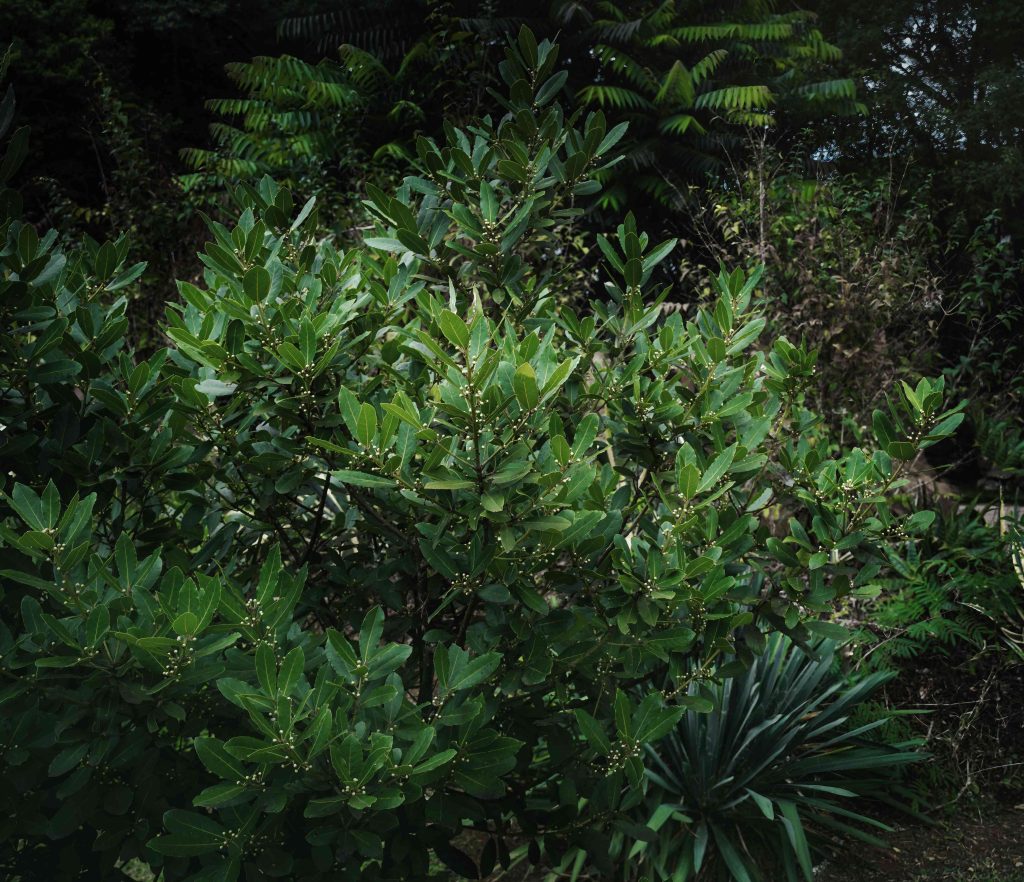
Acanthus ebracteatus is a coastal plant commonly found in mangrove ecosystems across Southeast Asia. Traditionally, herbal practitioners have used the plant in preparations associated with skin and internal wellness.
The plant contains bioactive compounds such as flavonoids and phenolic constituents, which contribute to its antioxidant properties. These compounds support its positioning in skincare formulations aimed at protecting the skin from environmental stress.
Because of its natural resilience in harsh coastal environments, Acanthus ebracteatus is particularly interesting for modern skin protection strategies.
Understanding Anti-Pollution Skincare
Anti-pollution skincare focuses on protecting the skin from external environmental factors that can affect its health and appearance. These factors may include:
- Airborne pollutants and particulate matter
- UV exposure
- Free radical generation
- Environmental toxins
Modern formulations aim to support the skin by strengthening its barrier, reducing oxidative stress, and maintaining overall balance.
Why Acanthus ebracteatus Fits Anti-Pollution Formulations
Acanthus ebracteatus offers several qualities that align with anti-pollution skincare systems.
Its antioxidant profile helps support the skin’s defense against oxidative stress caused by environmental exposure. In addition, its traditional use in skin-related applications reinforces its relevance in cosmetic formulations.
Its ability to thrive in coastal and high-stress environments also contributes to its positioning as a protective botanical ingredient.
Applications in Anti-Pollution Skincare Products
Protective Skincare Formulations
Formulators incorporate Acanthus ebracteatus into creams, serums, and lotions designed to support daily skin protection. These products aim to help maintain skin balance in urban environments.
Such formulations are often positioned as part of daily skincare routines.
Barrier-Support Products
Skin barrier integrity is essential for protection against pollutants. Acanthus ebracteatus may be included in products designed to support barrier function and reduce the impact of environmental stress.
These products are particularly relevant for sensitive or stressed skin.
Antioxidant Skincare Blends
Acanthus ebracteatus can also be used in formulations that emphasize antioxidant support. These products help protect the skin from free radical damage and support long-term skin health.
Synergy with Other Anti-Pollution Botanicals
Anti-pollution formulations often combine multiple ingredients for enhanced protection. Acanthus ebracteatus works well with botanicals such as:
- Camellia sinensis
- Centella asiatica
- Houttuynia cordata
These combinations help create comprehensive skincare systems that support antioxidant defense and skin resilience.
Formulation Considerations
When developing skincare products with Acanthus ebracteatus, manufacturers should consider extract quality, stability, and compatibility with other cosmetic ingredients.
Proper formulation helps preserve the plant’s active compounds and ensures consistent product performance.
Market Trends Supporting Anti-Pollution Skincare
Several trends are driving growth in this category:
- Increased awareness of pollution-related skin damage
- Rising demand for protective skincare products
- Growth of clean and plant-based cosmetics
- Expansion of urban skincare solutions
Consumers increasingly seek products that help protect their skin from daily environmental exposure.
Conclusion
Acanthus ebracteatus represents a promising botanical ingredient for anti-pollution skincare systems due to its antioxidant properties, traditional use, and environmental resilience. Its compatibility with modern formulations makes it a valuable addition to products designed for skin protection and balance.
As urban environments continue to influence skincare needs, Acanthus ebracteatus offers brands an opportunity to develop innovative, plant-based solutions that support healthy, resilient skin in the face of environmental stress.
Explore our website to learn more: Click Here